By Momodou Gagigo
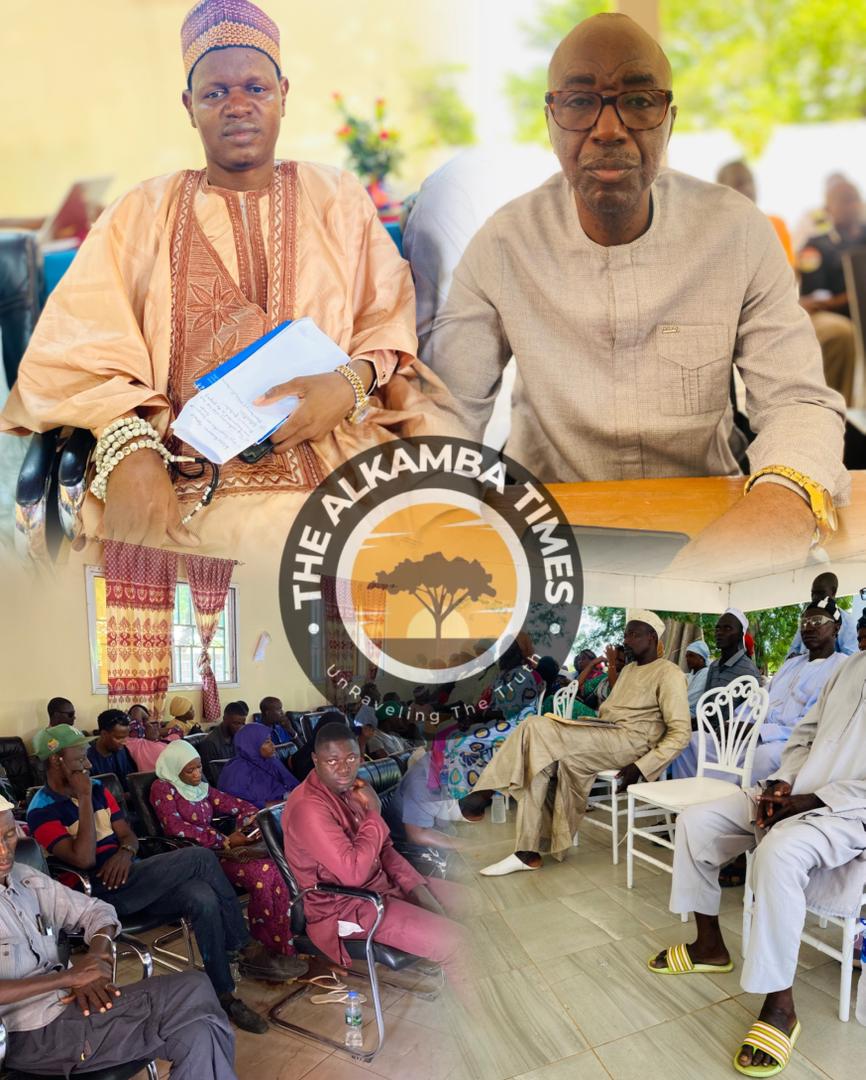
In a concerted push to deepen transparency, accountability, and participatory governance, the Governors’ Offices of the Upper River Region (URR) and Central River Region (CRR), with funding support from ActionAid International The Gambia, have successfully convened high-level Technical Advisory Committee (TAC) meetings and open Bantaba forums. The engagements brought together government officials, development partners, traditional leaders, and ordinary citizens to review performance, address local priorities, and ensure that development initiatives remain responsive to community needs.
The events, held recently in Basse for URR and Janjanbureh for CRR, underscored a growing commitment to inclusive decision-making in rural Gambia. Participants examined institutional achievements, confronted persistent challenges, and created direct channels for citizens to question and advise regional authorities on issues ranging from agriculture and food security to public service delivery.
In the Upper River Region, the TAC meeting opened with a strong call for discipline and focus. Regional Director of Agriculture Samba John reminded participants of the value of time management, stating that efficient discussions were critical to producing tangible results. “We must be mindful of time because effective management of our discussions will enable us to accomplish our objectives,” he said.
Saiba T. Susso, Manager of ActionAid’s Local Rice Project 8 (LRP8), framed the gathering as far more than a routine coordination exercise. “We don’t see this as just a support meeting. It is an accountability platform where institutions report back to the people they serve, for the best interest of the country,” Susso emphasized. His remarks highlighted the shift towards viewing such forums as mechanisms for genuine public oversight rather than mere formalities.
Governor Samba Bah described the meeting as a vital opportunity for institutions to renew their commitment to serving both the region and the nation. He noted that the detailed presentations would provide communities with clear benchmarks for measuring institutional performance, thereby fostering greater public accountability. Governor Bah expressed gratitude to development partners and project implementers for their sustained support and commended the security services for upholding peace and stability across URR.
The Governor urged all institutions to candidly present both successes and obstacles. “Honest dialogue will enable stakeholders to identify practical solutions to development issues collectively,” he said, encouraging openness as a foundation for collaborative problem-solving.
Meanwhile, in the Central River Region, the Governor’s Office transformed the traditional Bantaba concept into a dynamic accountability forum at its Janjanbureh headquarters. The open platform allowed community members to engage directly with officials on pressing local concerns, including agriculture, access to public services, and broader development priorities.
Deputy Governor Sainey Mbye hailed the Bantaba as an essential bridge between government and citizens. “This forum allows communities to speak openly about the challenges they face. I urge everyone to make the best use of this platform because your contributions will not only improve your own well-being but also contribute to the development of The Gambia,” he told participants.
Saiba T. Susso again took the floor, providing concrete details on the impact of the Local Rice Project 8. He disclosed that the initiative has injected D76.5 million into efforts to uplift farmers across the region. “Our investment is aimed at improving the living conditions of farmers. By supporting agricultural production, we are also strengthening food security and improving rural livelihoods,” Susso explained.
Governor Ousman Bah reinforced the enduring relevance of the Bantaba tradition in modern governance. “The Bantaba is not new to this region. It remains one of the most effective platforms through which the government listens directly to the people. The concerns raised here will serve as recommendations to guide our planning and decision-making as we work towards the development of the Central River Region and the country,” he affirmed.
Governor Bah also issued a stern warning against the illegal cross-border sale of fertilizer, a practice he said undermines national agricultural productivity. “If you become aware of fertilizer being sold across the border, report it immediately,” he cautioned. He further encouraged participants to disseminate the knowledge gained during the forum and to share success stories from development projects to motivate wider community involvement.
Across both regions, women, youth, elders, institutional heads, and development partners consistently stressed the centrality of local voices in shaping development agendas. The forums concluded with firm commitments from all stakeholders to sustain collaboration, uphold transparency, and accelerate inclusive, sustainable progress in URR and CRR.