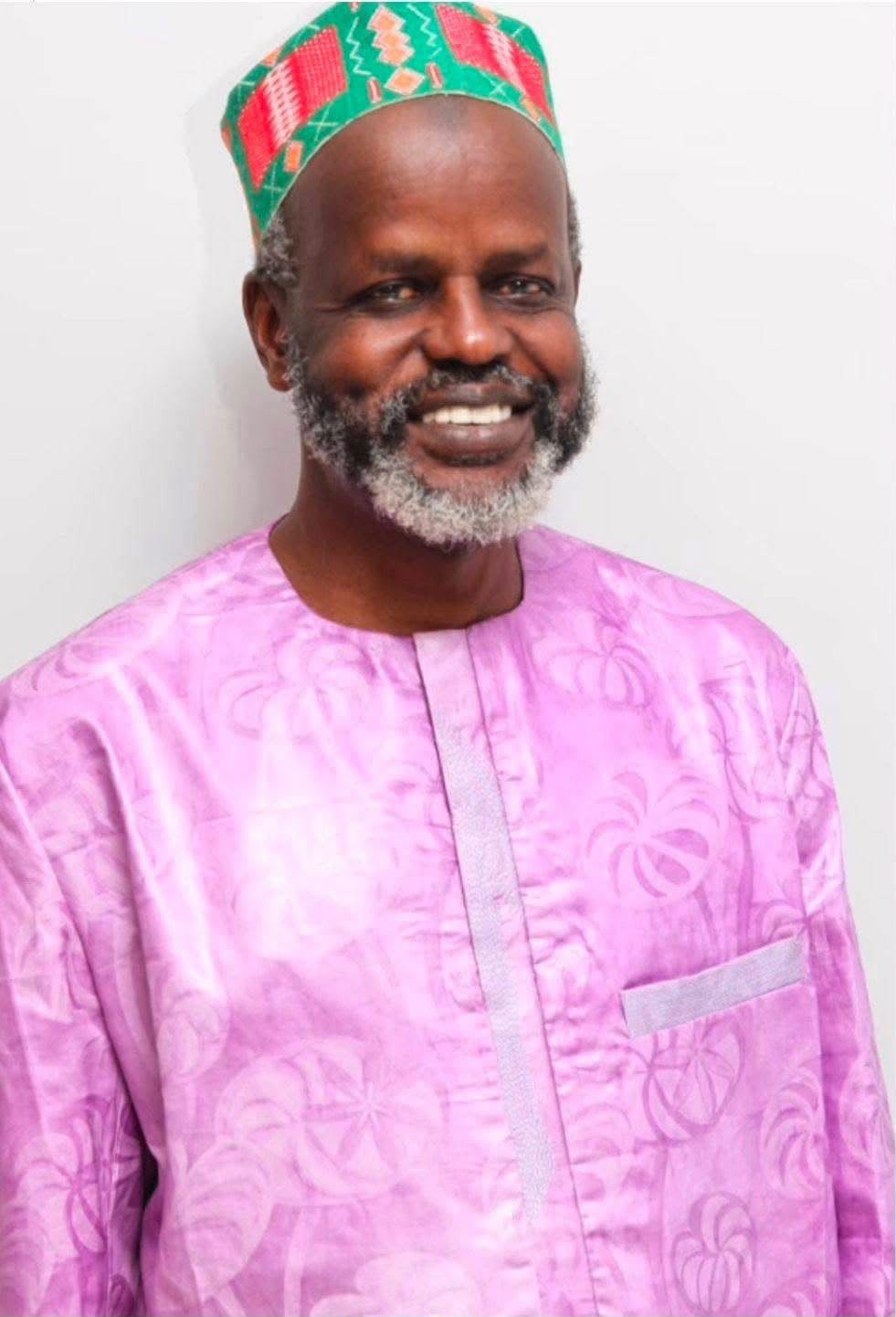
Imam Baba Leigh, a prominent religious leader and commissioner at the National Human Rights Commission of The Gambia (NHRC), is facing intense public condemnation after remarks targeting the Mandinka community, the country’s largest ethnic group, were captured on a hot microphone during a live TikTok broadcast.
In the clip circulating widely on social media, Leigh was overheard saying of the Mandinkas: “It’s the Mandinkas. I don’t know what’s wrong with them; they are angry.” The comments, delivered in a context that many interpreted as stereotyping an entire ethnic group, have ignited fury across Gambian society at a time of heightened political tension ahead of national elections.
Mandinkas, also known as Sosseh in some local parlance, form the biggest tribe in The Gambia and have long played a central role in the nation’s social, political, and cultural life. Critics say Leigh’s words amount to tribalism that undermines national unity and the very principles of human rights and religious leadership he is supposed to uphold.
Hundreds of Gambians from all walks of life have taken to social media platforms to demand his resignation from the NHRC and a full public apology. The backlash cuts across ethnic lines, with many warning that such rhetoric risks deepening divisions in an already charged pre-election atmosphere.
Kexx Sanneh, a prominent court reporter and activist, described the comments as unacceptable. “An imam and a human rights commissioner saying (Mandinkas) Sossehyee Lulen Dal Deng Merl (angry) based on their ethnicity. That is tribalism. Full stop,” Sanneh wrote. “You hold positions of trust. An imam speaks to faith. A commissioner speaks for human rights. When you reduce yourself to tribal comment, you betray two titles/roles you hold. … This kind of speech poisons public discourse. It divides. It brings hate and unfit conduct from someone who should know better. Ethnic comments have no place in the country.”
Alagie Saidy Barrow, who previously defended Leigh against attacks on his religious views six years ago, said he could no longer overlook the latest remarks. “After hearing what he said about Mandinkas today, I cannot pretend it does not matter. An imam should build bridges, not single out a people and brand them as angry. … Few things trouble me more than tribal prejudice and ignorance. … Given Imam Baba Leigh’s role as both an imam and a commissioner at the Human Rights Commission, should he complain if any Mandinka feels uncomfortable around him? I hope he reflects on that deeply and honestly.”
Saidy Barrow also criticized the silence of some public figures who routinely preach unity: “Your silence only reveals you. … The danger is real: a tribal divide is growing in The Gambia, perpetuated insidiously by so-called educated people.”
Hatab Fadera, a Gambian in the US diaspora, called the remarks “beneath his social status as an Imam and a National Human Rights Commissioner.” He added: “Attempting to ridicule and demonize any tribe is unacceptable, especially during a high-stakes political season. The Imam must unreservedly apologize for his repulsive remarks.”
Journalist Sainey Marenah expressed deep disappointment. “As an Imam, he is expected to embody the values of justice, unity, and brotherhood that Islam teaches. As a National Human Rights Commissioner, he is charged with defending the dignity and equality of all Gambians, not undermining them along ethnic lines. … Imam Baba Leigh owes the Mandinka community, and the entire nation, a clear and public apology.”
University lecturer Morro Krubally was scathing, arguing that Leigh had “lost the moral ground” to lead prayers. “This is what happens when you hide behind religion to mask hypocrisy. … He deserves to be thrown to the public dustbin of shame. … Baba Leigh, your rhetorical and damaging tribal statements do nothing but add fuel to the fire.
The group Mandinka Legacy issued a formal statement condemning the rhetoric in the strongest terms. “Such sweeping generalizations are divisive, inflammatory, and wholly unbecoming of a religious leader and a human rights defender. They threaten the social cohesion and unity that remain the bedrock of our nation. … We therefore call on all Gambians to refrain from tribal rhetoric in public discourse.”
Sulayman Ben Suwareh went further, saying an apology alone was insufficient. “The Chairman and Commissioners of the NHRC should refuse to work with him, and people with a moral compass should reject his imamate! He has repeatedly proven unworthy of leadership!”
Not all voices were uniformly condemnatory. Babucarr Manka argued that while being caught on a hot mic was wrong, the statement reflected a deeper societal problem. “Imam Baba Leigh is not wrong. He is an extension of all of us—Mandinka, Fula, Wolof alike. … Baba Leigh’s statement is despicable, BUT it is just a symptom of an endemic disease affecting each of us. We might be worse.” Manka pointed to everyday tribal stereotyping across communities as evidence of normalized prejudice.
As of Saturday, Leigh had not issued a public response. The controversy comes as Gambians prepare for the polls in what many describe as a highly charged political environment, raising concerns that ethnic rhetoric could further polarize the nation. Human rights advocates and community leaders continue to urge restraint and a recommitment to the country’s longstanding tradition of inter-ethnic harmony.