By Ebrima Mbaye
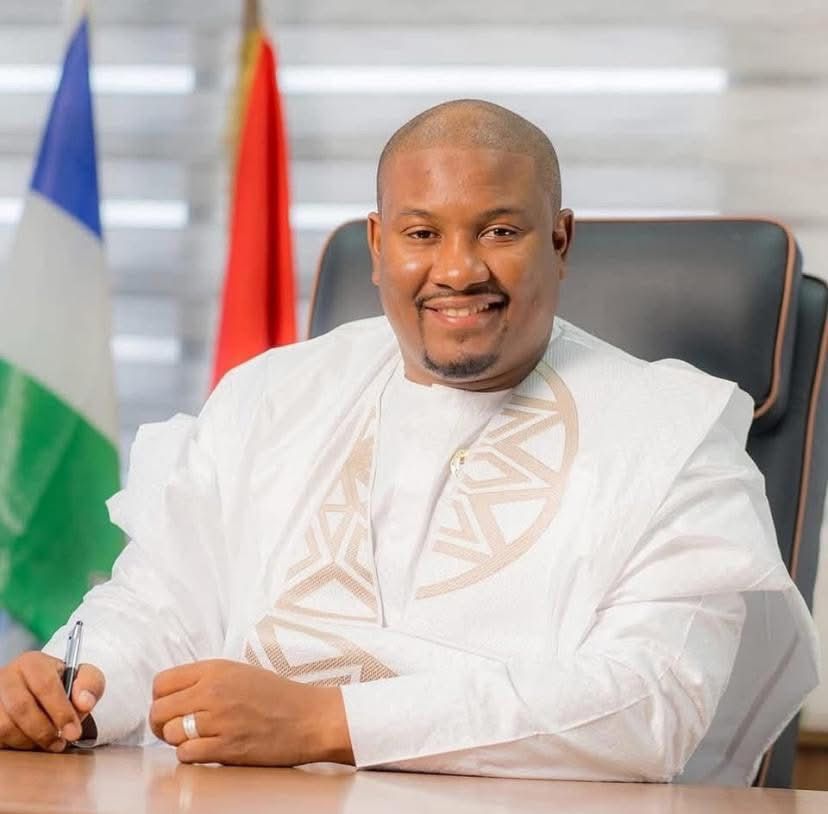
Talib Ahmed Bensouda, the leader and presidential flag-bearer of The Gambia’s Unite Party, has reiterated his party’s willingness to explore coalition arrangements for the 2026 presidential election, but only on the firm foundation of trust, shared values, and a common vision for the country’s future.
Speaking during an interview on The Final Take with Sainey M.K. Marenah on The Alkamba Times while visiting the United States, Bensouda emphasized that coalition-building must transcend the narrow goal of unseating the incumbent administration. “We have been part of a number of coalition discussions, and we remain hopeful,” he said, underscoring that any alliance would be guided by principles rather than political expediency.
The Unite Party leader made it clear that successful partnerships should focus on substantive governance reforms, poverty alleviation, and policies that tangibly improve the lives of ordinary Gambians. “A coalition should be centered on governance reforms, poverty reduction and policies that improve the lives of Gambians, instead of merely serving as an electoral vehicle to remove the current administration,” Bensouda stated.
While acknowledging past collaboration with the United Democratic Party (UDP) on certain platforms, Bensouda admitted that forging a formal alliance between the two parties could be difficult due to strained relations. Nevertheless, he insisted that the Unite Party’s primary strategy remains contesting the 2026 election independently while keeping the door open to principled partnerships.
“We believe that we can win this election, but we are also open to partnerships that are based on trust, shared values, and a clear vision for the future of The Gambia,” he affirmed.
Beyond electoral strategy, Bensouda used the platform to reaffirm his commitment to the Gambian diaspora. If elected, he pledged to ensure that Gambians living abroad are granted their constitutional right to vote and receive representation in the National Assembly. He also promised to create structured opportunities for members of the diaspora to return home and apply their skills and expertise to national development.
“We will ensure that Gambians in the diaspora are given their constitutional right to vote and are represented in Parliament, and we will also create opportunities for them to bring back their talents to support national development,” Bensouda said.
Addressing criticism stemming from his departure from the UDP, the Unite Party leader rejected accusations of betrayal. He described his move as motivated by fundamental differences in vision for the country’s direction rather than personal ambition or disloyalty.
The party is still finalizing its manifesto, Bensouda disclosed, but outlined key priorities including good governance, human capital development, and economic integrity. He identified the rising cost of living, security challenges, and delays in institutional reforms as urgent issues his administration would tackle within the first 100 days in office.
Bensouda’s ongoing tour of the United States is part of a wider outreach effort by the Unite Party to engage Gambians in the diaspora. As the country’s political parties ramp up preparations for the 2026 presidential election, such international engagements are becoming increasingly vital for building support and shaping campaign narratives.
Political observers note that Bensouda’s measured approach to coalition politics reflects a maturing democratic landscape in The Gambia, where parties are weighing short-term electoral gains against long-term ideological coherence. Whether these discussions will translate into concrete alliances remains to be seen, but the Unite Party’s emphasis on trust and shared vision sets a distinctive tone in the evolving pre-election discourse.