By Fatou Dahaba
The Petroleum Commission has been issued a 60-day ultimatum by Parliament’s Finance and Public Accounts Committee (FPAC) to report back on concrete steps taken to provide official vehicles for eligible officers and resolve a raft of long-standing audit and administrative queries.
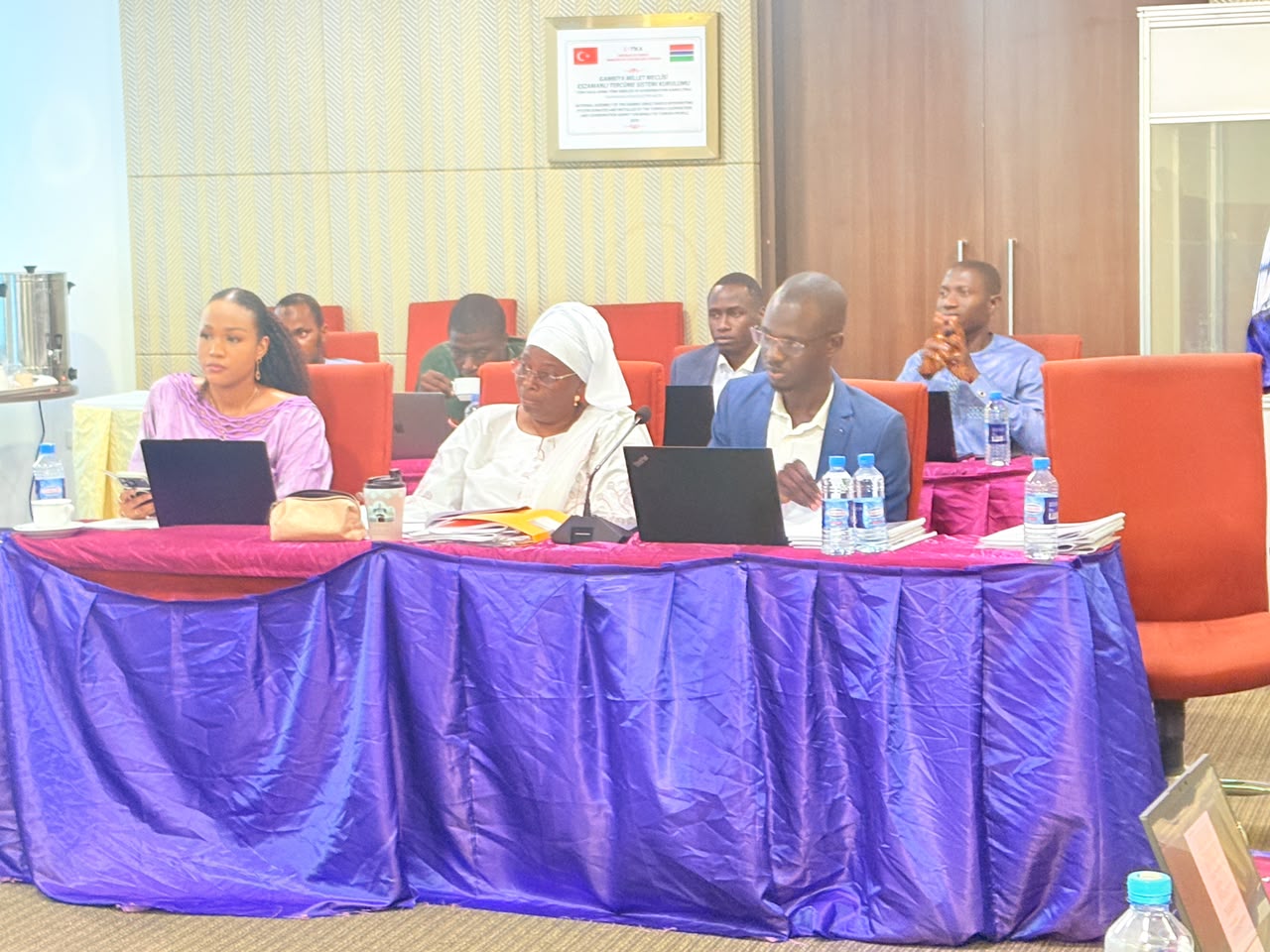
The directive came after the Commission appeared before the committee to defend its annual reports and financial statements for 2022 to 2024. During the rigorous session, lawmakers and auditors scrutinized several practices that have repeatedly drawn audit flags, particularly the controversial payment of vehicle maintenance allowances to staff using personal cars.
Committee members were firm that the Commission must stop using public funds to maintain private vehicles. They argued that the institution’s responsibility is limited to official assets and insisted that entitled officers should be provided with proper government vehicles rather than receiving ongoing maintenance support for their personal ones.
“Management may have acted in good faith to support staff, but the arrangement is not backed by rules and continues to expose the Commission to audit queries,” one lawmaker noted. The committee also endorsed auditors’ view that staff should not receive both a car allowance and a maintenance allowance simultaneously.
In its defense, Commission officials led by the Commission Director General Cany Jobe explained that the situation stemmed from procurement delays and budget constraints that left some senior officers without the official vehicles they are entitled to. The maintenance payments were intended as a temporary bridge. However, the FPAC rejected the continuation of the practice and ordered the board and management to accelerate vehicle acquisition and report progress within 60 days.
Beyond vehicles, the hearing examined per diem rates paid to board members and senior management. Auditors recommended full alignment with government-approved rates, while the Commission defended its revised scales, which it said were benchmarked against similar institutions after consultations with the Office of the President. Auditors maintained that some rates still require stronger justification.
Another area of concern was the Commission’s one-by-six salary advance scheme, currently calculated on net salary rather than basic salary. This deviates from standard government practice, prompting the committee to demand immediate alignment for consistency and compliance.
Lawmakers also questioned the opening of a commercial bank account without documented approval from relevant authorities. Management said the account was created for operational efficiency, especially online transactions, and that steps are underway with the Accountant General’s office to regularise it.
Further discussions centered on the management of petroleum-related funds, including the Training and Resource Account and the Petroleum Sector Development Account. Members sought assurances that all revenues collected under petroleum activities are handled strictly in accordance with the Petroleum Commission Act.
Throughout the session, FPAC emphasized the importance of robust internal controls and full adherence to public finance regulations to prevent recurring audit findings. The oversight hearing underscores Parliament’s determination to ensure greater accountability in the management of the country’s critical petroleum sector resources.