A new baseline media analytics report shows the ruling National People’s Party (NPP) and President Adama Barrow commanding the overwhelming majority of party-related television news airtime in The Gambia in the six months before the official campaign period for the 5 December 2026 presidential election, while press coverage recorded a measurable rise in mentions of the main opposition United Democratic Party (UDP).
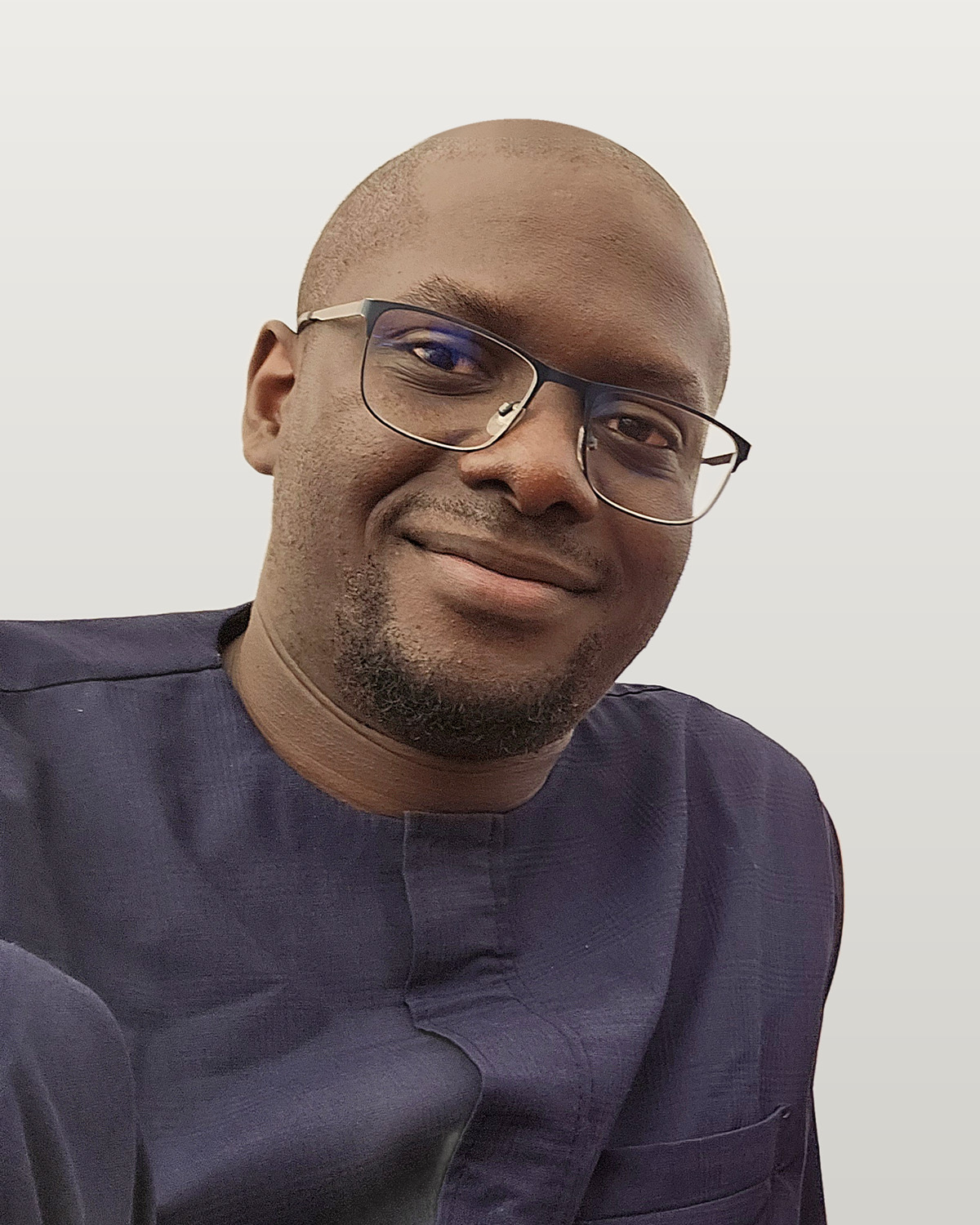
The findings come from Report 1: Baseline (April–September 2026) of the IPI 01 Election Media Analytics series, published by Gambian computer scientist Muhammed Njie, the founder and director of Cubixio GMB, a measurement and analytics company based in The Gambia, on 11 November 2026 (updated 18 November) and drawn from the organization’s Gambia Decides platform.
The report measures political coverage across seven Gambian press outlets, the main evening news bulletins of three television stations (state broadcaster GRTS and private stations QTV and Star TV), Gambian online newspapers (including Alkamba Times, Fatu Network, and Ker Fatou), and public Facebook pages. It is explicitly a pre-campaign baseline, not an assessment of campaign-period balance or of how the election itself is conducted.
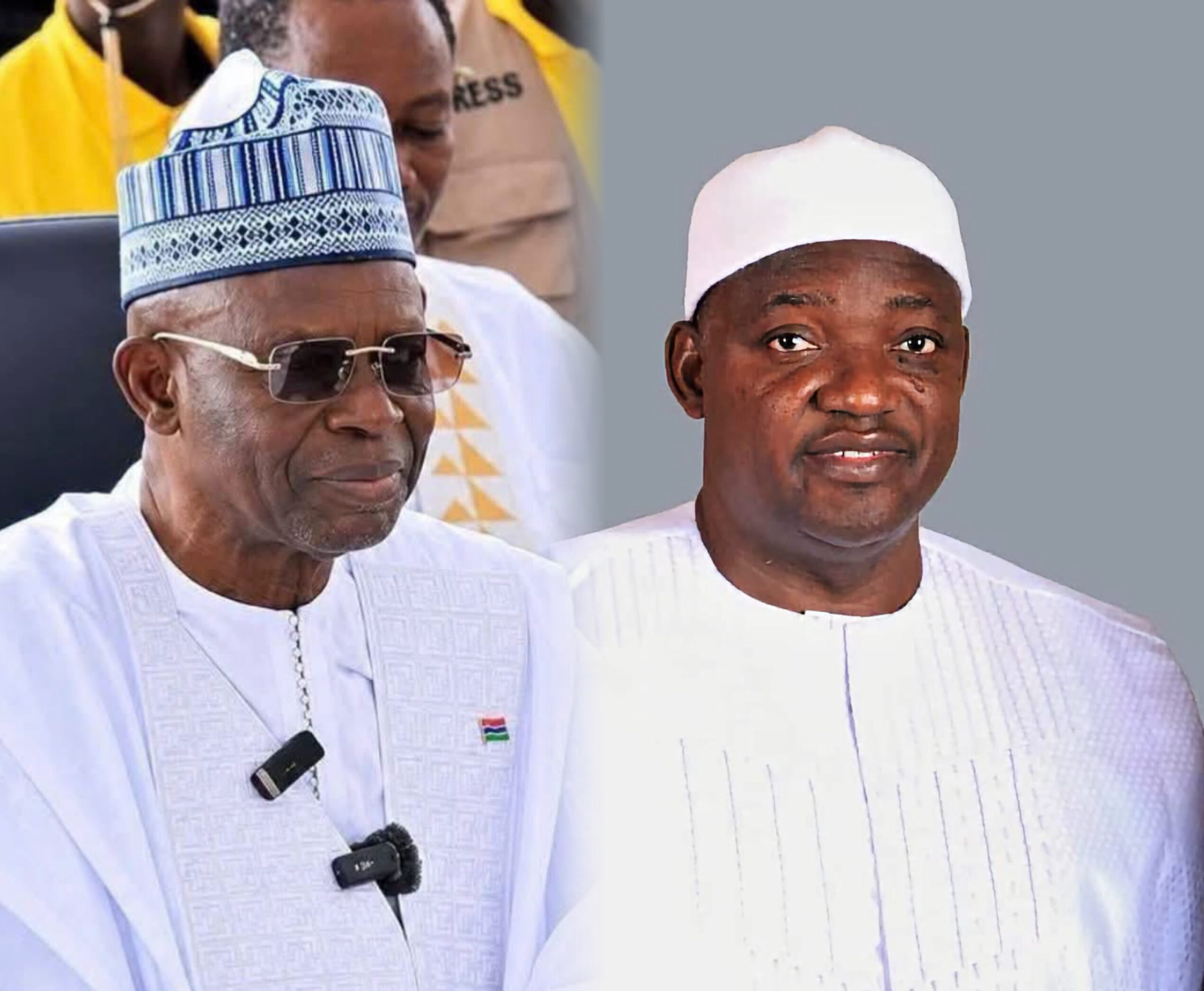
Across 316 analyzed evening news bulletins, no party other than the NPP was the subject of 10 or more bulletins on any single station in either quarter. On GRTS, the NPP held 91.3 percent of party airtime in April–June (based on 45 bulletins) and 85.6 percent in July–September (85 bulletins). President Barrow alone accounted for roughly 32 percent of all tracked airtime on GRTS in both quarters. Private stations showed lower but still dominant NPP shares: on QTV the NPP held 82.0 percent and 71.3 percent of party airtime, while on Star TV in the third quarter it held 91.1 percent. The report notes that a politician’s airtime counts toward their party, including coverage of official duties, and does not separate the President’s role as head of state from any candidate role.
In press articles that mentioned at least one party or leader (799 in the second quarter, 1,215 in the third), President Barrow appeared in 62.3 percent and 59.1 percent, respectively. Taken together, party and leader mentions put the NPP at 69.5 percent and the UDP at 66.7 percent of such articles. The UDP rose from 22.5 percent to 33.5 percent, and the UMC (now UNITE) from 14.4 percent to 18.4 percent. Opposition leaders such as Ousainou Darboe and Talib Ahmed Bensouda also saw their mention shares increase. These press figures come from a partly different mix of outlets between quarters (The Fatu Network was not collected in April–June, and The Voice contributed far more items later), so the report cautions against reading the quarters as a direct like-for-like trend.
Press tone, as judged by the analytics engine from headlines and article openings, shifted from 37.5 percent negative and 35.4 percent positive in April–June to 29.0 percent negative and 39.1 percent positive in July–September. The election campaign itself was the largest press theme and grew from 14.5 percent to 21.3 percent of political items, while media freedom coverage fell from 4.2 percent to 1.2 percent.
Women held just 4.1 percent of the bulletin airtime given to tracked politicians in both quarters. On Facebook media pages (8,778 relevant posts across the window), the election campaign was the largest subject, accounting for 22.4 percent of posts and attracting 24.0 percent of early engagement. Independent press coverage of the Government of The Gambia recorded a “concern” stance in 50.2 percent of mentions in the second quarter and 45.7 percent in the third, while the government’s own statements were coded as trust-affirming in roughly three-quarters of cases.
The report identified a minimum of 464 press articles carrying criticism (the count is limited because only keyword-flagged articles were examined, and only from their openings). The largest press stories included the Chief Justice appointment (35 articles), supplementary voter registration (30 articles), and various alliance and judicial developments. Themes receiving the least attention included religious affairs, tourism, tribal and ethnic matters, and women and gender.
Cubixio stresses that the figures describe what was published, not what happened, and are not a verdict on any outlet, party, or individual. Most findings carry an evidence grade of C (derived from the analytics engine’s labels, with hand-check samples reported where performed). Bulletin collection was lighter in the second quarter; non-English bulletins were excluded from airtime and tone measures; radio is not covered; and Facebook pages were added during the window. Subsequent reports will cover 1 October–22 November 2026 and the election and its aftermath.
The analysis is intended for electoral-support organizations, media bodies, civil society and researchers seeking a consistent, repeatable measure of the information environment.
As The Gambia approaches its December presidential election, the baseline documents a media landscape in which the governing party and incumbent dominate television news airtime, opposition mentions are more visible in the press, women’s political presence on air remains minimal, and election-related themes are already gaining prominence months before the official campaign.