by Dr Muhammed Lamin Touray
In the heart of West Africa, football is more than just a game. It’s a lifeline, a dream nurtured on dusty pitches and concrete streets, a ticket out of poverty, and often the only language that unites communities across divisions. In The Gambia, where the youth population dominates, sport, particularly football, remains one of the most powerful tools for development. From the dusty fields of Serekunda to the schoolyards of Basse, youth pour their hearts into the sport, hoping one day to wear the national colors or make it to the international stage. Yet behind the joy of the game lies a harsh, often hidden reality: a rising epidemic of preventable injuries, particularly Anterior Cruciate Ligament (ACL) injuries, silently cutting down the potential of our brightest young talents.
ACL injuries are devastating. One moment, a young player is chasing a ball with dreams of Europe in their heart; the next, they’re writhing on the turf, clutching their knee, their future hanging in the balance. In countries with developed sports medicine systems, this may mean months of rehab and a return to the game. In The Gambia, however, it often means the end of a career that never truly began.
As a sports medicine doctor and a former athlete whose journey was ended prematurely by injury, I have seen the cost up close, not just in knees and surgeries, but in broken spirits, school dropouts, and fading hope. In a country with no national sports medicine program, no injury surveillance system, and limited access to rehabilitation, the impact is not just medical, it’s deeply personal, economic, and social.
But it doesn’t have to be this way.
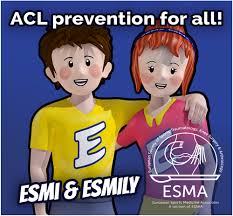
Global injury prevention frameworks like the FIFA 11+ and ESSKA-ESMA’s “Prevention for All” programs offer low-cost, evidence-based solutions that can dramatically reduce the incidence of injuries, especially among youth. These programs, rooted in biomechanics, neuromuscular control, and proper warm-up routines, are simple to implement, require no expensive equipment, and are proven to cut ACL injuries by more than 50%.
So why hasn’t The Gambia adopted these programs nationwide?
The answer lies in awareness, education, and system readiness. Coaches often prioritize tactics over training safety. Medical personnel at local levels are largely untrained in sports injury prevention. Policymakers lack data on injury trends, and athletes are not empowered to demand safer environments.
Here’s how The Gambia can adopt FIFA 11+ and ESSKA-ESMA effectively:
1. National Policy Integration: The Ministry of Youth and Sports and The Gambia Football Federation (GFF) should officially endorse FIFA 11+ and ESSKA-ESMA protocols as standard practice for all registered teams, particularly at youth level.
2. Grassroots Education: Train local coaches, PE teachers, and volunteer medics on how to implement these warm-up routines properly. A train-the-trainer model can ensure sustainability and widespread coverage.
3. Injury Surveillance: Establish a national injury reporting system, starting with major tournaments and league matches. Data will inform policy and drive investment.
4. Partnerships: Collaborate with FIFA, ESSKA, and other international bodies to access technical guidance, training materials, and support.
5. Athlete Empowerment: Educate players about injury prevention and recovery. Let them be partners, not just participants, in safeguarding their own futures.
Because every injury prevented is a dream protected.
Behind every ACL tear in The Gambia is a story rarely told—a rising star in Brikama who limps through life now, unable to run with his peers; a teenage girl in Bakau who never returned to the pitch after her injury because there was no physio to guide her recovery; a family who mortgaged their land to fly their son to Senegal for knee surgery, only for him to be rejected by a scout because he was “damaged goods.”
We cannot afford to let more futures be lost this way. The cost of inaction is too high. Our youth deserve a system that doesn’t just celebrate their goals but protects their bodies, minds, and dreams.
It’s time for The Gambia to lead a new era in African sport, one where prevention is prioritized, care is dignified, and the dreams of young athletes are given the chance to grow without fear of being torn apart by preventable injury.
A torn ligament should never tear a future.
Now is the moment to act—not tomorrow, not when we have more funding, but today—with the tools already in our hands. With FIFA 11+, ESSKA-ESMA, and a collective national commitment, we can build a safer, stronger, and more successful sporting future.
And when we do, it will not just be The Gambia’s athletes who rise, but the nation itself.