By Sainabou Sambou
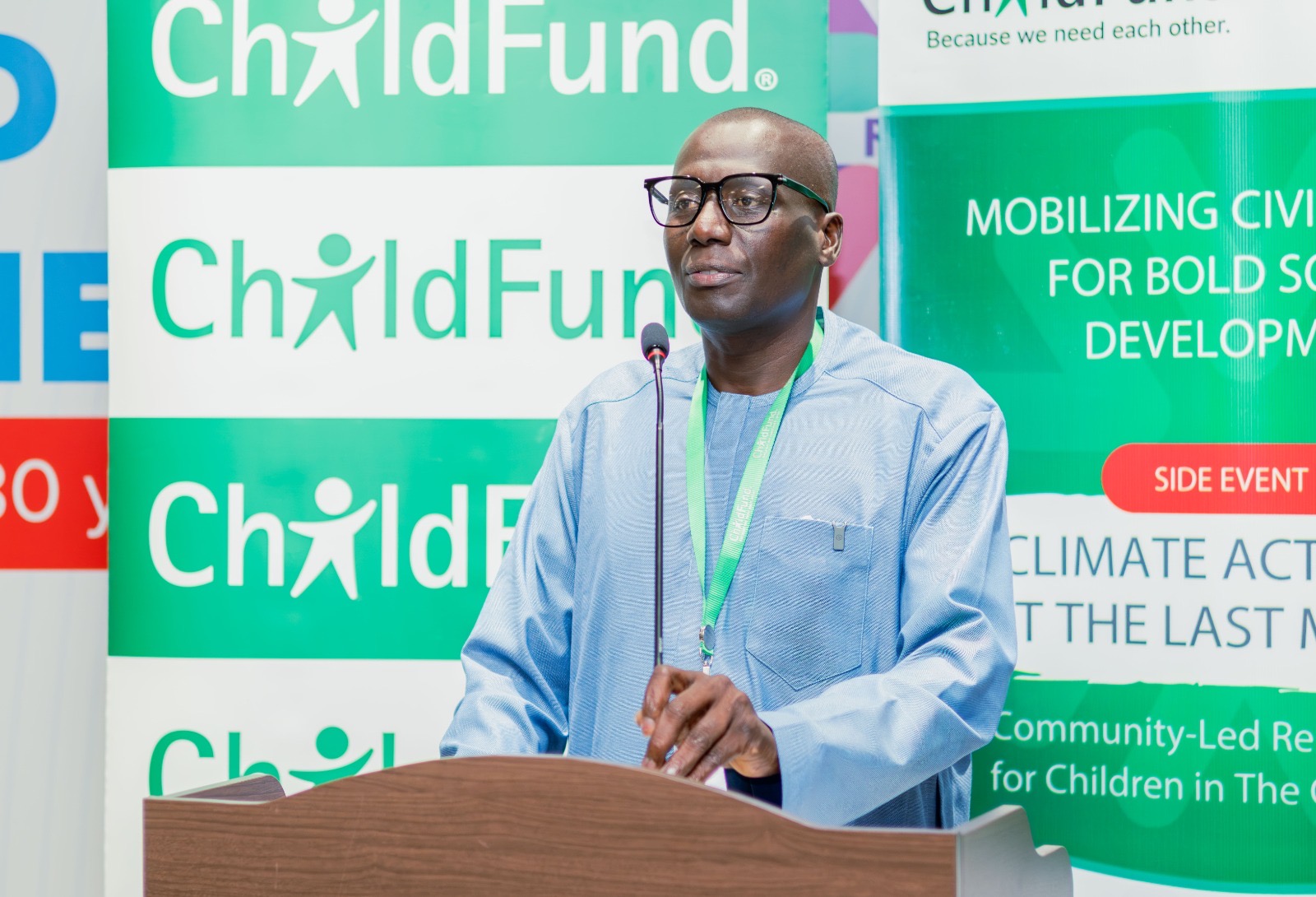
As political temperatures rise ahead of The Gambia’s December 5, 2026 presidential election, ChildFund International Gambia Interim Country Director Nfamara Dabo has issued a strong public appeal that children not be put at risk for the sake of campaign spectacle.
Dabo warned that the intensifying cycle of rallies, processions and late-night gatherings is already exposing children to injury, traffic accidents, overcrowding and separation from their caregivers. “Children should not pay the price for political campaigns,” he said, stressing that young people are too often treated as decorative elements or symbols of popular support rather than as individuals with rights to safety and dignity.
He noted that it has become common to see children marching in campaign processions or packed into crowded rally grounds. While parents may see such participation as harmless or even patriotic, Dabo argued that the physical and emotional risks are real. Overcrowding can lead to crush injuries or stampedes; processions frequently spill onto roads; and late-night events increase the chance that children will become lost or left unsupervised. “Children should not be used as tools for political mobilization, campaign publicity or demonstrations of political support,” he stated.
The ChildFund director placed clear responsibility on political parties and candidates themselves. Campaign organizers, he said, must design events that deliberately keep children out of high-risk zones and must refuse to encourage or reward their presence as campaign props. At the same time, he called on parents and caregivers to supervise more closely, keeping children away from crowded gatherings and any activities that run late into the night.
Beyond immediate physical safety, Dabo broadened the conversation to the longer-term obligations of political leadership. Children constitute a large share of The Gambia’s population yet remain largely invisible in campaign discourse because they cannot vote. He urged every party and candidate to treat children’s welfare as a core manifesto priority, not an afterthought. Concrete commitments, he argued, should address education quality and access, child health services, reducing child poverty, and strengthening formal child-protection systems.
Dabo also emphasized that child protection during the electoral period is a shared duty. Media houses, civil-society organizations, religious leaders and community elders all have roles to play in discouraging the instrumental use of children and in amplifying messages about their safety. “Child protection should be treated as a collective responsibility involving families, communities and institutions,” he said.
ChildFund International, he added, stands ready to work with government agencies, local communities, families and development partners to advance children’s rights and well-being throughout the electoral cycle and beyond. He invited political actors to engage with child-focused organizations when drafting policy platforms so that promises translate into practical, measurable plans.
In closing, Dabo offered a broader measure of leadership. Electoral victory, he suggested, is incomplete if it is achieved at the expense of the next generation. “The true measure of leadership should not only be determined by electoral victories but also by how leaders protect and invest in the next generation,” he said. The decisions made in the coming months, he warned, will shape the lives and prospects of Gambian children long after the ballots are counted.