By Sainabou Sambou
Bamboring Sambou, the innovative founder of Max-Way Tropical Greening Farm in Brikama, The Gambia, is turning heads in the agricultural world by cultivating crops traditionally considered impossible in the country’s hot, humid climate.
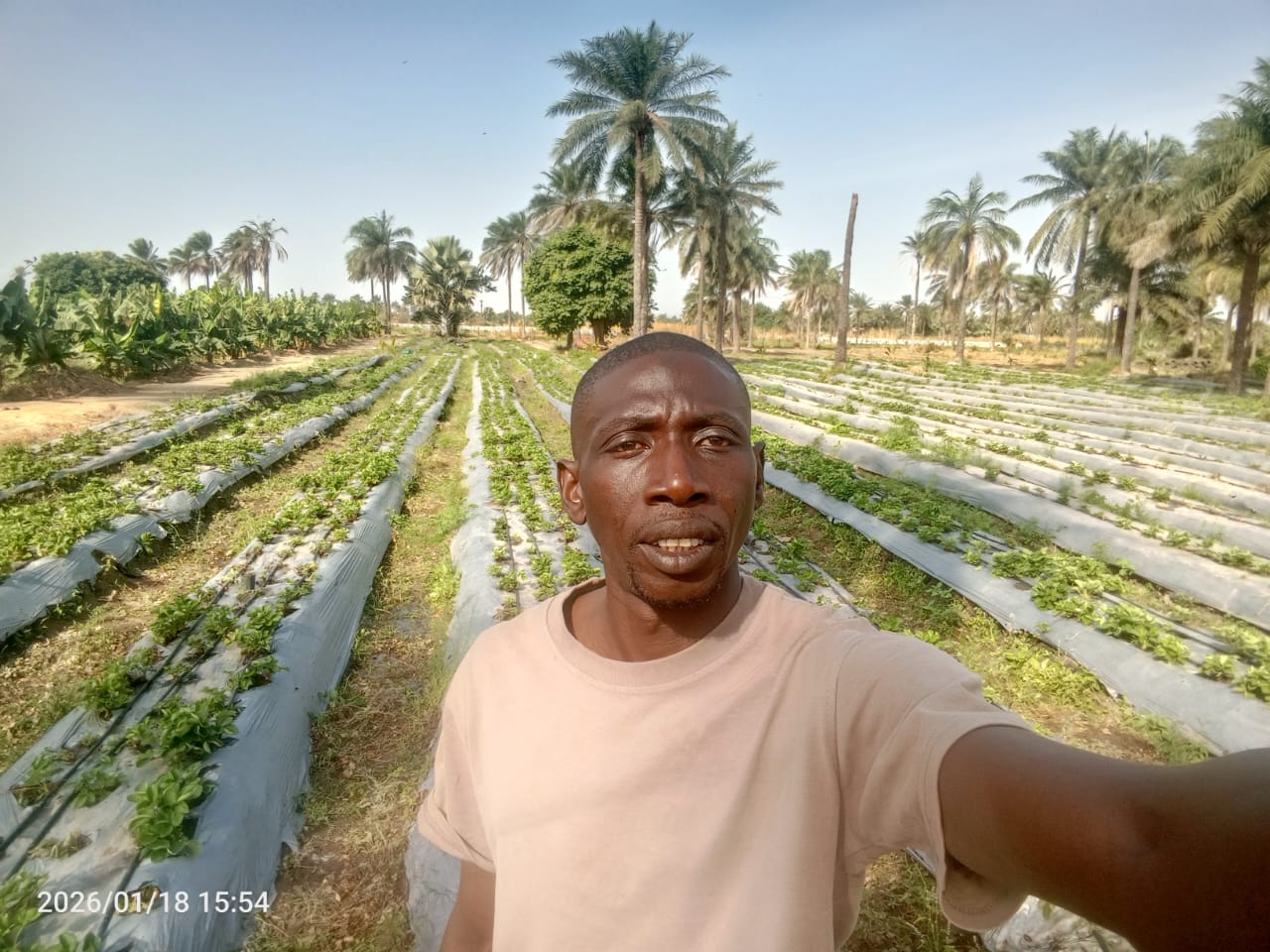
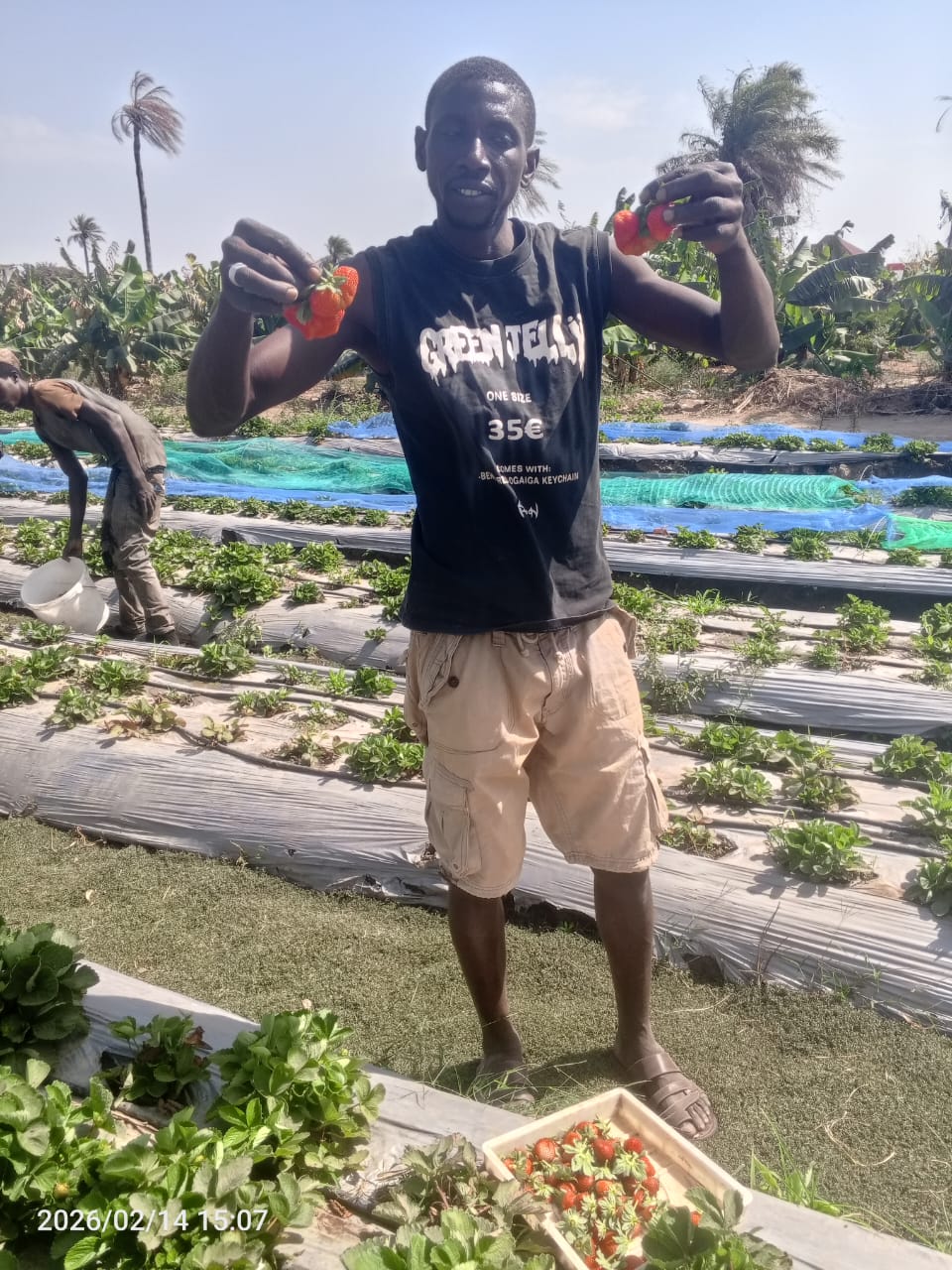
What began as backyard experiments in 2018 has evolved into a thriving operation that challenges deep-seated skepticism about Gambian farming potential. Sambou has demonstrated that apples, grapes, strawberries, and even black pepper and garlic can flourish with smart techniques such as greenhouses, drip irrigation, organic soil enrichment, and precise microclimate management.
Early doubters dismissed his efforts, insisting temperate fruits could never survive Gambia’s conditions. Initial failures—plants drying up in harsh seasons—only fueled criticism. Yet Sambou’s persistence paid off: successful harvests of apples, grapes, and strawberries proved his methods work, converting some former skeptics into eager seekers of his seedlings.
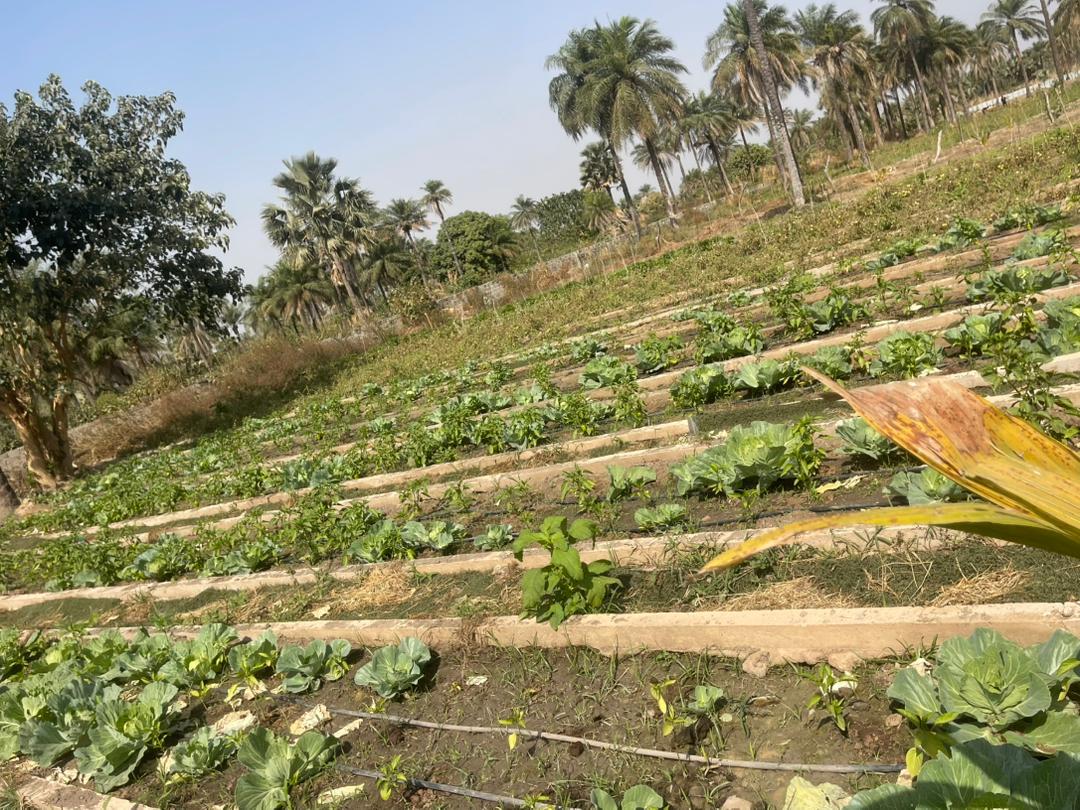
Through his farm and the partnered Rahma Gardens, Sambou continues to expand, focusing on exotic varieties while promoting sustainable practices to cut reliance on costly imports. He envisions nationwide replication to boost food security, create jobs, diversify crops, and reduce foreign spending.
“Agriculture is not poverty. It is power,” Sambou declares, urging young farmers to start small, learn deeply, and build resiliently.
His story—from home experiments inspired by his environmentalist uncle to a model of innovation—highlights untapped possibilities in Gambian soil, sunlight, and land. As plans grow for more acreage, advanced irrigation, value-added processing, and agri-tourism training, Sambou’s breakthrough signals a potential agricultural renaissance in The Gambia.
Sambou launched Max-Way Tropical Greening Farm in 2018 as a modest research hub in his Brikama home, complete with a small soil laboratory. His mission was straightforward yet ambitious: demonstrate that Gambian soil is far more fertile and versatile than commonly assumed, and reduce the nation’s heavy reliance on imported fruits and spices.
“We have good soil, land, and sunlight,” Sambou told TAT. “We should be able to grow more of what we consume.”
Early efforts focused on trial-and-error cultivation. Skeptics were abundant. Many locals insisted that temperate fruits like apples and grapes simply could not survive Gambia’s heat, humidity, and seasonal rains. Initial setbacks reinforced those doubts—some plants withered in one season, prompting quick dismissals from critics.
But Sambou pressed on. By carefully controlling the climate, managing soil, and sourcing high-quality seeds, he adapted his methods. Greenhouses became essential tools, regulating temperature, shielding young plants from intense sunlight, protecting against heavy downpours, and minimizing pest damage. Drip irrigation ensured efficient water use, organic compost enriched the soil, and natural pest controls reduced reliance on chemicals.
The breakthrough came when his first apples, grapes, and strawberries survived their initial season and later produced viable harvests. “That experience taught me resilience,” Sambou reflected. “The following season brought improvement, and some of the same skeptics returned asking for seedlings.”
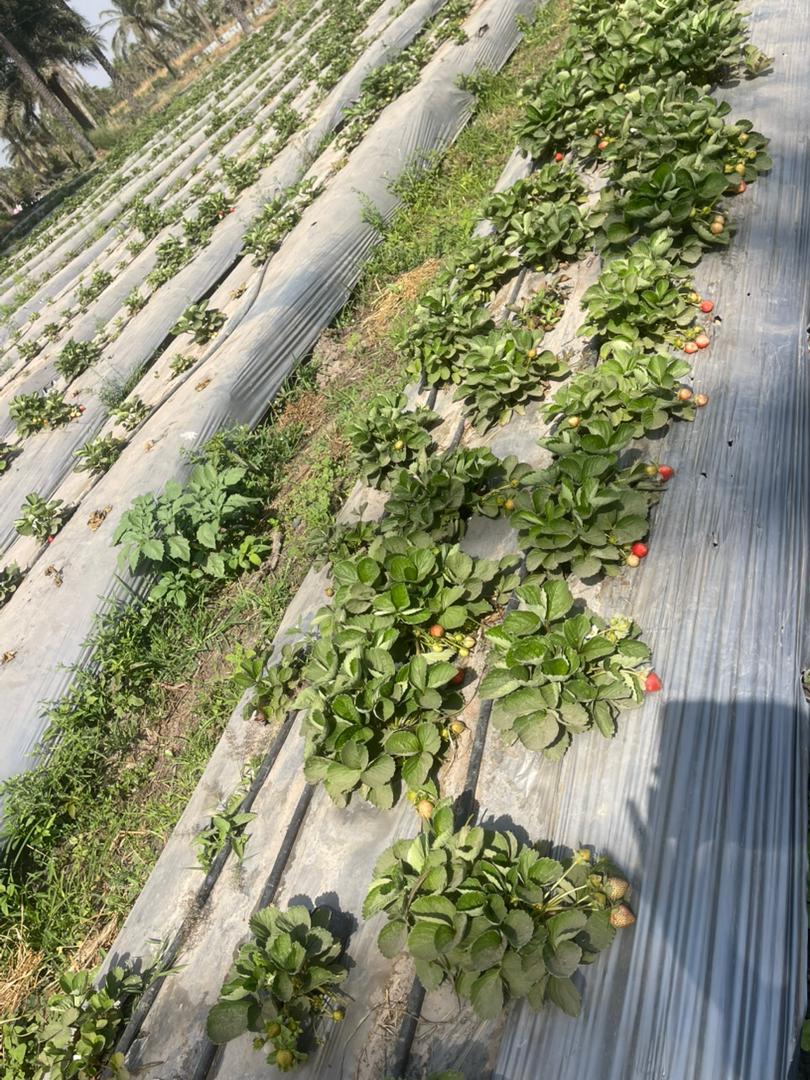
These successes marked a turning point, validating his belief that success hinged not on impossibility but on technique, patience, and an understanding of microclimates. Today, strawberries and grapes show particularly strong potential under controlled conditions, while apples continue to show promise with ongoing adaptation.
Sambou has expanded his experiments to include black pepper, which requires support structures and partial shade, and garlic, demanding well-drained soil and precise spacing. Unlike fruit trees that need wider spacing and long-term care, these crops fit into more intensive systems.
His inspiration draws from deep roots. Growing up surrounded by Gambian agriculture, Sambou watched local farmers toil diligently. A major influence was his uncle, Foday Bojang, an environmentalist whose teachings on land stewardship shaped his early views. Sambou has elevated that foundation into a modern, experimental approach emphasizing continuous soil study and innovation.
A key partnership has amplified his work: Rahma Gardens, a collaboration between Max-Way Tropical Greening Farm and the Nyang family. This alliance has deepened research and broadened practical experience, turning initial backyard trials into a more robust operation.
Beyond personal achievement, Sambou sees broader implications for The Gambia. Innovative farms like his could cut import bills, diversify crops, ease seasonal shortages, and generate jobs. “Agriculture is not poverty,” he asserts. “It is power.”
If scaled nationwide, such models could unlock untapped value in Gambian land, strengthening the local economy and food security.
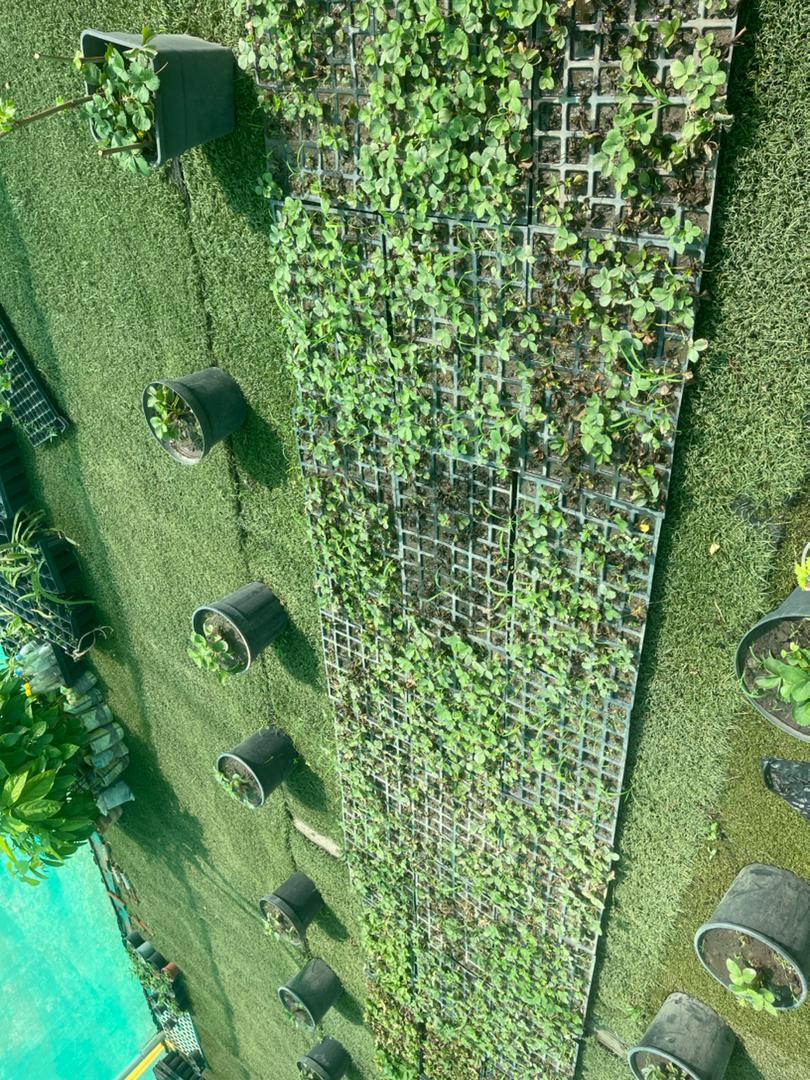
Looking forward, Sambou’s plans are expansive: acquiring additional land, upgrading greenhouse systems, extending drip irrigation networks, adding value through processing (such as garlic powder and dried fruits), and launching agri-tourism with a dedicated training center.
He prioritizes hands-on demonstration. Visitors to the farm often arrive doubtful but leave inspired after seeing thriving crops firsthand. “When farmers visit and see the crops growing, confidence replaces doubt,” he said.
His advice to aspiring young farmers is simple yet profound: start small, learn deeply, and expand wisely. Resilience, he believes, trumps speed in agriculture.
Today, Max-Way Tropical Greening Farm and Rahma Gardens stand as living proof of what’s possible. In a nation where agriculture remains central, Bamboring Sambou’s journey from backyard experimenter to innovative leader is redefining the future of Gambian farming—one resilient harvest at a time.