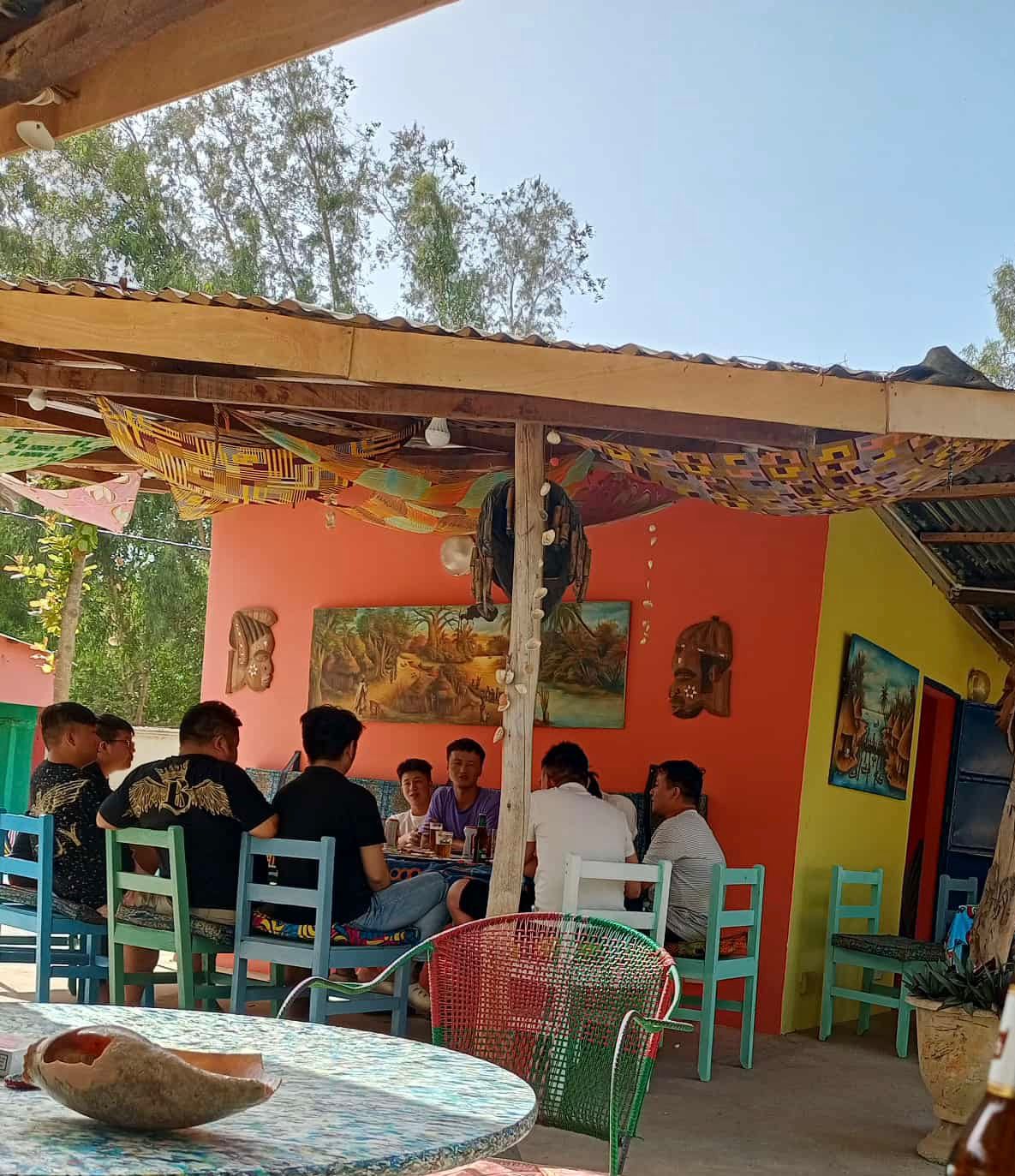
In a significant development in the unfolding cybercrime scandal in Tujereng, The Gambia, authorities have begun deporting groups of the 60 foreign nationals, primarily believed to be Chinese and Vietnamese, arrested in a dramatic raid last month. The suspects, apprehended in a joint operation by the Gambia Police Force, were allegedly operating a sophisticated cybercrime network targeting victims worldwide. The residences where the group was based—owned by prominent Gambian figures Peter Senghore and Abubakar Jeng—are now under the control of security forces, with restricted public access as investigations deepen.
According to a source with knowledge of the operations, the first group of the suspected number, at least 20, was deported after pleading guilty to cybercrime charges following their arraignment before a court in Banjul.
“Yes, I can confirm that the first batch of the suspects left the Gambia a few days ago, and the rest are being processed,” a security source told the Alkamba Times.
The suspects, who reportedly fled to The Gambia from Nigeria after being exposed there, had established their operations in upscale apartments in the serene coastal areas of Tujereng and Batokunku. The properties, owned by Senghore, a well-known businessman, and Jeng, the National Security Advisor to the President, were leased without apparent background checks, raising questions about oversight and accountability.
The Alkamba Times’ ongoing investigation has revealed that the group’s secretive activities went largely unnoticed until a pivotal tip-off from their hired watchman, who was allegedly poisoned after threatening to expose their operations.
The raid, one of the largest anti-cybercrime operations in Gambian history, seized 36 laptops, 174 mobile phones, 32 desktop computers, and extensive networking equipment, underscoring the scale of the alleged cryptocurrency fraud and social media scams. In collaboration with INTERPOL, authorities are working to verify the suspects’ identities and trace the global reach of their activities, which allegedly involved luring victims with promises of high returns on fake investments linked to offshore companies.
The deportation process marks a new phase in the case, with suspect groups now expelled from The Gambia. Sources indicate that the group’s prior base in Nigeria suggests a pattern of exploiting smaller nations with weaker regulatory frameworks as safe havens for transnational crime. Security forces’ occupation of the Tujereng and Batokunku properties signals intensified efforts to secure evidence and prevent further criminal activity at the sites.
The involvement of high-profile landlords like Jeng and Senghore continues to fuel public outrage. Critics argue that Jeng’s role as a senior official entrusted with national security makes his failure to vet tenants particularly egregious. “This is a wake-up call for The Gambia,” a cybersecurity expert told The Alkamba Times anonymously. “Lax oversight by influential figures risks turning our country into a hub for global cybercrime.” Senghore, whose real estate ventures include nightclubs, faces similar scrutiny for prioritizing profit over due diligence.
The scandal has exposed vulnerabilities in The Gambia’s security and regulatory systems, prompting calls for stronger measures to prevent the country from becoming a haven for international syndicates. With the apartments now under police surveillance, Tujereng’s residents are left grappling with the unsettling reality that their quiet town was a front for a global criminal enterprise.