By: Fatou Dahaba
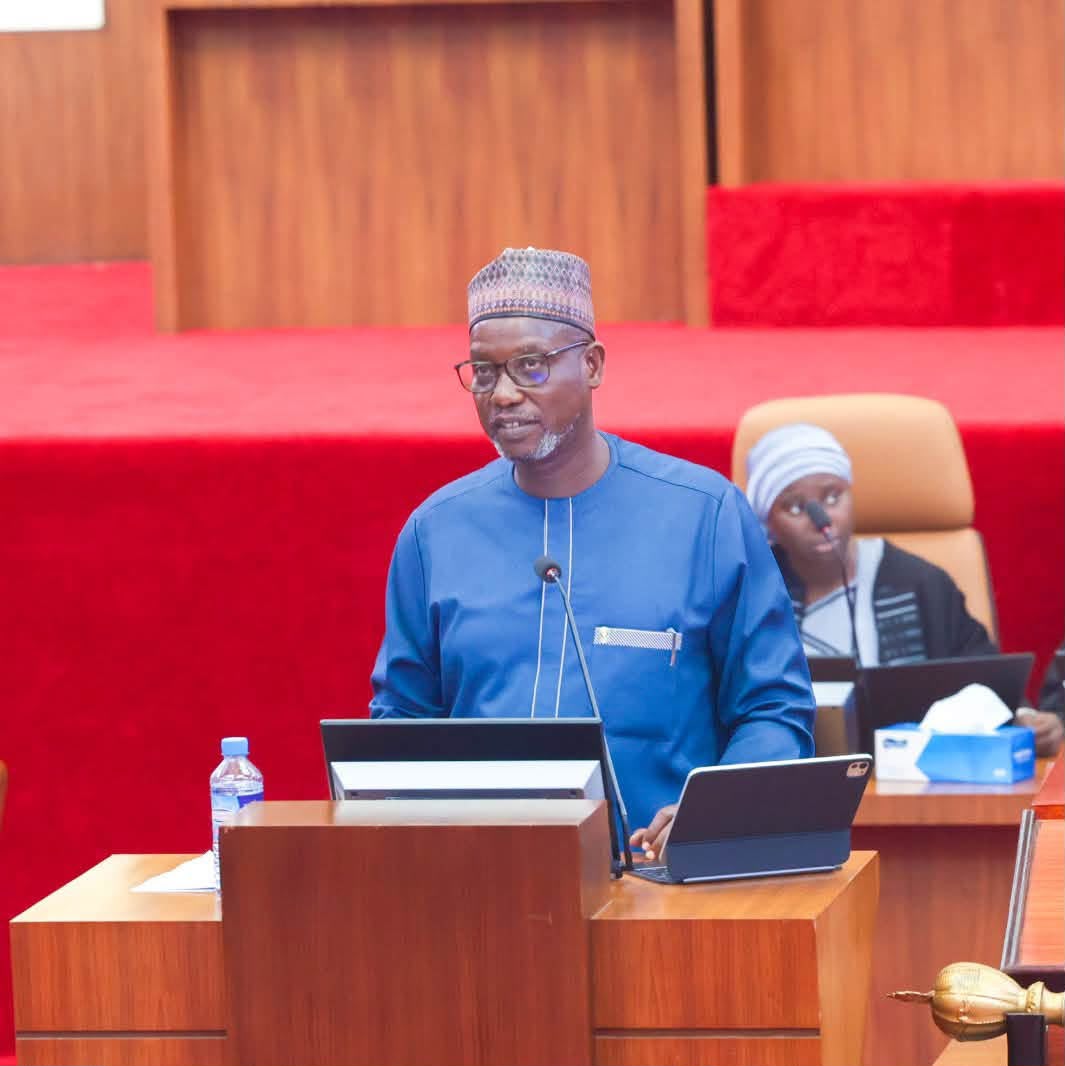
The Minister of Interior, Hon Abdoulie Sanyang, faced sustained questioning in the National Assembly this week over what lawmakers described as the government’s failure to take visible action against tribal and divisive remarks on political platforms as the country moves toward the 2026–2027 electoral cycle.
The National Assembly Member for Lower Badibu, Hon Kemo Gassama, raised the issue during questions for oral answer. Gassama asked when the ministry would implement measures it had earlier outlined to the Assembly to tackle tribalism and other forms of segregation.
In his response, Minister Sanyang said steps were already underway to preserve peace and stability before, during, and after the elections. He told lawmakers that the Gambia Police Force was intensifying community policing, outreach, media engagement, and public education campaigns to discourage divisive language and promote tolerance, national unity, and peaceful coexistence. The government’s approach, he said, is preventive rather than reactive. The objective is to identify tensions early, engage the relevant communities and take lawful remedial action before such issues escalate into threats to public order or national security.
The explanation failed to satisfy some members, who argued that tribal and discriminatory remarks had already been made publicly without any clear response from the authorities. Gassama pressed further, stating that people close to the corridors of power had engaged in personal profiling, yet no action had been taken. He referred to a case in which a public figure was allegedly described in ethnic or racial terms and questioned why no sanction had followed.
The National Assembly Member for Bakau, Hon Assan Touray, joined the debate, saying the core issue remained implementing measures against tribal politics. He noted cases in which individuals had used political platforms to attack tribes, including statements suggesting that certain ethnic groups should never produce a president. Touray asked what action the ministry intended to take against such individuals.
Minister Sanyang replied that the police and the ministry were engaging political parties, political leaders, candidates, and communities to stop divisive rhetoric. He argued that policing’s role is not only to arrest but also to prevent conflict through dialogue and de-escalation. He said authorities were cautious about making arrests during a politically sensitive period, as such actions could be seen as politically motivated and create further tension. Arrest and prosecution, however, remained possible where necessary.
The National Assembly Member for Sabach Sanjal, Hon Alagie Babou Ceesay, also asked what further steps the ministry would take if community policing and dialogue failed to stop tribal politics during the campaign period. In an intervention, the Speaker said all Gambians have a responsibility to reject speech that divides the country along tribal, religious, or regional lines and urged citizens who feel offended or witness wrongdoing to report such incidents to the nearest police station.
The exchange underscored growing concern within the Assembly that preventive measures alone may prove insufficient if inflammatory rhetoric continues unchecked as the electoral cycle intensifies.