By Fatou Dahaba
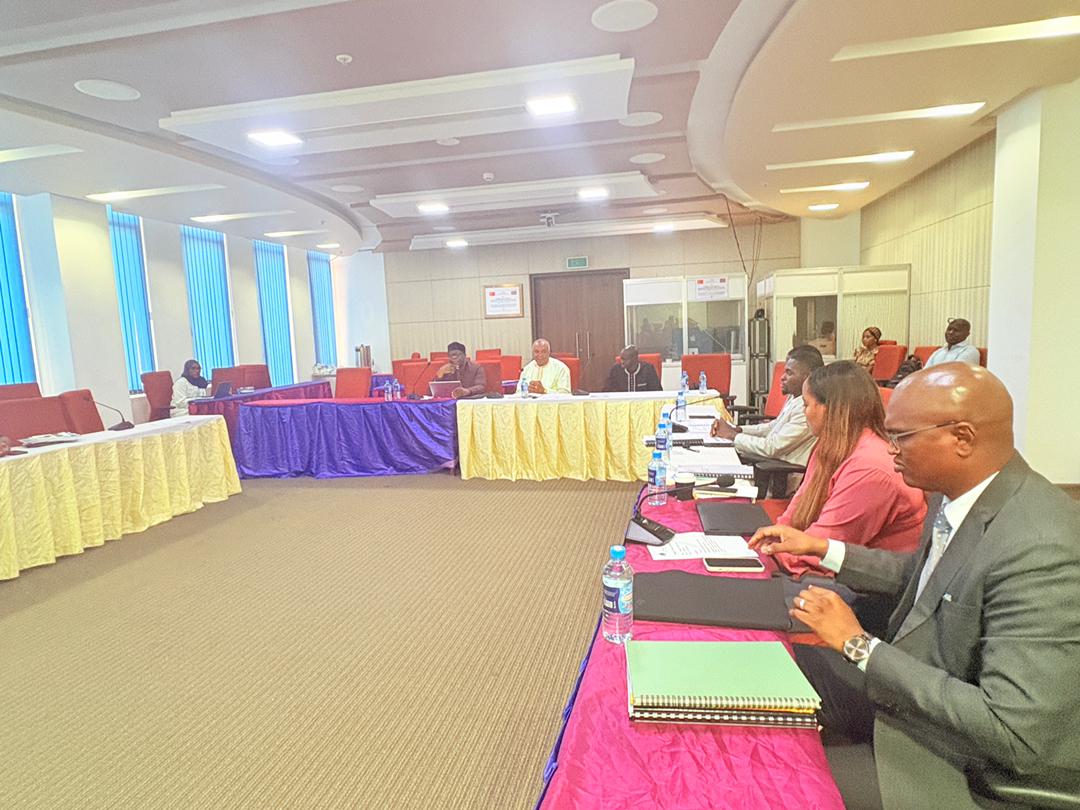
Members of the National Assembly’s Finance and Public Accounts Committee on Monday expressed sharp concerns over significant delays and repeated financial outlays on a troubled software project at the National Accreditation and Quality Assurance Authority (NAQAA), questioning the wisdom of continuing to pay substantial annual hosting fees for a system that remained incomplete for more than three years.
During the review of NAQAA’s financial and management reports, lawmakers and auditors highlighted payments, including D195,000 paid upon contract signing; a second payment of D121,900 paid upon completion of the application’s development and its online hosting; a third payment of D172,000 paid upon completion and training; and a hosting fee of D121,000 for annual hosting.
Committee members argued that the prolonged situation exposed the authority to unnecessary financial risk and demanded clear explanations from management.
NAQAA officials responded that the final installment of the software would be released only once the system fully meets all contractual specifications. They defended the annual hosting fees as essential to maintain the development environment while ongoing work continued.
The project, which commenced in 2020, faced multiple setbacks, according to NAQAA. A key factor was the departure of the original coordinating director to India for a program, which created an oversight vacuum without a proper handover. Technical complications surfaced only during user acceptance testing, triggering numerous complaints from departments. This forced the authority to repeatedly engage the vendor for fixes and customizations to align the platform with operational requirements.
Despite the challenges, NAQAA reported that all internal departments are now utilizing the system. A recent workshop with universities and tertiary institutions was held to promote adoption. The software now enables educational institutions to submit accreditation-related information online via NAQAA’s website, significantly reducing the need for physical visits to the authority’s offices.
Lawmakers further probed whether the necessary approvals had been secured for the project. NAQAA assured the committee that the initiative received approval from its Governing Council at the outset and remained under council supervision throughout.
The committee referenced an audit recommendation calling for future software contracts to incorporate clear milestones, strict timelines, and penalties for delays or non-performance. NAQAA accepted the recommendation and pledged to implement it in subsequent technology projects.
Beyond the software saga, discussions touched on broader governance issues. Auditors flagged the absence of minutes for certain senior management meetings and deficiencies in internal audit reporting, noting that reports often lacked management responses or timelines for corrective action. NAQAA says it’s committed to improving documentation through structured monthly meetings and better-formatted reports.
Lawmakers also questioned NAQAA’s handling of surplus internally generated funds, citing requirements under the Public Finance Act for Ministry of Finance approval. The authority maintained that its Governing Council had approved the investments and that legal advice from the Ministry of Justice supported the practice.
Concluding the session, committee members emphasized the need for public institutions to avoid locking themselves into expensive recurring payments for non-functional systems. NAQAA insisted the platform is now fully operational and described the experience as a valuable lesson for future digital initiatives in the public sector. The committee ultimately adopted NAQAA’s report.