By: Momodou Gagigo
President Adama Barrow has promised to revolutionize groundnut sales by introducing a direct banking system that eliminates the need for farmers to queue at banks for harvest payments, marking what he called “a new era” for rural Gambians.
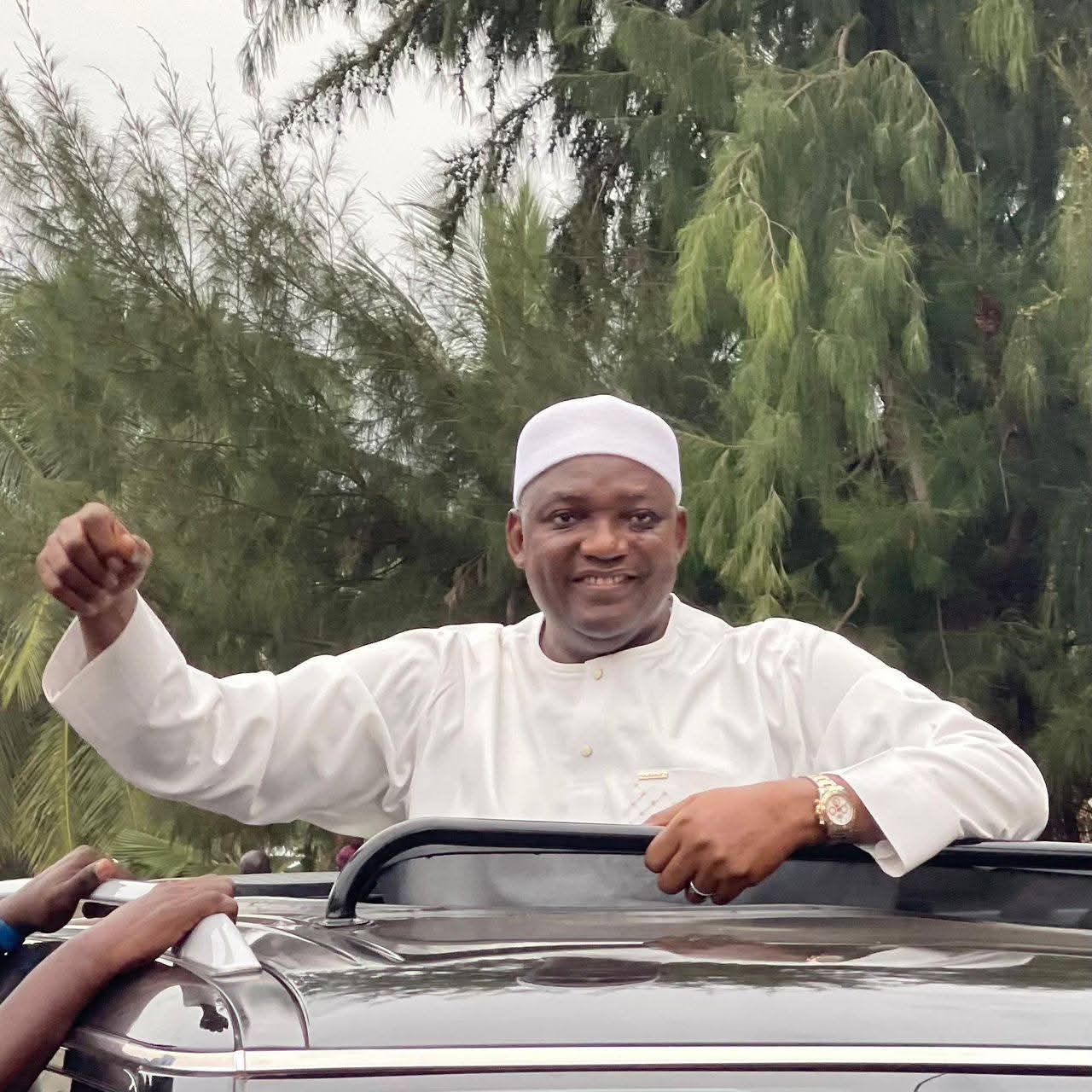
Speaking to thousands of cheering supporters in Maka Bala Manneh on Monday evening during his “Meet the People” tour, the President declared: “This time, you won’t have to go to the bank to get paid for your groundnut harvest. We are implementing a banking system to safeguard the money designated for farmers.”
The pledge followed a presentation by community leaders that laid bare the persistent hardships facing one of the country’s rural districts. Youth leader Omar Joof demanded higher groundnut prices and condemned the “terrible roads” that turn simple trips to selling points into day-long ordeals. “We are struggling to make ends meet,” Joof told the President.
Women’s leader Nyaha Dong appealed for support for female gardeners who feed families while battling inadequate tools and limited market access.
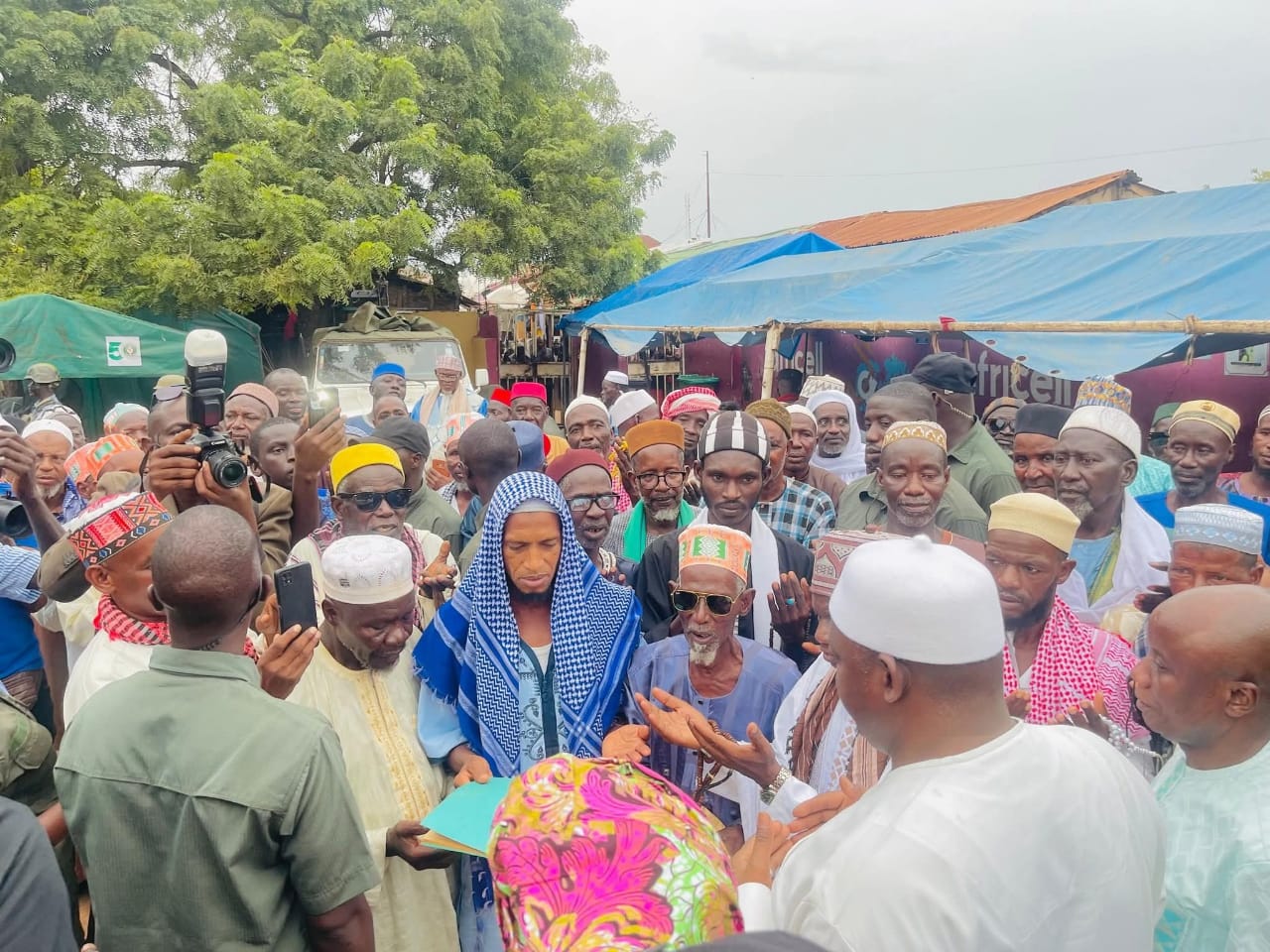
Chief Jorge M. Sonko urged action against rampant deforestation and reminded Barrow that Maka Bala Manneh delivered him one of his largest vote margins in 2021. “We expect more from your government,” Sonko said, openly criticizing officials who “are not delivering as expected.”
National Assembly member Tamsir Cham called for unity to tackle the district’s challenges, while Barrow responded by highlighting his administration’s record on infrastructure. In 52 years, previous governments built only 800 km of roads. In eight years, we have constructed 1,200 km,” he said to thunderous applause.
Arriving hours behind schedule, the President apologized for the delay and personally connected with the villagers. “I will tell Maka Bala Manneh that I was born and brought up in the village,” he said, drawing roars from the crowd that waited patiently under the late-afternoon sun.
The new payment system, details of which are expected soon, aims to curb delays and corruption that have long plagued the groundnut trade—once the backbone of Gambia’s economy. Farmers traditionally sell to buying agents and wait weeks for bank transfers, often losing income to middlemen.
As dusk fell and drummers kept the energy high, residents described the visit as proof that their voices reach the State House. “He listened. Now we watch to see if the money reaches our pockets without stress,” said groundnut farmer Fatou Jallow, echoing the cautious hope that filled the air.
President Barrow left Maka Bala Manneh promising that the struggles of farmers “will soon be history,” closing another chapter of his nationwide tour that continues to blend celebration with demands for tangible change.