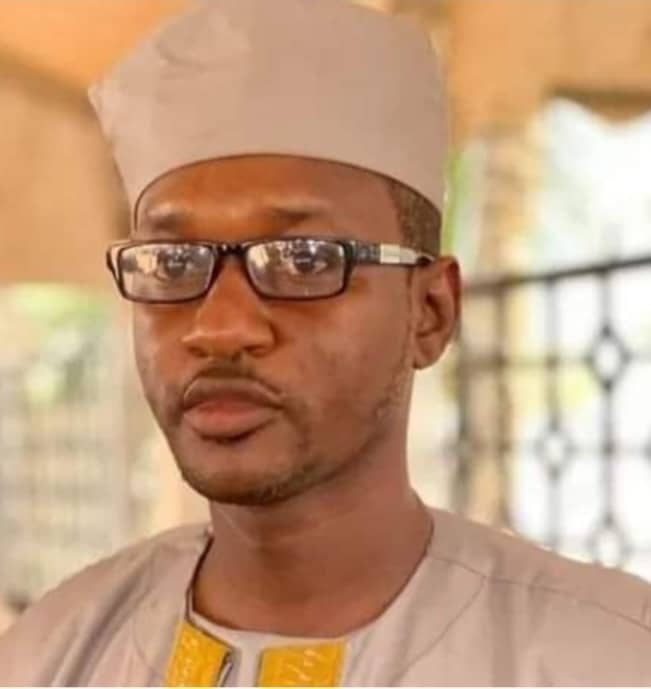
Momodou Bah, alias Obama, leader of the Economic Liberation Movement (ELM), formally announced his intention to contest the 2026 presidential elections on Thursday, vowing to restore full Gambian sovereignty by expelling foreign troops and rebuilding national institutions.
In a fiery public statement released to supporters and the media, unbowed Bah—whose 2021 presidential bid was rejected by the Independent Electoral Commission (IEC) for failing to meet electoral requirements—framed his comeback as a patriotic crusade against external domination.
“The Gambia must rise again—free, proud, and self-reliant,” Bah declared. “Our independence is sacred, our sovereignty is non-negotiable, and our dignity is eternal.”
Central to his platform is the immediate withdrawal of Senegalese and Nigerian troops deployed under the ECOWAS Mission in The Gambia (ECOMIG) since the 2017 political transition. What began as a regional intervention to stabilize the country after former President Yahya Jammeh’s refusal to cede power has, Bah argued, morphed into “a symbol of dependency and external control.”
“No nation can be truly free if its security is commanded by foreign soldiers,” he stated, accusing the current administration of undermining the Gambian Armed Forces’ morale and projecting weakness to the world.
Bah, who styles himself as a voice of “truth, sovereignty, and self-determination,” outlined a three-point plan, an urgent review and firm timeline for the complete withdrawal of all foreign troops, a comprehensive national security overhaul to professionalize and strengthen the Gambian military, and a reset of ECOWAS relations based on “equality, not subordination.”
Political analysts note that Bah’s 2021 disqualification stemmed from procedural lapses, including insufficient endorsements from supporters. Yet his persistent criticism of foreign military presence has resonated with nationalist segments of the electorate, who are wary of prolonged external influence.
“Under ELM leadership, the destiny of The Gambia will be decided in Banjul—not in Dakar or Abuja,” Bah pledged, positioning his party as the sole guardian of uncompromised independence.
The announcement comes amid growing public debate over ECOMIG’s mandate, which has been repeatedly extended despite relative stability. President Adama Barrow’s government defends the troops as a necessary buffer against potential instability, while critics, such as Bah, decry them as an affront to national pride.
As the 2026 race heats up, Bah’s entry injects a potent strain of sovereignty-first rhetoric into the campaign, forcing rivals to address the sensitive question of foreign military footprints on Gambian soil.