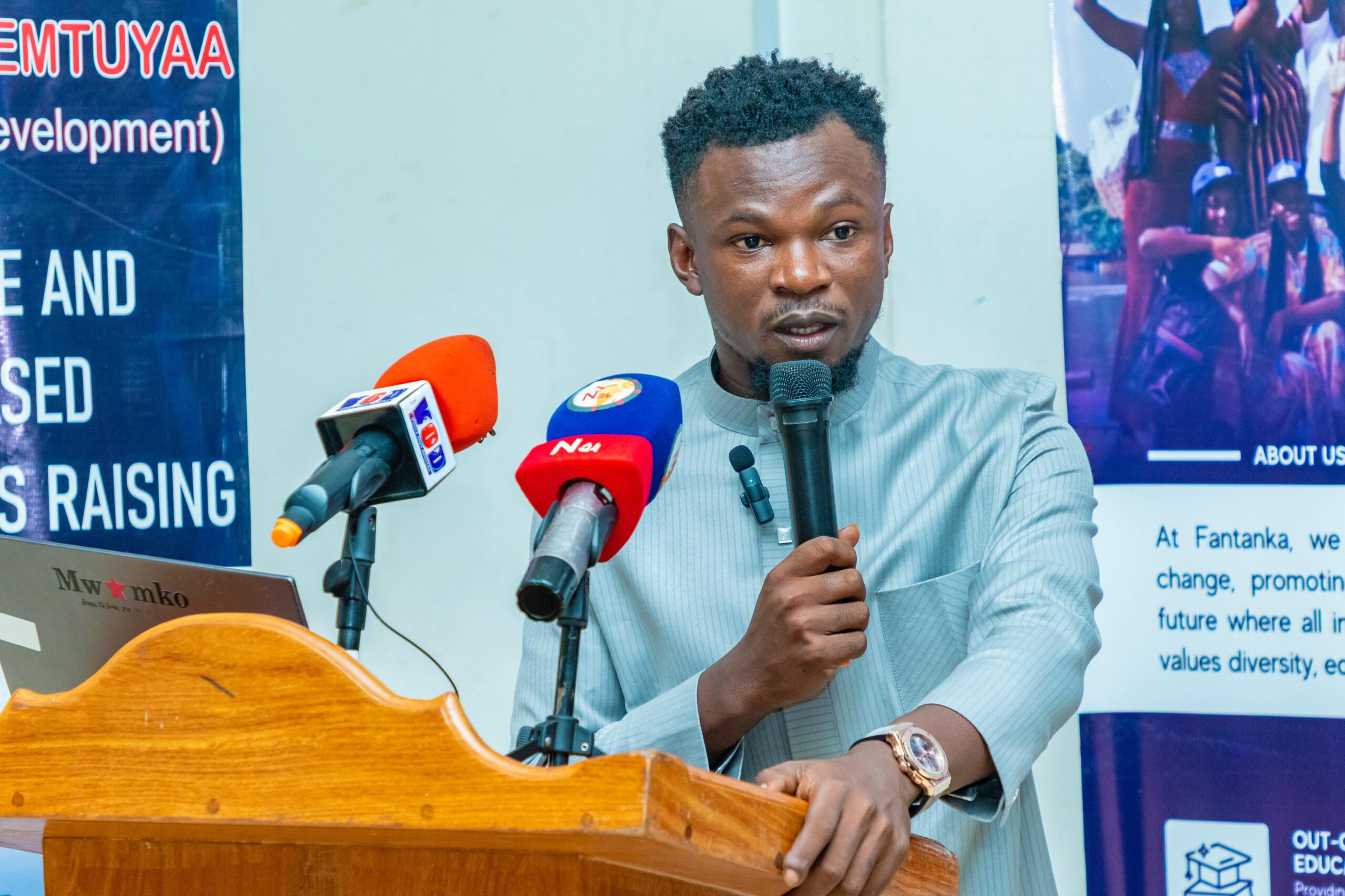
By: Omar Saibo Camara
Migration is not just driven by the movement of people; it is inspired and driven by narratives, usually on false promises of better jobs and livelihood. In recent years, it is evident that how people desire and prepare to take the irregular route through deserts and seas is greatly influenced by the types of information and narratives spread in the news. Disinformation across social media, including WhatsApp groups, TikTok, and other platforms. From The Gambia to the wider West African region and across Europe, migration is not just driven solely by physical movement; it is profoundly shaped by narratives, information flows, and perception. The report argues that disinformation circulating through social media significantly shapes irregular migration decisions, disproportionately exposing vulnerable citizens to physical, psychological, and economic harm.
In many countries of origin, such as The Gambia, migration is often a personal adventure. Almost every family, society, or community has a unique story to narrate about a relative who attempted the “backway” and had either died on the route, successfully entered Europe, or returned home with huge physical, psychological, and economic marks of a journey built on false promises. Social media videos portray Europe as a place of guaranteed jobs, dignity, and instant success. These stories rarely reflect reality. Many are carefully curated by smugglers and traffickers who profit from deception, using hope as bait. This is highlighted by the World Migration Report 2022, which indicates that disinformation on migration is not just an isolated false narrative; these stories are often created and produced through well-coordinated campaigns that involve networks of bad actors, including political movements, states, corporations, and individuals who deliberately manipulate public opinion for ideological, political, or financial gain. These campaigns operate across multiple platforms, creating a cumulative effect through repetition and amplification.
As a result, young people would, in most cases, make lifelong decisions based on this unverifiable information. It is important to note that disinformation survives faster in contexts where there is a high rate of unemployment, a lack of trust in public institutions, and difficulty in accessing accurate information. When governments and interest groups fail to offer transparent communication about migration, disinformation sharpens the route.
In West Africa, the problem is scaling up, because the issue of migration is framed through extremes; migrants are either called heroes for remittances or called out for simply abandoning their countries. This narrative distorts the real systemic and structural issues, such as broader governance failures, youth exclusion, uneven government opportunity, and weak democratic space. A 2025 peer-reviewed study on West African migration noted that digital media, particularly social media, has reshaped and repositioned the migration imaginary. This comes in the form of images of success abroad, which, even when selective and misleading, reinforce the belief that migration is both inevitable and a profitable venture.
As someone that lived and studied in Europe, disinformation on migration does not only affect Africans. In Europe, migration has become one of the most manipulated political issues of the digital age. False claims of “invasions,” exaggerated crime statistics, and alarmist rhetoric dominate public discourse, even when evidence points in the opposite direction. Migration is transformed from a manageable policy issue into a permanent emergency. This phenomenon has been highlighted in the World Migration Report 2022 – Chapter 8: how migration is often framed as a crisis, an invasion, or a burden, particularly during periods of increased arrivals, as during the 2015-2016 refugee movement in Europe. The European media continue to prioritize migrant stories on crimes, disorder, and instability rather than true and factual narratives on their experiences and human realities in countries of destination, such as homelessness, abuse, and death when trying to escape racism and exploitation.
What is often overlooked is that the same information ecosystem fuels both sides of the migration story. From the country of departure or origin, disinformation amplifies hope and confidence for us, while in the destination, it sells fear and desperation, often pushing migrants to leave by false and deceptive means and arriving in hostility and rejection built and fueled on disinformation. This has serious consequences on human security and broader democracy in both the country of origin and the destination.
Therefore, until the issue of disinformation is well addressed, migration governance cannot be effectively and efficiently addressed as a core transnational democratic challenge. Solutions such as awareness raising and border management and control would remain inadequate; what is needed is a deliberate effort to reclaim the information space.
Governments should invest in providing accurate, transparent, and effective communication about migration risks, limitations, and realities without exaggeration or denial. The media must ensure accurate migration reporting by investing in verification and context. And citizens must be equipped with media literacy skills that allow them to distinguish evidence from manipulation.
Migration is a human right, and it will continue to shape our interconnected world. Therefore, it must not be informed, inspired, and fueled by false narratives and misleading stories. The issue of migration should be shaped by truth, dignity, and democratic accountability. If we fail to tackle the false narratives that drive migration, we are not only risking losing human lives at sea and in the desert but also the integrity and value of democracy.