By: Alieu Ceesay
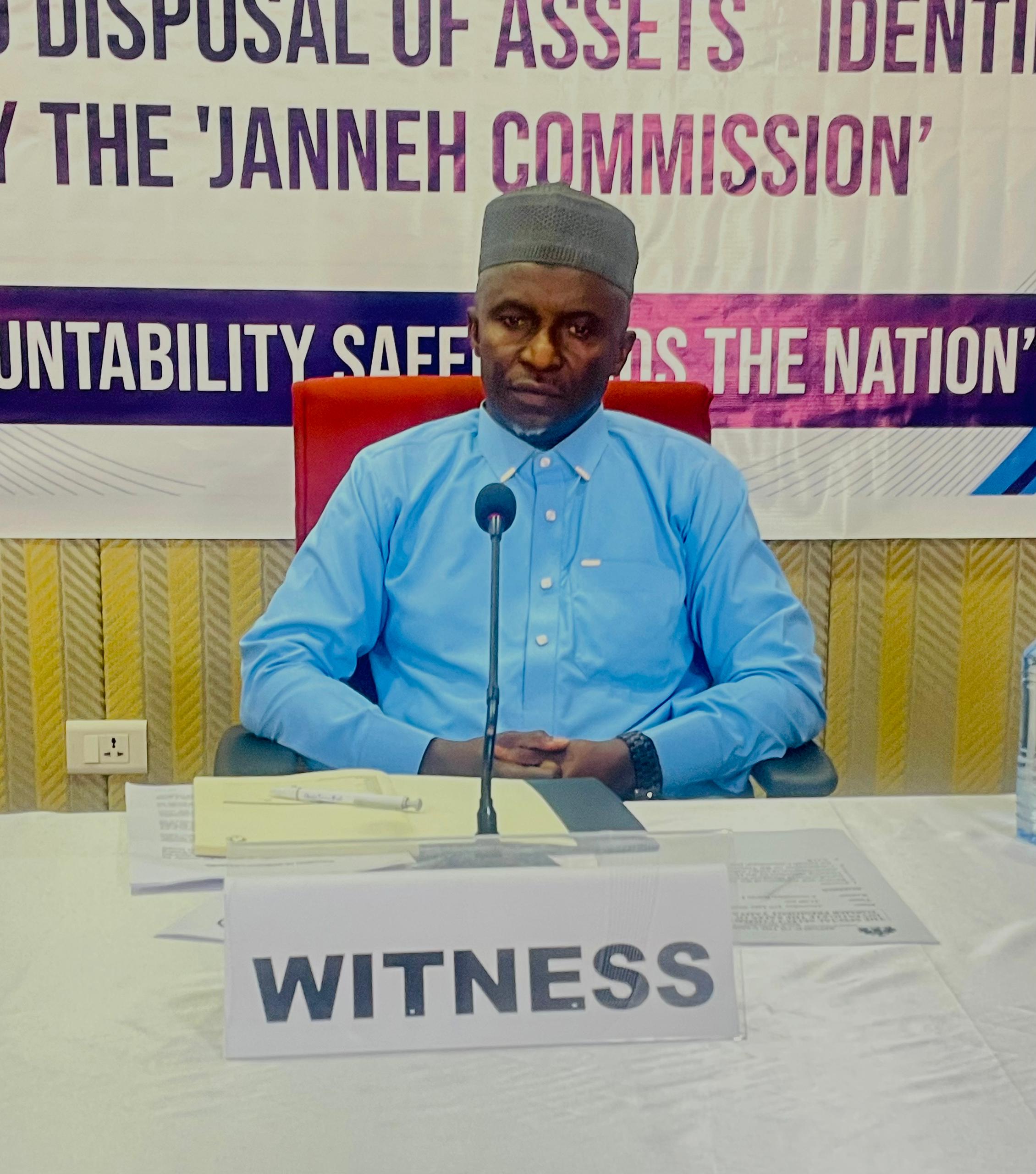
Momodou L. Kassama, Director of the Department of Parks and Wildlife since 2014, appeared before a Select Committee of National Assembly Members (NAMs) to discuss the management of wildlife assets linked to former President Yahya Jammeh. The Department of Parks and Wildlife, a key government entity, oversees the country’s wildlife estates, encompassing all free-ranging vertebrates—terrestrial, aerial, arboreal, and marine—weather in protected areas, captivity, or roaming freely.
The hearing centered on a 2017 High Court order issued on May 22, which vested custody and control of the former president’s wildlife assets to Kassama’s department. This order stemmed from measures the Gambian government took to preserve the assets of Jammeh, his family, and associates pending a commission of inquiry into their wealth. The government sought to safeguard movable and immovable assets, including a diverse collection of wildlife housed at Kanilai, the former president’s hometown.
However, Director Kassama revealed a startling oversight: he was unaware of the 2017 court order. Despite this, he provided a detailed account of his department’s activities in Kanilai during and after Jammeh’s regime. Kassama described encountering various exotic species at the Kanilai Game Park, including wildebeests, Derby elands, zebras, hundreds of crocodiles, snakes, and hyenas. “We still have an existing staff component unit in Kanilai,” Kassama noted. “As I sit here, I can call them, and they’ll tell me the number of these species.”
Kassama estimated the crocodile population to be in the hundreds, noting their prolific breeding makes precise counts challenging. “We couldn’t say they are 300, 400, or 500 because they keep breeding,” he explained. He highlighted the cultural and artistic significance of particular species, particularly two pythons. “I have caught one myself,” he said, describing how it coiled around his chest. “Whatever spiritual things they do with it, I wouldn’t know. We don’t want to upset that balance.”
The director proposed that if the Kanilai Game Park were fully transferred to his department’s control, it could serve broader purposes rather than remaining an “abandoned location.” He suggested relocating some animals to the Abuko Nature Reserve for public viewing or establishing a snake farming initiative at Abuko. “If the game park is 100% returned to us, we may move these animals,” Kassama said, adding that such moves would require consultations with the Jammeh family to respect their perspectives.
Kassama also addressed the high animal maintenance costs, particularly those associated with the hyenas. He explained that his department collaborates with the Department of Donkeys and Horses to secure food, often using condemned chicken from the National Environment Agency or Food Safety authorities. “We mix it with the condemned chicken and transport it to Kanilai to feed the squawks,” he said. However, he noted logistical challenges, as some condemned chicken intended for Kanilai was instead used at Abuko, complicating feeding efforts. “Hyenas don’t eat chicken,” he clarified, underscoring the complexity of their dietary needs.
The hearing highlighted the department’s efforts to manage the former president’s wildlife assets and the challenges of operating without full awareness of legal mandates. Kassama emphasized his department’s commitment to balancing wildlife conservation with cultural sensitivities while advocating for better utilization of the Kanilai Game Park. The Select Committee’s inquiry is part of ongoing efforts to ensure transparency and accountability in handling assets tied to the former regime, with the public keenly awaiting further developments.