By Fatou Dahaba
The National Assembly has extended the mandate of the Special Select Committee investigating the sale and disposal of assets identified by the Janneh Commission by an additional 90 days, effective from 18 September 2025. The decision, adopted on Tuesday, follows a motion moved under Section 109(2) of the 1997 Constitution and Order 95(5) of the National Assembly’s Standing Orders.
The Special Select Committee, established on 14 May 2025 during the First Extra-Ordinary Session, was tasked with probing the disposal of assets forfeited to the state following the Commission of Inquiry into the financial activities of public bodies under former President Yahya A.J.J. Jammeh. Initially granted a 120-day mandate, the committee’s work has uncovered a broader scope of evidence, necessitating the extension.
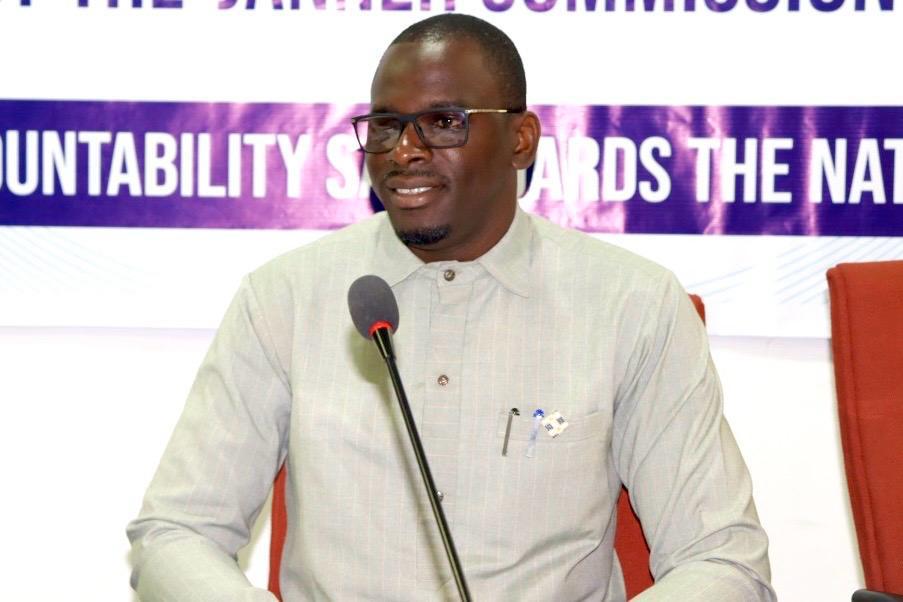
Hon. Abdoulie Ceesay, chairperson of the committee, presented the motion, emphasizing the complexity of the investigation. He noted that the committee has reviewed extensive documentation, analyzed intricate financial transactions, conducted site visits, and held numerous public hearings. “The scope of evidence has significantly expanded,” Hon. Ceesay stated, adding that new witnesses and critical documents have emerged, requiring additional time to ensure thoroughness, accuracy, and fairness in the committee’s findings.
The resolution authorizes the committee to continue summoning witnesses, requesting documents, and exercising its powers until 16 December 2025, when it must submit its final report to the Assembly.
The debate on the motion sparked discussions on the committee’s remuneration. Hon. Lamin Ceesay, member for Kiang West, underscored the investigation’s scale, involving nearly $2 billion in assets. He argued for compensating committee members to ensure impartiality and independence, stating, “We are investigating people involved with hundreds of millions of Dalasi. Committee members should be protected to do this job fairly.” He criticized the lack of discussion on allowances, warning that such inquiries could recur without proper support.
However, the proposal for additional remuneration faced opposition. Sulayman Saho, member for Central Badibou, demanded more transparency on the committee’s progress, questioning why an extension was needed without specific details on unmet objectives. “You cannot just say you want an extension; tell us what you are not able to get,” he argued. Saho also opposed additional payments for committee members, noting that parliamentarians are already compensated with sitting allowances. “What else do you want? This is the service we are in,” he said, though he supported staff remuneration.
Alagie Babou Ceesay, member for Sabach Sanjal, echoed Saho’s sentiments, suggesting that remuneration should only be considered if committee members are not receiving sitting allowances.
The extension reflects the Assembly’s commitment to a thorough investigation into the disposal of assets linked to former President Jammeh’s administration. The committee’s work is seen as a critical step toward accountability and transparency in managing state resources. As the 90-day extension begins, all eyes are on the committee’s final report, expected to shed light on the complex financial dealings under scrutiny.