In a striking display of moral courage amid widespread disregard for international law by major powers, the Gambia, a small West African country with no direct stake in the conflict, has taken the lead in holding Myanmar accountable for alleged genocide against the Rohingya Muslim minority.
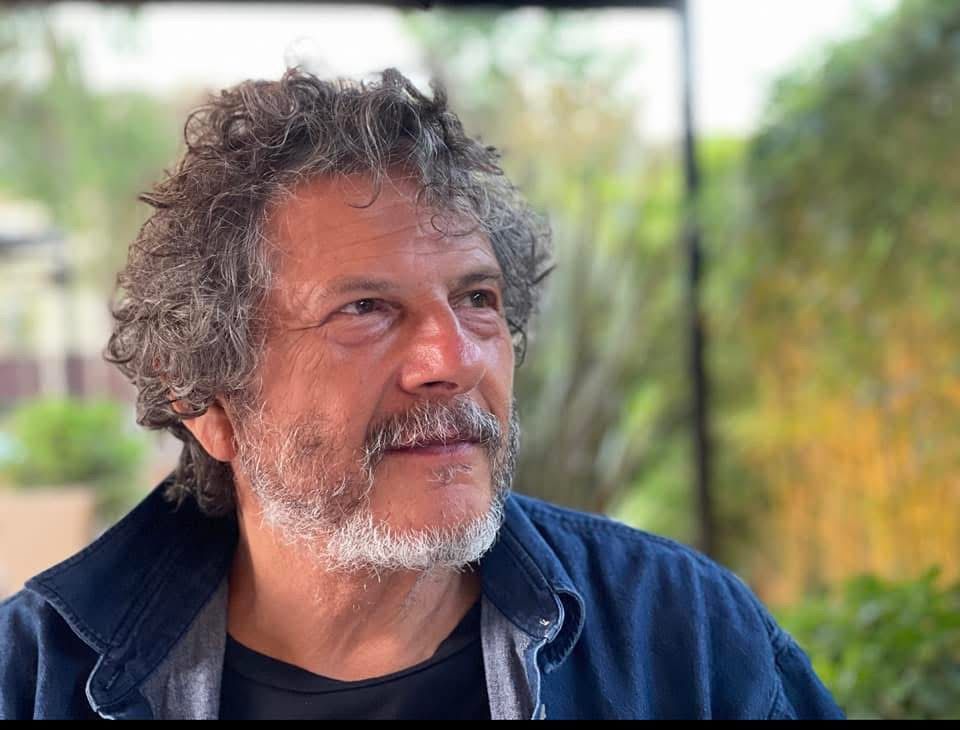
International Human rights lawyer Reed Brody, in a recent BBC interview, highlighted this landmark case before the International Court of Justice (ICJ).
Brody emphasized how The Gambia invoked the 1948 Genocide Convention to protect a persecuted people thousands of miles away, even as powerful states like the US and Russia openly flout or mock international norms.
The case, filed in 2019 on behalf of the Rohingya and supported by the 57-member Organisation of Islamic Cooperation, accuses Myanmar’s military of committing genocidal acts during brutal “clearance operations” in 2016-2017. These operations involved mass killings, widespread rape, arson, and the forced displacement of over 700,000 Rohingya to Bangladesh, with hundreds of thousands remaining in Myanmar facing ongoing vulnerability.
In January 2020, the ICJ issued unanimous provisional measures ordering Myanmar to prevent further genocidal acts, preserve evidence, and submit regular compliance reports. The merits hearings opened on January 12, 2026, in The Hague, marking the first full genocide case heard by the court in over a decade.
The Gambia’s Justice Minister, Dawda Jallow, described Myanmar’s actions as “genocidal policies” aimed at erasing the Rohingya, presenting evidence of systematic persecution, including historical discrimination and the role of hate speech.
Myanmar has rejected the allegations as unsubstantiated, framing its operations as counter-insurgency against terrorism. The proceedings, expected to conclude with a final ruling potentially by late 2026, involve oral arguments, witness testimonies, and interventions from countries including Canada, the UK, France, and Germany.
Brody praised The Gambia’s initiative as a powerful reminder that international law can still serve humanity when major powers fail to act. The case not only seeks justice for the Rohingya but could set precedents for defining genocide in future disputes, including South Africa’s ongoing action against Israel.
This bold move by Banjul, according to legal experts, underscores the enduring principle that genocide concerns all of humanity, offering hope to victims amid global impunity.