By Momodou Gagigo
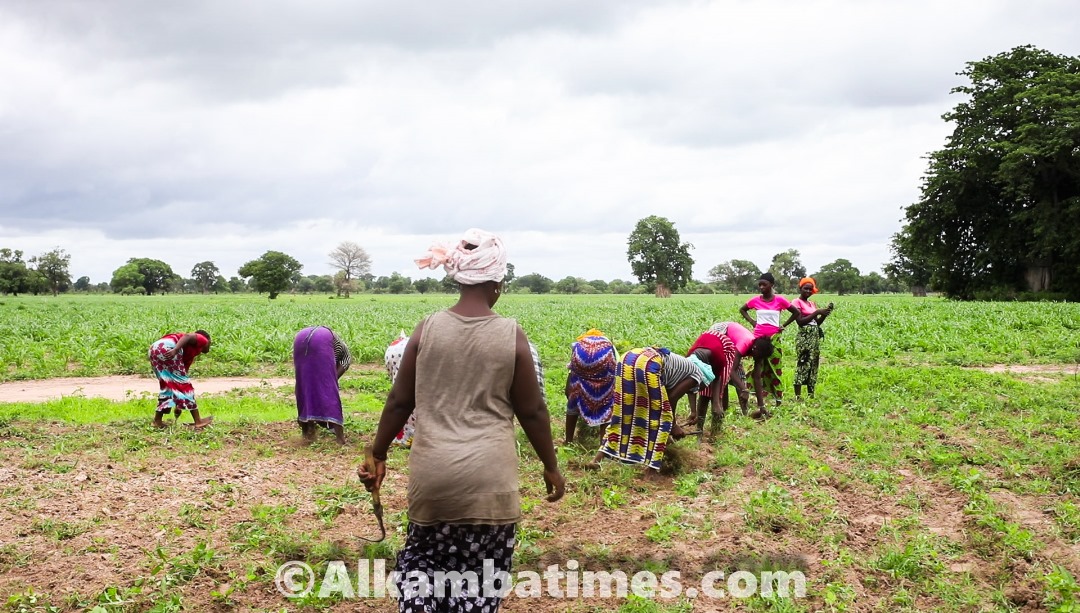
Farmers in Rural Gambia are raising their voices, urging the government to invest in water boreholes and irrigation systems to enable year-round cultivation. This call to action, aimed at addressing the nation’s economic crisis and advancing food self-sufficiency, comes as agriculture remains the backbone of The Gambia’s economy, contributing 25% to GDP and employing roughly 75% of the workforce. Yet, persistent challenges—limited water access, inadequate infrastructure, and climate change impacts—continue to stifle the sector’s potential.
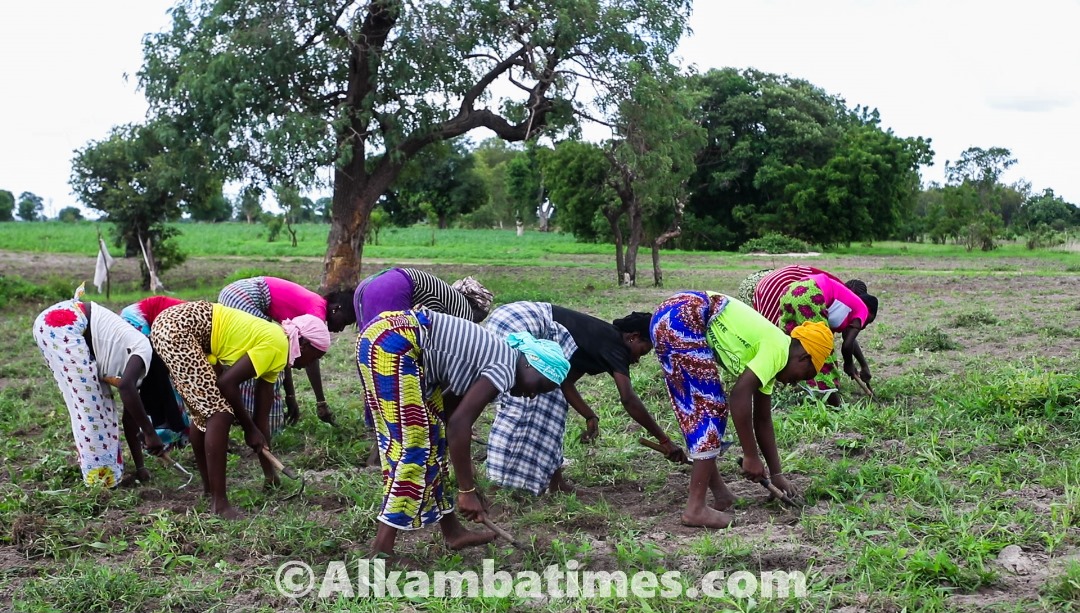
Our correspondent spent a day engaging with prominent farmers in the Lower River Region (LRR) and Central River Region (CRR), where the lack of reliable water sources, particularly during the dry season, emerged as a critical barrier to consistent crop production. For smallholder farmers, who are pivotal to The Gambia’s food security, the absence of boreholes and irrigation systems restricts farming to the rainy season, leaving them vulnerable to food shortages and economic instability.
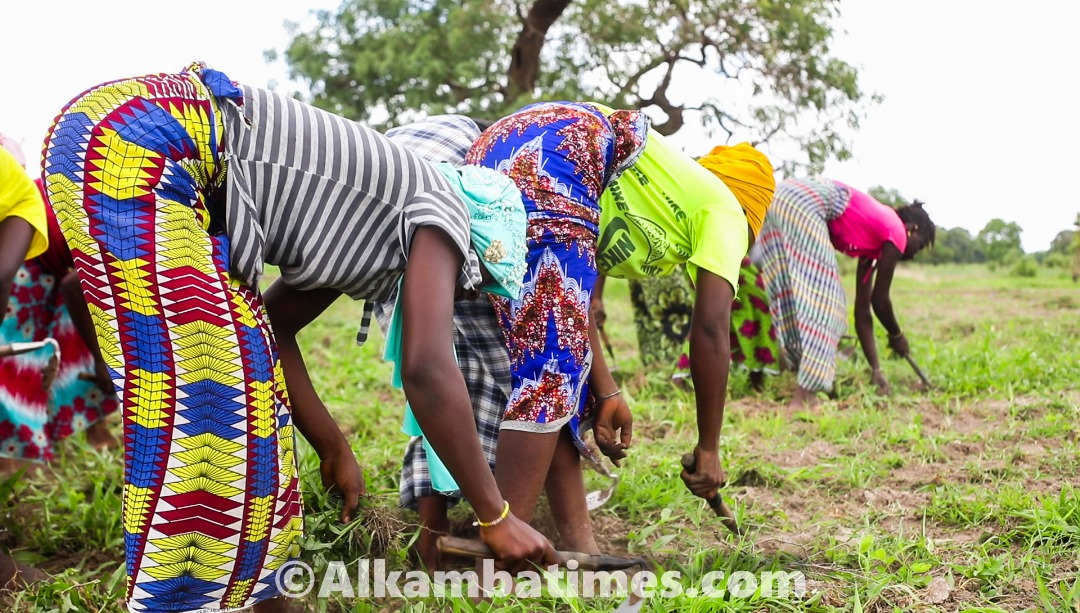
Binta Bah, a farmer from Sinchu Gundo in the CRR, shared her struggles with water scarcity. “It is difficult to cultivate crops in the dry season without a water borehole in our area,” she said. “This makes survival difficult as seasonal rainfall cannot sustain us throughout the year.” Bah’s story reflects a broader issue: reliance on unpredictable rainfall limits farmers to specific growing periods, reducing harvests and income. Without consistent water access, maintaining food security and economic stability remains a distant goal.
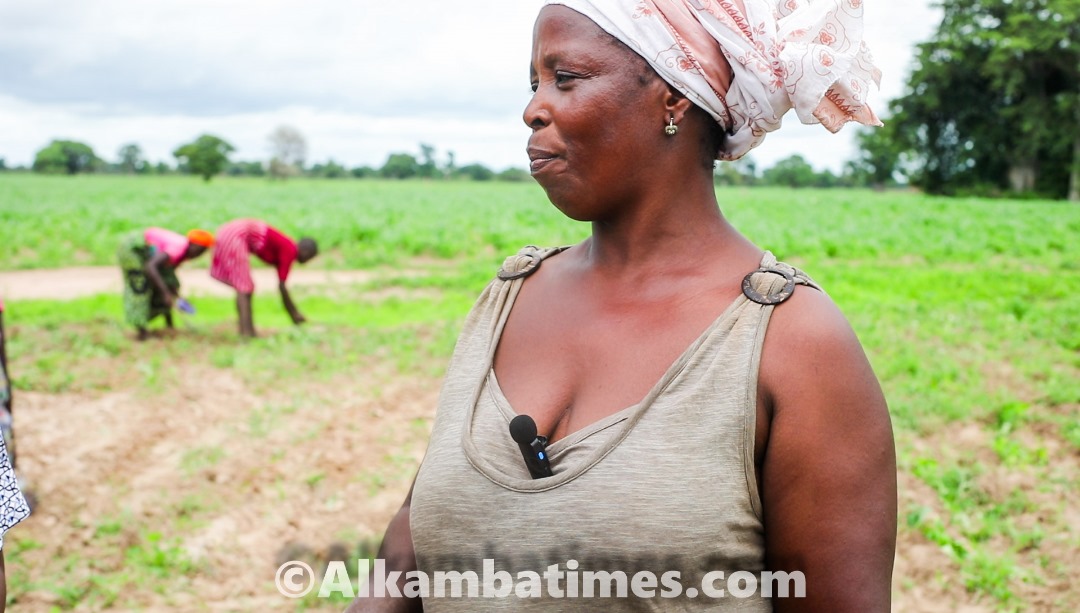
The challenges extend beyond water. Smallholder farmers face limited access to quality seeds, fertilizers, and modern farming equipment, all of which hinder crop yields and productivity. These resource constraints exacerbate the difficulties posed by climate change, which brings erratic weather patterns and prolonged dry spells. For many, the inability to farm year-round not only threatens their livelihoods but also undermines The Gambia’s ambition to achieve food self-sufficiency.
Pateh Sey, a farmer from Tattimayel in the Niamina East District of the Central River Region, emphasized the transformative potential of year-round cultivation. “If you are a year-round farmer, you become absolutely powerful,” Sey said. “You can practice seed banking and provide yourself with the facilities needed to excel.” He argued that consistent farming would enhance food availability, affordability, and accessibility while fostering competition in local and international markets. By enabling farmers to grow crops throughout the year, the government could empower rural communities, reduce poverty, and bolster the national economy.
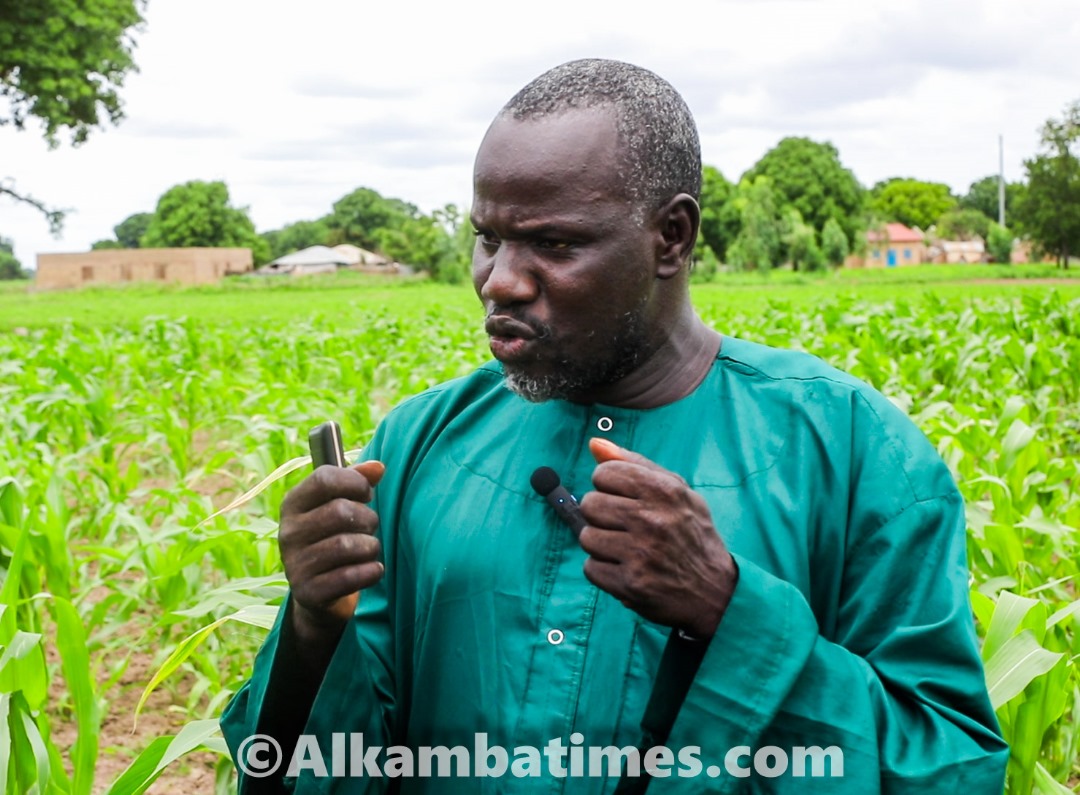
Abdoulie Dem, a farmer from Bodewel Village in the LRR, echoed these sentiments, calling for urgent government intervention to address the food crisis. “The fastest and easiest way to eradicate food crises is to support farmers, especially vulnerable ones in rural areas,” Dem said.
“The labor is intense, but we are resilient. Let the government invest in irrigation systems and sustainable practices to support crop production year-round. That way, there would be no scarcity of food in the market.” Dem’s plea underscores the need for practical solutions to ensure food security and economic resilience.
Farmers are not just asking for water boreholes. They are advocating for a comprehensive approach to agricultural development. Access to quality seeds and organic fertilizers could boost crop yields, while improved rural roads, transportation networks, and storage facilities would reduce post-harvest losses and increase farmers’ incomes. Such investments would not only enhance productivity but also make farming a more viable and sustainable livelihood for rural communities.
The government’s role in addressing these challenges is critical. Agriculture’s significant contribution to The Gambia’s economy demands targeted policies to modernize the sector. Developing sustainable irrigation systems, as Dem suggested, would allow farmers to cultivate crops during the dry season, stabilizing food supply and prices. Improved market access and infrastructure would further ensure that farmers can transport and store their produce efficiently, minimizing waste and maximizing profits.
The farmers’ call to action is clear. By prioritizing water boreholes and irrigation systems, the government can unlock the potential of year-round cultivation, paving the way for food security and economic growth. Supporting rural farmers, particularly smallholders, would not only address immediate food crises but also position The Gambia as a competitive player in agricultural markets. As Binta, Pateh, and Abdoulie emphasized, the time for action is now—investing in agriculture is investing in The Gambia’s future.