By: Kebba Ansu Manneh
As irregular migration via the “backway” to Europe continues to draw young Gambians from rural communities, scores of emerging youth entrepreneurs in agriculture are highlighting a persistent obstacle: limited access to funding and support. Young farmers in the Lower River Region (LRR), Central River Region-North (CRR-N), and Upper River Region (URR) told The Alkamba Times (TAT) that despite their enthusiasm, energy, and available land, the lack of capital prevents them from scaling operations, adopting modern techniques, and contributing to national food self-sufficiency.
This challenge comes amid broader efforts to engage youth in agriculture as an alternative to risky migration. Observers argue that channeling resources into youth-led farming and value-chain enterprises could address the root causes of the exodus, including high rural poverty, youth unemployment, and limited economic opportunities.
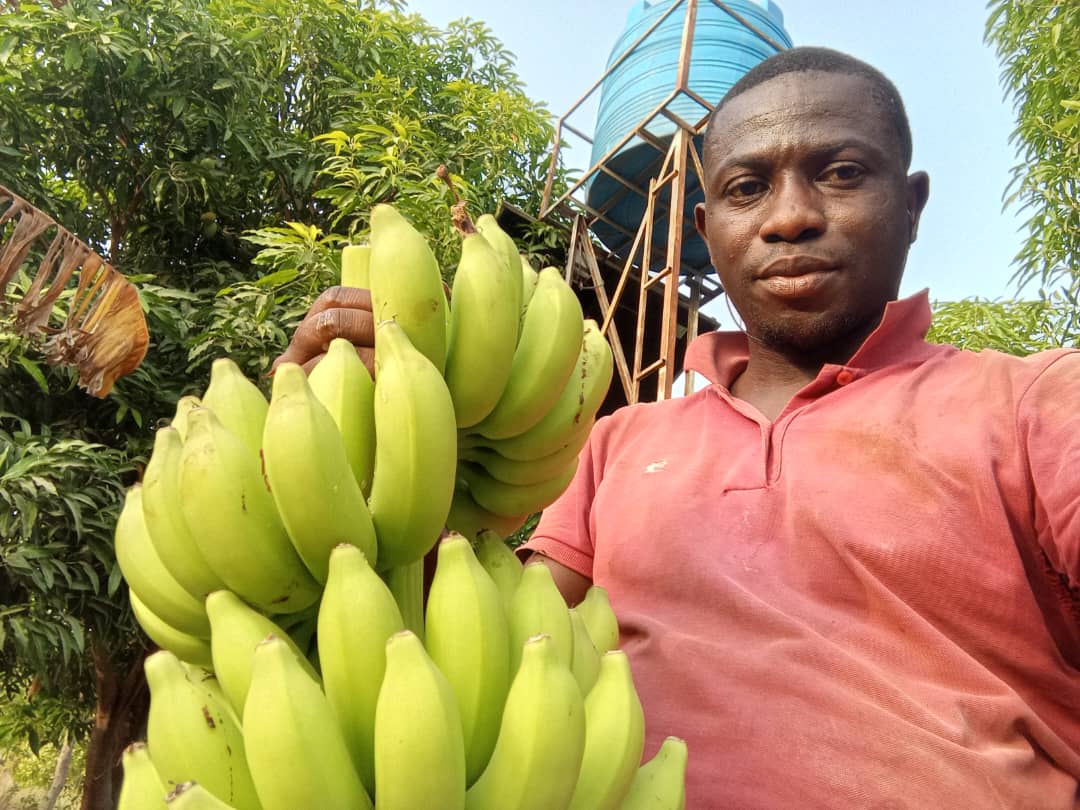
Abdoulie Bah, a youth entrepreneur from Pakalinding in the Lower River Region, drew inspiration from agricultural activities he observed during travels to Bissau, Guinea-Bissau; Dakar, Senegal; and Douala, Cameroon. Motivated by these experiences, he returned to his village and established a four-hectare orchard. However, expansion remains stalled due to insufficient capital.
“The biggest challenge we, the youths, are facing is definitely a lack of support and funding,” Bah said. “We are not short of land and the energy to engage in agriculture and ensure food self-sufficiency for the country, but we cannot because there is little or no support for emerging youth farmers and entrepreneurs.”
Bah pointed out the visible presence of project vehicles in rural areas, suggesting significant resources are being spent without reaching those who need them most. He noted that many rural youths, including himself, have applied for matching grants under the Resilience of Organizations for Transformative Smallholder Agriculture Project (ROOTS)—an IFAD-supported initiative aimed at boosting smallholder resilience, particularly for youth and women—but applications are frequently rejected. Meanwhile, he alleged that funds sometimes go to others who fail to deliver results.
“Many projects have failed to deliver because of mismanagement and inequitable distribution of funds to those who truly need them,” Bah added. He believes that if the government and stakeholders properly direct resources to youth in agriculture, the allure of the backway journey could diminish significantly.
Bah appealed for funding to expand his orchard, construct a concrete perimeter fence, and install a borehole to reduce the daily struggle for water. He urged fellow rural youths to spend less time at “attaya baradas” (tea circles) and instead venture into farming to generate wealth and achieve independence.
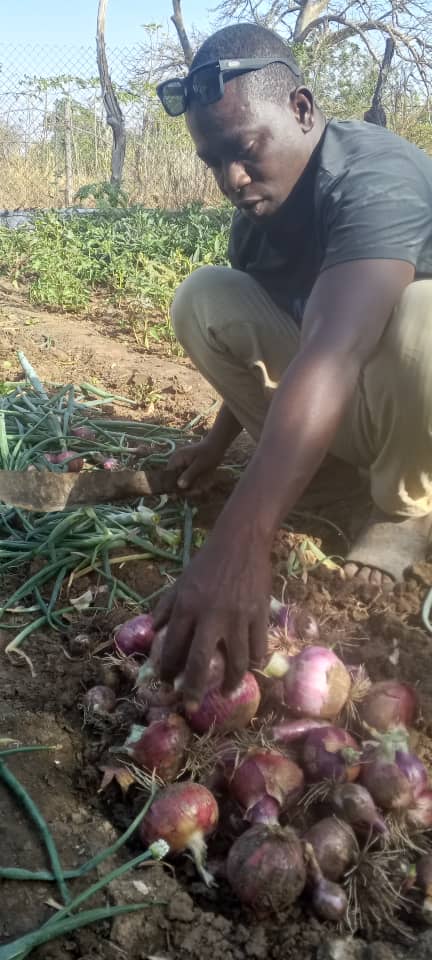
Similar frustrations echo in other regions. Mamudu Jaiteh, from Kaur Janneh Kunda, emphasized the need for a borehole and water distribution system to boost productivity in his garden. As a person with a disability, Jaiteh views gardening as a path to self-reliance and a dignified livelihood for himself and his family.
“I am inspired to venture into gardening because I am convinced that it is only through this venture that I can make a decent living,” Jaiteh explained. “As you can see, I am disabled, and I don’t want to be among those going on the streets to beg when I can at least make five to ten vegetable beds and make some money for myself without resorting to begging.”
He called on government and donor agencies to prioritize support for disabled youth farmers to reduce begging and dependency. “Most disabled farmers are not even considered or funded by projects operating in rural communities—this situation should be reversed to improve livelihoods.”
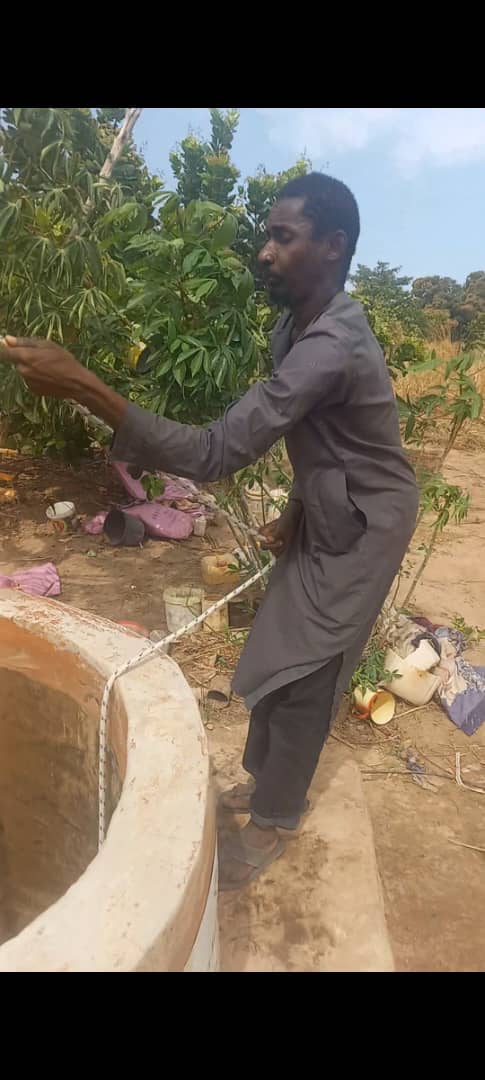
In the Upper River Region’s Sandu District, Demba Njie of Diabugu Batapa faces comparable hurdles. After years of effort in gardening, progress has stalled due to funding shortages for essentials such as borehole repairs, solar water systems, proper fencing, and market access for produce.
“I have written to many projects providing support to farmers, but still, I don’t get anything,” Njie said. “Definitely, I could have been at another level after five years of gardening, but the lack of funds to repair my solar system that provides water and construct fencing has been my major challenge.”
Njie observed that many emerging farmers abandon their ventures after initial trials—not from a lack of interest, but because of barriers such as inadequate irrigation, security for gardens, and reliable markets.
Across rural Gambia, other young farmers expressed parallel concerns in interviews with TAT. They urged government officials and project managers to ensure funds reach genuine farmers to maximize the impact of millions of dollars and dalasis invested in agriculture. Equitable distribution, they argue, is essential for achieving tangible results in food security, nutrition, and resilience against climate change.
Initiatives like the ROOTS project’s youth-based matching grants—offering up to USD 7,500 for agribusiness ventures—represent steps forward, with ongoing rounds and application calls. Recent developments, including African Development Fund grants and FAO-supported training, aim to expand opportunities in agriculture and related sectors. Yet, many rural youths feel these programs fall short in reaching grassroots entrepreneurs.
As The Gambia grapples with rising food insecurity, severe rural poverty, and the push factors driving migration, empowering young farmers through accessible finance, infrastructure, and inclusive support remains critical. Youth entrepreneurs stand ready to transform agriculture into a viable path to prosperity—if the funding barriers can finally be overcome.