By: Sainabou Sambou
The Team Gambia Grand Coalition has unveiled a nine-point agenda focused on constitutional reform, increased women’s representation in decision-making, expanded diaspora participation, and economic development, promising to lift every Gambian above the poverty line within five years if elected in the December 5, 2026, presidential election.
The coalition announced the program at a press conference following its second nationwide tour, during which members engaged communities and sought to raise public awareness of its political vision and proposed reforms.
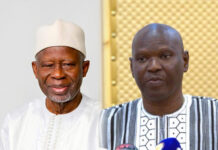
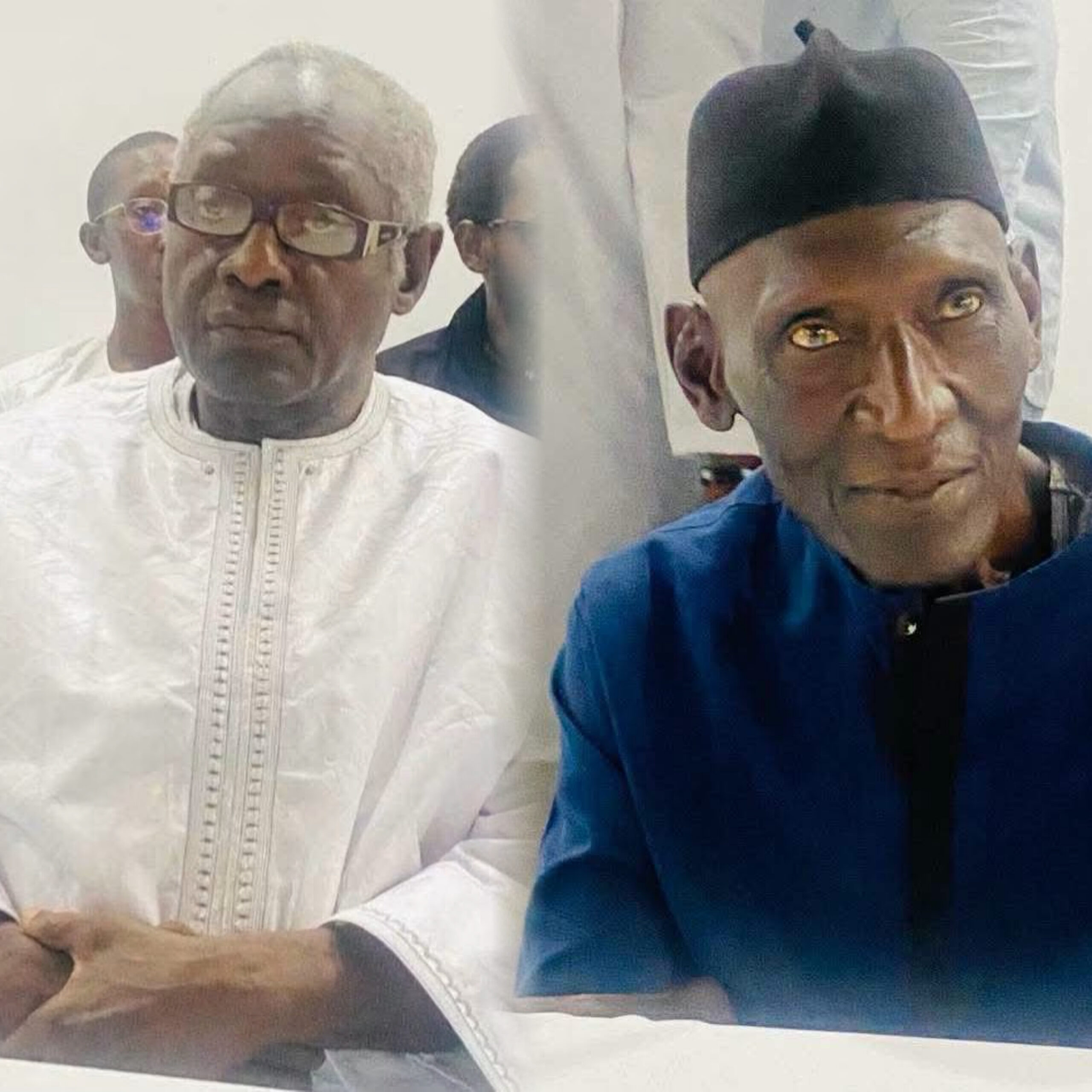
Sidia Jatta, one of the key conveyors of the talks, told the gathering that the challenges facing The Gambia required collective effort from citizens and political leaders. He argued that the country still faces fundamental problems, including poverty, injustice, and ignorance, despite having seen different governments over the past 61 years. He said a broader commitment was needed to address issues affecting citizens and improve living conditions.
Abdoulie Bah, chairperson of the coalition’s campaign committee, briefed journalists on recent activities and outlined major commitments. He said the campaign team completed its second nationwide tour, which focused on public sensitization and strengthening structures nationwide. The tour was organized in phases. The first phase, from October 2 to 8, involved establishing regional structures in Katan and Koinad. The second phase, from October 10 to 15, focused on public sensitization, with the Greater Banjul Area, West Coast Region and Kanifing Municipality still to be covered. A third phase is scheduled for October 22 to 28 as part of continuing community engagement.
Bah said the tours aimed to build awareness of the coalition’s political program, establish its presence nationwide and communicate its vision for national development. He then outlined the nine commitments intended to guide governance if the coalition is elected.
First, it pledged to introduce a new constitution limiting presidents to a maximum of two five-year terms, setting a clear tenure limit and preventing indefinite stays in office. Second, it proposed requiring a presidential candidate to secure at least 50 percent plus one of the valid votes cast to win, ensuring the winner obtains a majority rather than taking office with a smaller share of support. Third, it pledged to promote women’s representation by reserving one-third of positions in the Cabinet, National Assembly and local councils for women through women-only elections.
Fourth, it promised to review restrictions affecting civil servants’ political participation and eligibility for public office. Fifth, it pledged to extend political participation to Gambians in the diaspora, allowing them to register and vote and providing access to public office without discrimination. Sixth, it committed to completing constitutional reforms within 18 months. Seventh, it pledged to review the country’s sovereign assets, concessions and investments to ensure they serve the national interest and strengthen productive sectors. Eighth, it proposed a one-term arrangement for its presidential flag bearer, who would serve one five-year term and then neither seek public office nor take sides in or support a candidate in the next election, allowing a fair contest. Ninth, it pledged to implement a people-centered manifesto grounded in rights, national sovereignty, peace, prosperity, transparency, accountability and integrity.
Halifa Sallah, another prominent member of the team, said the coalition’s objective was to give The Gambia back to its people by ensuring that political power and national wealth serve citizens’ interests. He explained that the vision was not limited to winning an election but involved changing how the country is governed and how resources are managed. Sallah said the coalition had consulted to develop a program that reflects Gambians’ concerns and aspirations.
Responding to journalists, Sallah addressed the one-term arrangement, constitutional reforms and poverty-reduction plans. On the one-term pledge, he said the coalition intended to treat leadership as a public responsibility rather than a means of maintaining political control. He referenced the 2016 opposition coalition that united parties behind a common candidate and helped end Yahya Jammeh’s long rule, emphasizing the importance of clear rules and commitments.
On constitutional reform, Sallah said the coalition aimed to complete the process within 18 months, including the two-term limit and the 50-percent-plus-one threshold, alongside measures to increase women’s representation, expand diaspora participation and review civil-service rules. On poverty reduction, he described a system in which public institutions ensure national resources benefit citizens, highlighting oversight by the Auditor General, community monitoring and agricultural investment. He also stressed the diaspora’s economic importance and the need for political rights beyond remittances.
Sallah indicated that the coalition expected to announce its flag bearer between October 28 and 30.