By: Momodou S Gagigo
As the humid winter breeze carries the scent of ripe fruit across the rural Upper River Region, watermelon farmers watch helplessly as their hard-earned harvests rot in the sun. What should be a season of celebration has become a bitter reminder of systemic neglect in one of The Gambia’s most promising agricultural sectors.
Watermelon production has surged in recent years, transforming the fruit into a major cash crop rivaling groundnuts. Street vendors hawk the bright red flesh from roadside stalls, and families across the country rely on it as an affordable, hydrating treat. Yet behind the scenes, oversupply has driven prices down, leaving farmers unable to sell their produce before it spoils.
Moddi Ceesay, a seasoned watermelon farmer from the Upper River Region (URR), described the annual cycle of frustration. “We invest everything—time, money, sweat—into growing a good harvest,” he told The Alkamba Times. “Then the market floods, prices drop to nothing, and we’re left throwing away what we can’t sell. It’s heartbreaking.”
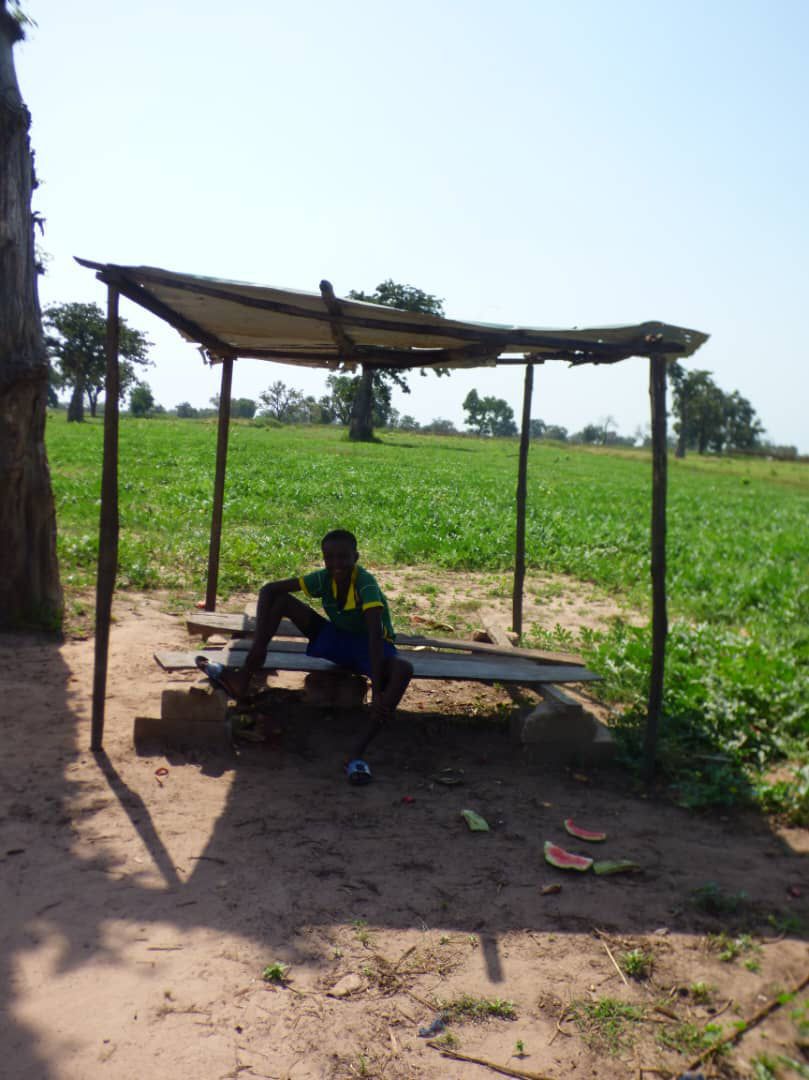
Experts estimate that post-harvest losses in watermelon can exceed 40 percent during the peak season due to the lack of cold storage, refrigerated transport, and even basic preservation techniques. The fruit’s high water content makes it especially perishable, and without rapid intervention, much of the crop ends up in dump sites.
Watermelon is more than a popular snack; it is a nutritional powerhouse. Rich in vitamins A and C, potassium, lycopene, and antioxidants, the fruit supports hydration, digestive health, and may help reduce the risk of heart disease and certain cancers. In a country where malnutrition remains a persistent challenge, the waste of such a valuable food source is particularly tragic.
Agricultural scientist Dr. Lamin Jobe emphasized that simple, low-cost preservation methods could make a significant difference. “Techniques like sand preservation, dehydration, or even small-scale refrigeration can extend shelf life dramatically,” he said. “With training and access to affordable equipment, farmers could store their produce for weeks or months and sell when prices recover.”
Economists and stakeholders are calling for urgent government action. Isatou Njie, an agricultural economist, stressed the broader economic impact. “Watermelon has the potential to be a major driver of rural income and employment,” she said. “But without storage facilities, reliable markets, and improved transportation, the sector cannot grow.”
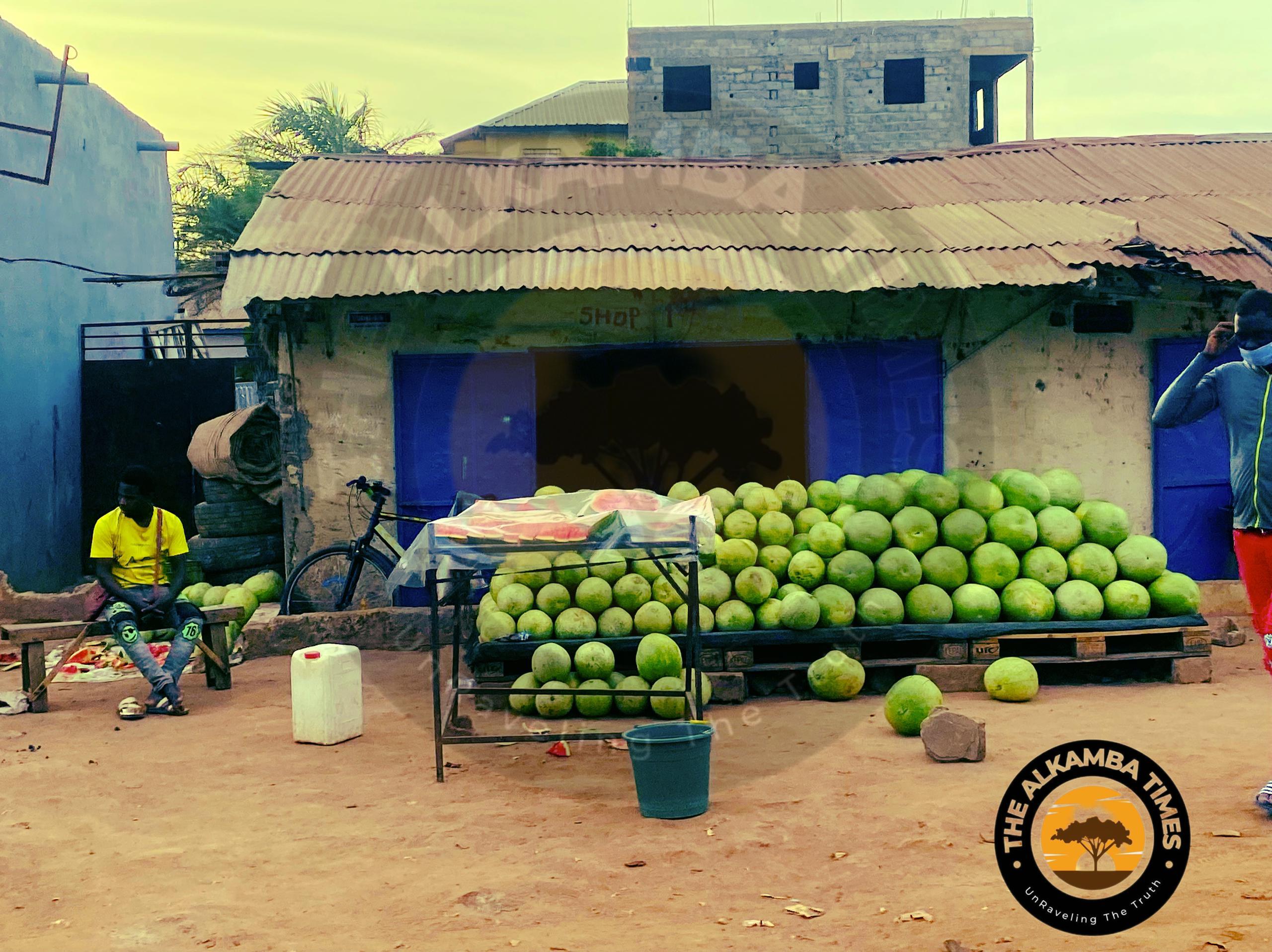
Dr. Ousman Gagigo, another economist, pointed to a fundamental barrier: energy. “The high cost and unreliable supply of electricity make it nearly impossible for private investors to build viable cold storage businesses,” he explained. “Until we address the energy crisis, preservation infrastructure will remain out of reach.”
Dr. Gagigo also highlighted the missed opportunity for local value addition. “The Gambia imports large quantities of processed fruit products—juices, jams, dried fruit—while our own melons rot in the fields. Investing in processing and packaging could reverse our trade deficit, stabilize the dalasi, and lower the cost of living.”
Farmers and experts agree that the solution lies in a comprehensive approach: government-funded storage facilities, training in preservation techniques, incentives for climate-smart farming practices, and investment in rural roads and markets. Such measures would not only reduce waste but also create jobs, boost incomes, and improve food security.
For now, the sight of rotting watermelons remains a painful symbol of untapped potential. With the proper support, The Gambia’s watermelon abundance could become a source of prosperity rather than a source of frustration—turning a seasonal crisis into a lasting economic opportunity.