By: Alieu Ceesay and Momodou Gagigo
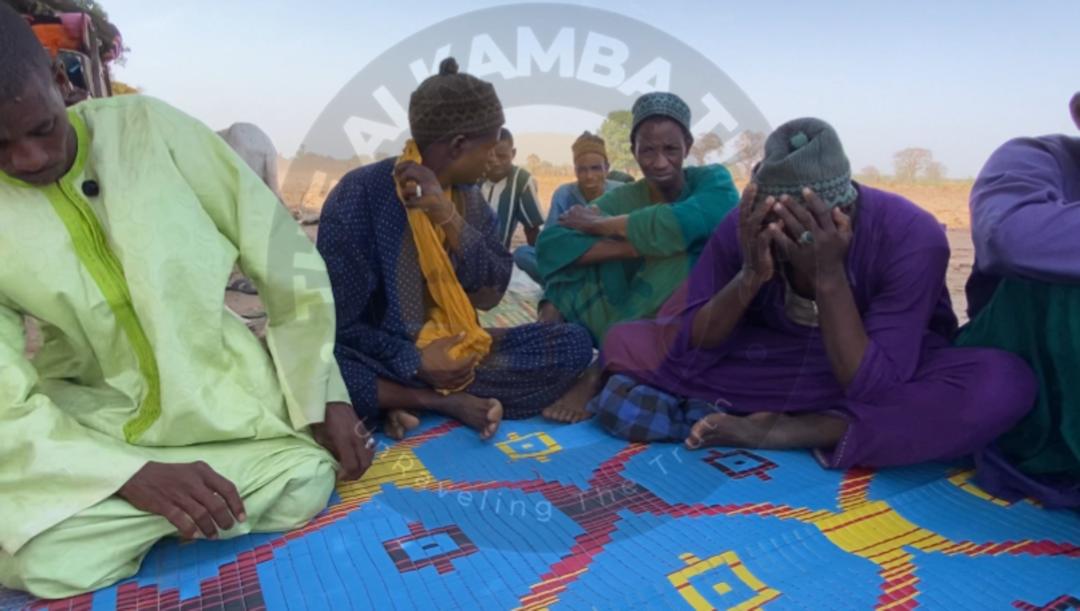
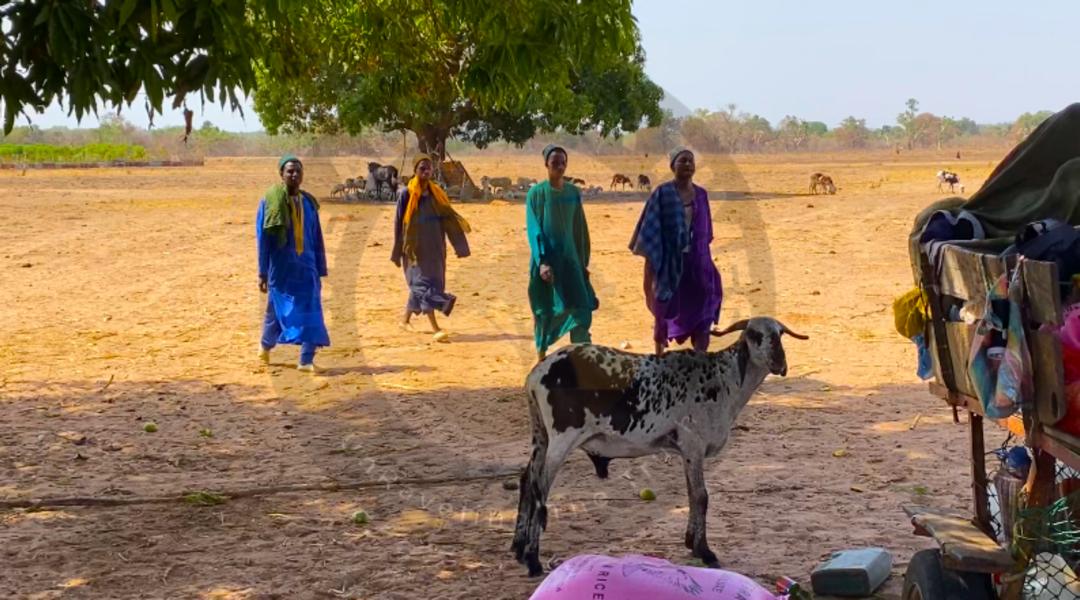
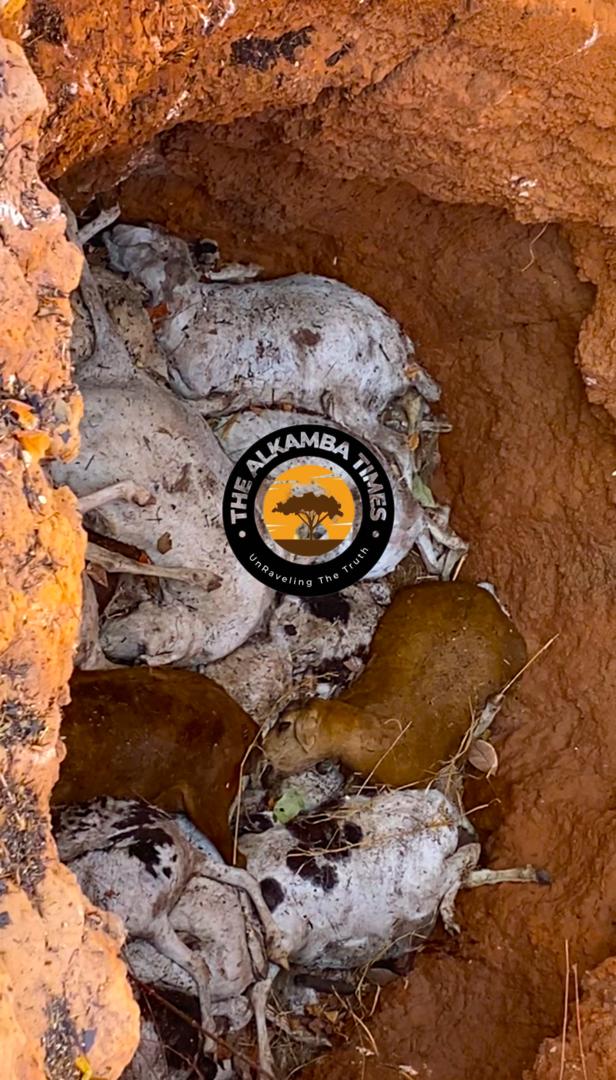
As Tobaski, the joyous Eid al-Adha festival draws near, a sacred time when sheep symbolize faith, sacrifice, and economic survival, herders who routinely graze their animals across the porous border between The Gambia and Senegal are reeling from a devastating blow. More than 275 sheep have reportedly perished after consuming leaves suspected to be poisonous, dealing a severe setback to families who depend almost entirely on livestock for their income and leaving many livelihoods hanging by a thread.
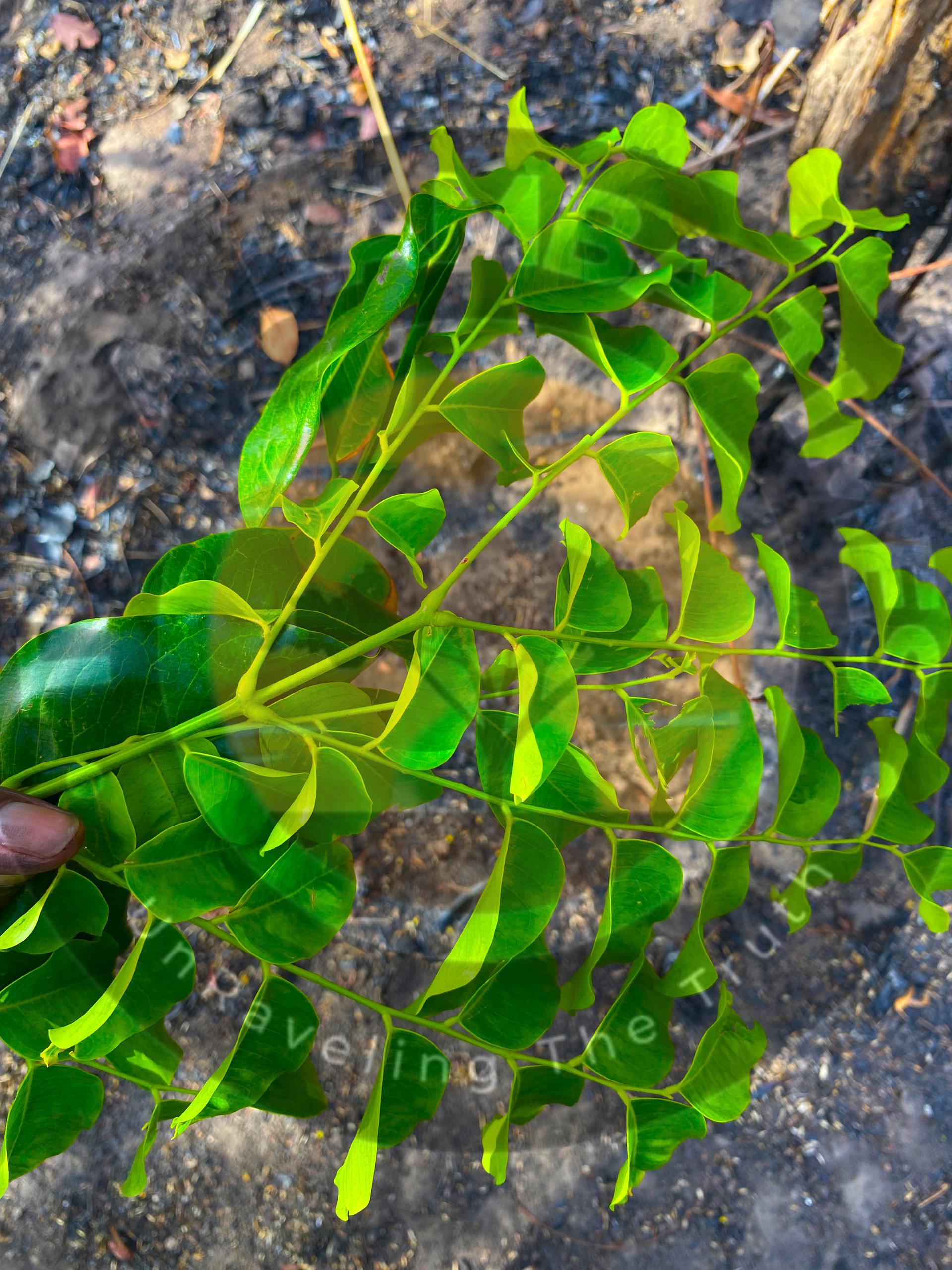
The incident has sent shockwaves through the affected communities. Herders described the deaths as sudden and heartbreaking. According to eyewitness accounts, the animals began exhibiting alarming symptoms shortly after grazing: swollen abdomens, excessive frothy discharge from the mouth, loss of appetite, extreme fatigue, and eventual collapse. Many died within hours, leaving herders helpless as they watched their valuable animals perish one after another.
Cross-border grazing is a long-established practice in the region, allowing herders to move freely between The Gambia and Senegal in search of better pasture, especially during the dry season. However, this tragedy has raised serious concerns about the safety of unfamiliar grazing grounds. Many herders say they had no prior knowledge of or warning about toxic vegetation in the areas they recently entered.
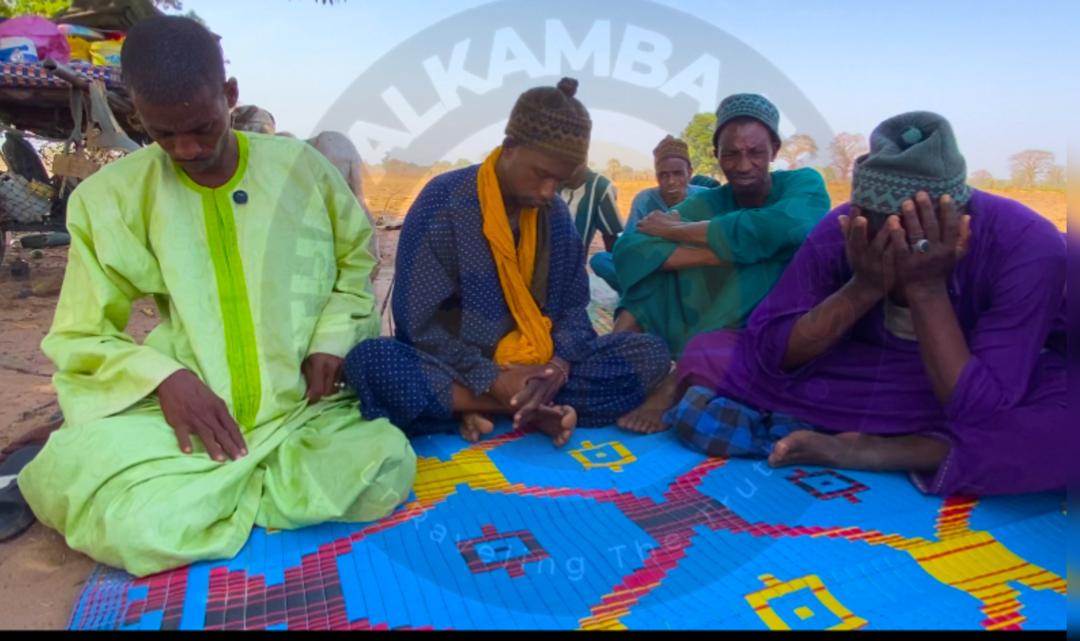
During a visit by The Alkamba Times correspondents to Dongoroba village, the affected herders were seen resting under the shade of a large mango tree on a windy, sunny afternoon. The surrounding environment told its own story—patches of lush grassland stood in contrast to areas scorched by recent bushfires, highlighting the challenges of finding safe, sufficient pasture.
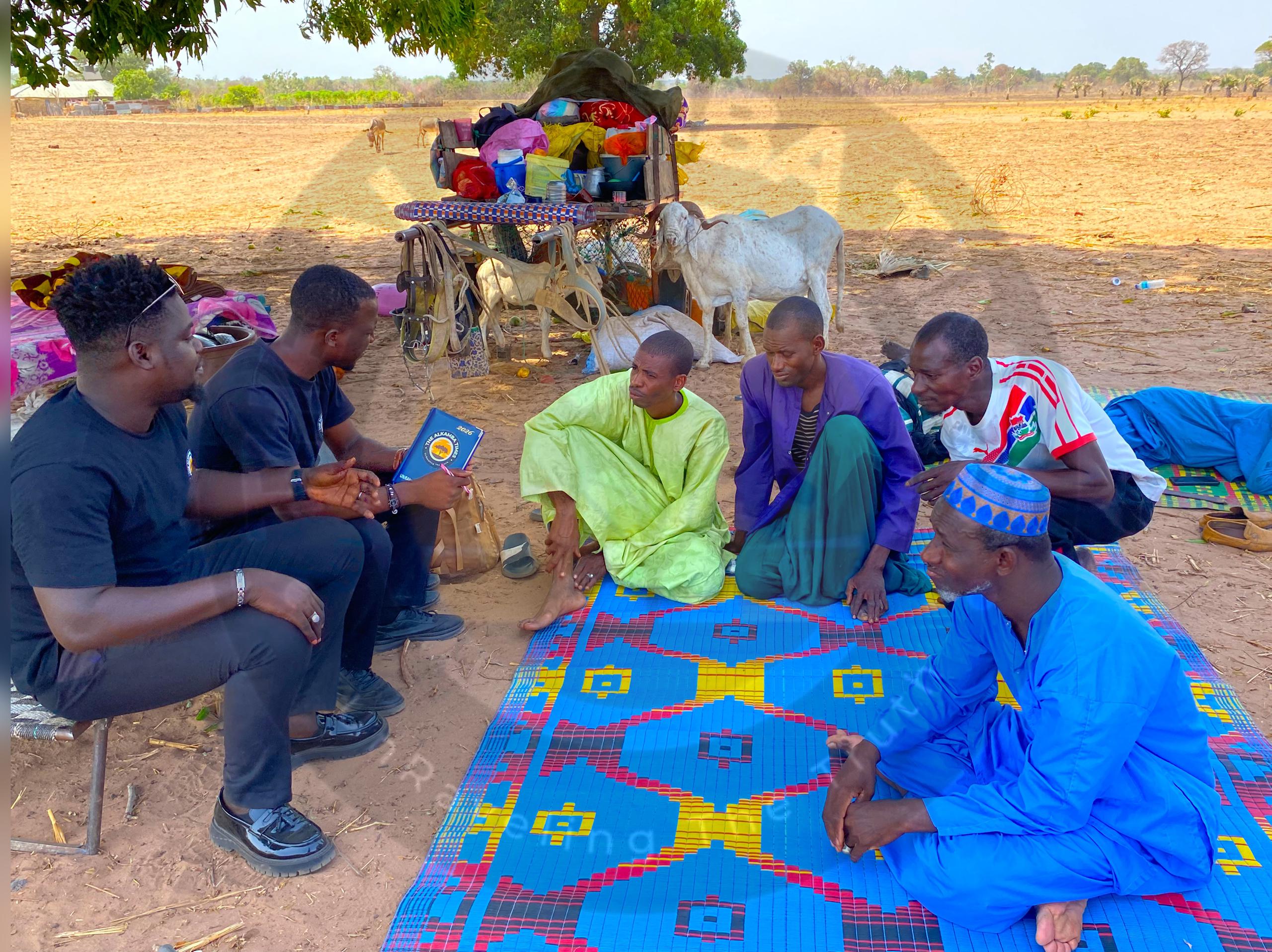
Musa Jallow, one of the herders, described the incident with resignation, calling it “God’s doing.” “We just take everything that happened with good faith as we have no control over God’s doings,” Jallow said solemnly.
He added with visible pain: “We watched our livelihood die right before our eyes.”
Jallow appealed to Gambian authorities to launch a thorough investigation and sensitize farmers and herders about potential dangers in grazing zones to prevent similar disasters. “This will make livelihood very challenging as Tobaski is approaching. This is all we have to sustain our families,” he stressed.
Mamadou Bah, another affected herder, echoed the despair. As he spoke, more sheep continued to show signs of distress. “I cannot even establish my faith for Tobaski. The sheep keep perishing helplessly,” Bah lamented.
A short while after the reporters’ arrival, a slaughtered sheep was brought into the gathering on a motorbike. It was believed to be one of the animals affected by the suspected poisonous leaves, with butchers quickly intervening to salvage whatever value remained.
Gibril Sowe, fighting back emotions, called on the government for urgent assistance. “Life will be very challenging going back to Senegal with almost nothing. This is absolutely painful, but we have no choice but to remain faithful to Allah, as He is in control of everything,” Sowe said.
“No, we call on the Gambian government to support us and restore our hopes,” he added.
Community members in Dongoroba expressed deep sympathy, noting that the timing could hardly be worse. With Tobaski approaching, demand for quality rams is traditionally high, and these losses are expected to drive up prices while reducing availability in local markets, affecting not just herders but the broader livestock economy.
Lamin Dem, a resident of Dongoroba who witnessed the entire episode, explained: “I saw all the animals dying. The only thing I could do to help minimize the economic loss was to alert butchers in nearby villages so they could intervene quickly.”
Dem emphasized that the impact goes beyond individual herders. “This incident affects not only the herders but the entire Gambian livestock market. Demand is surging as Tobaski looms. The government, through the Ministry of Agriculture, should take immediate steps to identify and eliminate these poisonous trees and plants from grazing areas,” he urged.
Ebrima O. Jallow, President of the National Livestock Owners Association, acknowledged the severity of the situation. Speaking during an interview in Jarra Soma in the Lower River Region, he expressed deep concern over the scale of the losses.
“It’s a serious concern because over 200 animals is a big number. Looking at the quality of these animals—they are very good breeds—these farmers are facing tremendous losses,” Jallow stated.
He called for urgent investigations into the suspected toxic plants and appealed to both Gambian and Senegalese authorities to collaborate. “The two countries should come together and see how best to help these farmers who came with many animals but are now returning home almost empty-handed,” the Livestock Association boss added.
The affected herdsmen are now making a passionate appeal for immediate support from the government, non-governmental organizations, development partners, and the general public. They warn that without swift intervention—whether through financial aid, replacement stock, or veterinary support—many families will struggle to cope in the coming months, with potential ripple effects on food security and rural economies.