By Fatou Dahaba
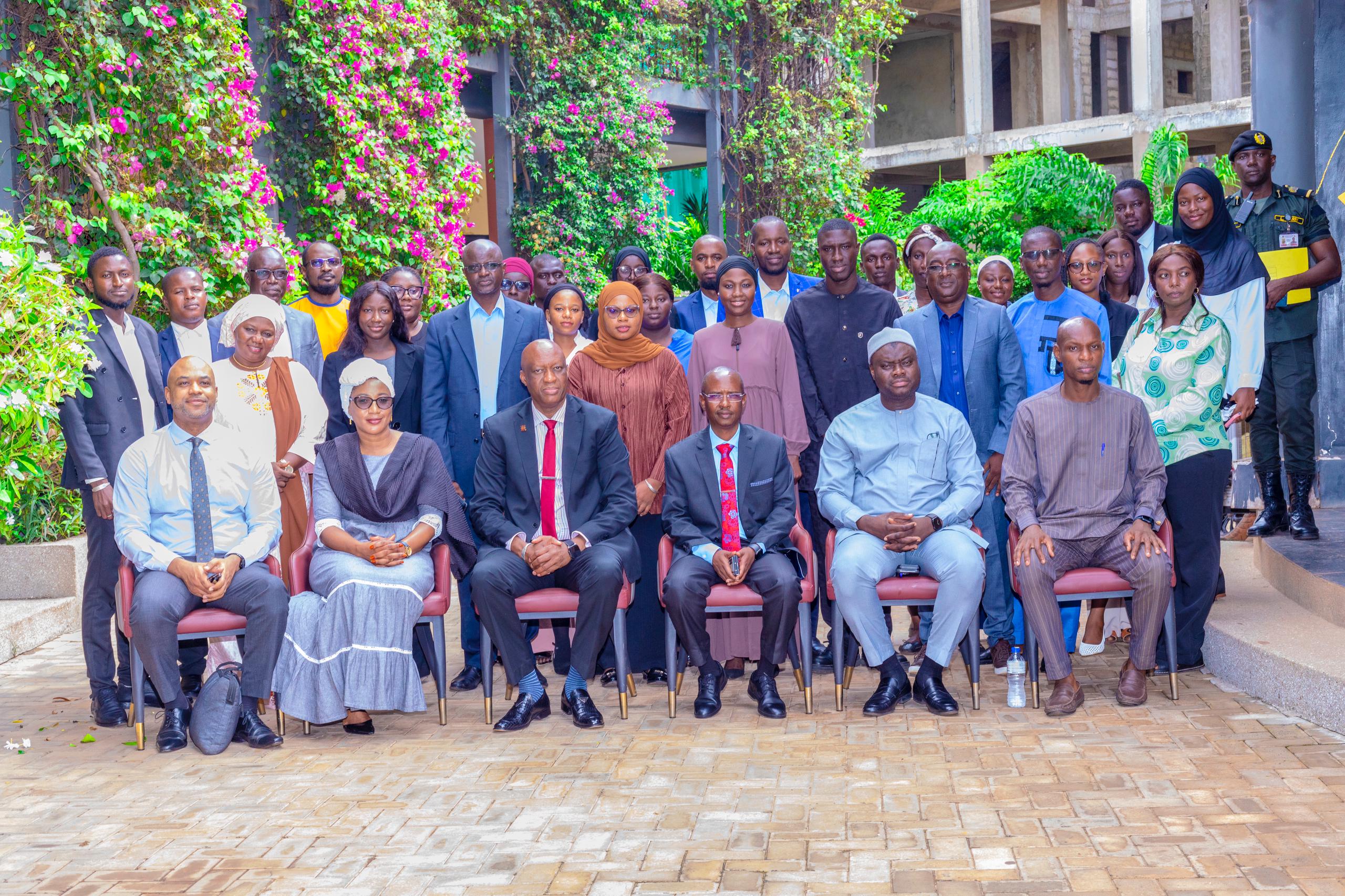
Yankuba Darboe, Commissioner General of the Gambia Revenue Authority (GRA), on Wednesday, August 13, 2025, unveiled the transformative potential of the new Integrated Tax Administration System (ITAS) during a sensitization workshop for lawyers at Bakadaji Hotel. The system, designed to streamline tax processes, is set to reduce compliance burdens, curb fraud and corruption, and boost domestic revenue mobilization for national development.
Darboe emphasized that ITAS will usher in a new era of efficiency, transparency, and accountability in tax administration. “This system will enable e-registration, e-filing, e-payment, e-reforms, and all services related to e-tax systems,” he stated. “We are confident that ITAS will bring a new era of transparency, accountability, and efficiency in tax administration.” The system aims to simplify processes for taxpayers while fostering greater trust in the tax ecosystem.
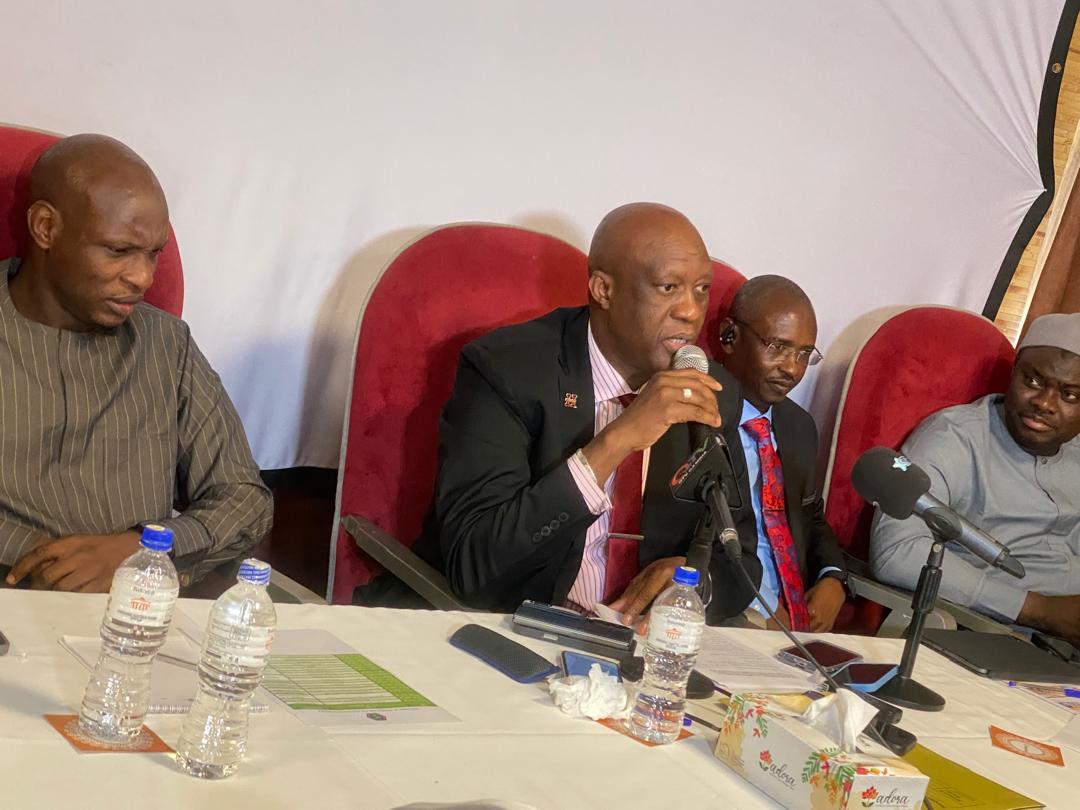
The Commissioner General highlighted the global shift toward digitalization, noting that Gambia must keep pace with international standards. “Once this system is in place, you will all feel at ease because you can handle filings, payments, and processes from your comfort zones without daily interactions with GRA staff,” Darboe said, addressing concerns about accessibility and convenience.
However, Darboe acknowledged the challenges accompanying the transition to ITAS, urging tax administrators and agents to adapt to the evolving legal and economic landscape. “ITAS represents a fundamental shift in how tax administrations operate,” he said. “It is imperative that both tax administrators and agents are fully equipped to navigate this new environment.” He stressed the importance of understanding the system’s implications not only for taxpayers but also for the broader economic framework.
Essa Jallow, Deputy Commissioner General of GRA, echoed Darboe’s sentiments, emphasizing the role of modern technology in transforming tax processes. “By integrating advanced technology, we aim to simplify operations, reduce errors, and provide better services to taxpayers and their advisors,” Jallow said. He underscored that ITAS will enhance operational efficiency and build trust among stakeholders by fostering transparency in tax administration.
Samba Sallah, ITAS Project Manager, outlined the system’s benefits, particularly its potential to lower compliance costs for taxpayers and their agents. “ITAS is designed to make tax processes more user-friendly and cost-effective, ensuring a smoother experience for all parties involved,” Sallah noted. The system integrates all aspects of tax administration, including registration, filing, payment, reporting, and management information systems, creating a comprehensive and cohesive framework.
The workshop, attended by legal professionals, aimed to raise awareness about ITAS and its functionalities, ensuring a smooth transition to digital tax services. By equipping stakeholders with the knowledge to navigate the system, GRA seeks to promote widespread adoption and maximize the system’s impact.
ITAS is expected to revolutionize tax administration in Gambia by reducing opportunities for fraud and corruption, which have long plagued revenue collection efforts. The system’s digital infrastructure will minimize human interaction, a key factor in reducing corrupt practices, while providing real-time data to enhance decision-making and accountability.
As Gambia embraces digitalization, ITAS positions the country as a forward-thinking player in global tax administration. The GRA’s commitment to transparency and efficiency through this initiative is expected to strengthen public trust and support sustainable economic growth. By reducing compliance costs and simplifying processes, ITAS promises to empower taxpayers and their agents while ensuring that the government has the resources needed for continued development.
The successful implementation of ITAS will depend on robust stakeholder engagement and ongoing training to ensure all users are well-versed in its functionalities. As the GRA continues to roll out this ambitious project, the nation watches with optimism, anticipating a future where tax administration is seamless, transparent, and equitable for all.