By Sainabou Sambou
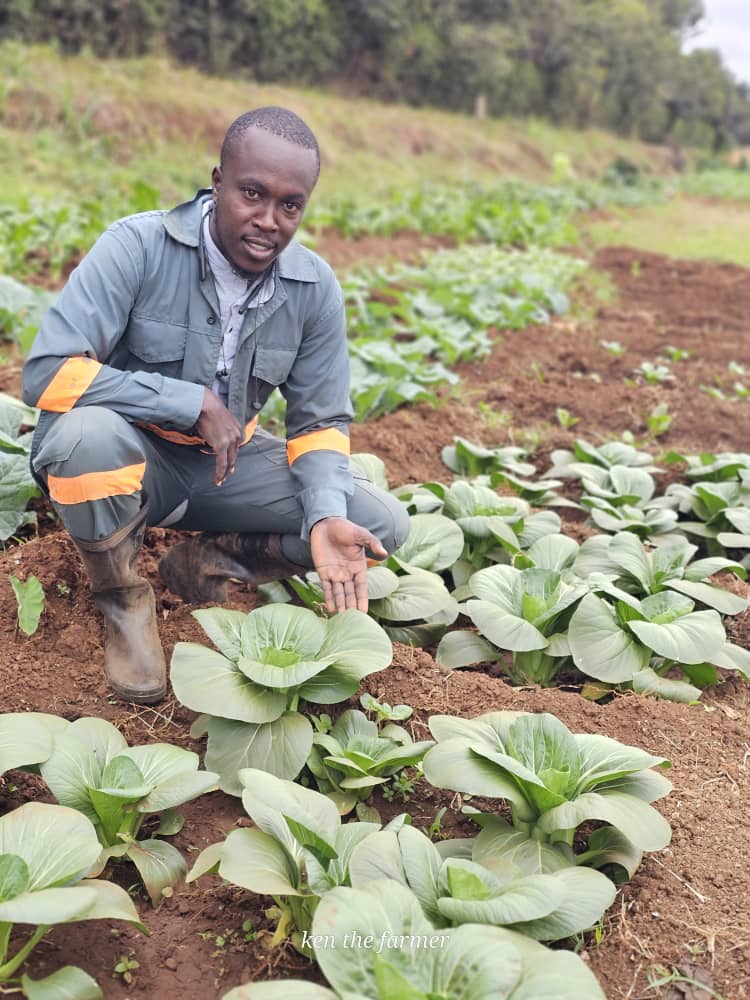
Ken Kamuiru, popularly known as Ken the Farmer, is emerging as a trailblazing figure in The Gambia’s agricultural landscape. Originally from Kenya, this electrical engineer-turned-entrepreneur has established farms across both countries, channeling his expertise into horticulture, livestock, and innovative agribusiness ventures aimed at boosting local food production and sustainability.
In an exclusive interview with The Alkamba Times, Kamuiru shared the story behind his transition from salaried employment to full-time farming. Trained as an electrical engineer, he once held a conventional job but grew frustrated with its constraints—most notably when he was denied leave to care for his seriously ill mother. Drawing inspiration from his family’s modest small-scale farming in Kenya, he chose self-employment, blending technical precision with agricultural passion.
“Growing my own safe food is like taking medicine,” Kamuiru said. “I don’t love buying medicine; I love eating fresh, safe food.” He highlights how rural living enables a higher quality of life at a lower cost than urban salaried positions.
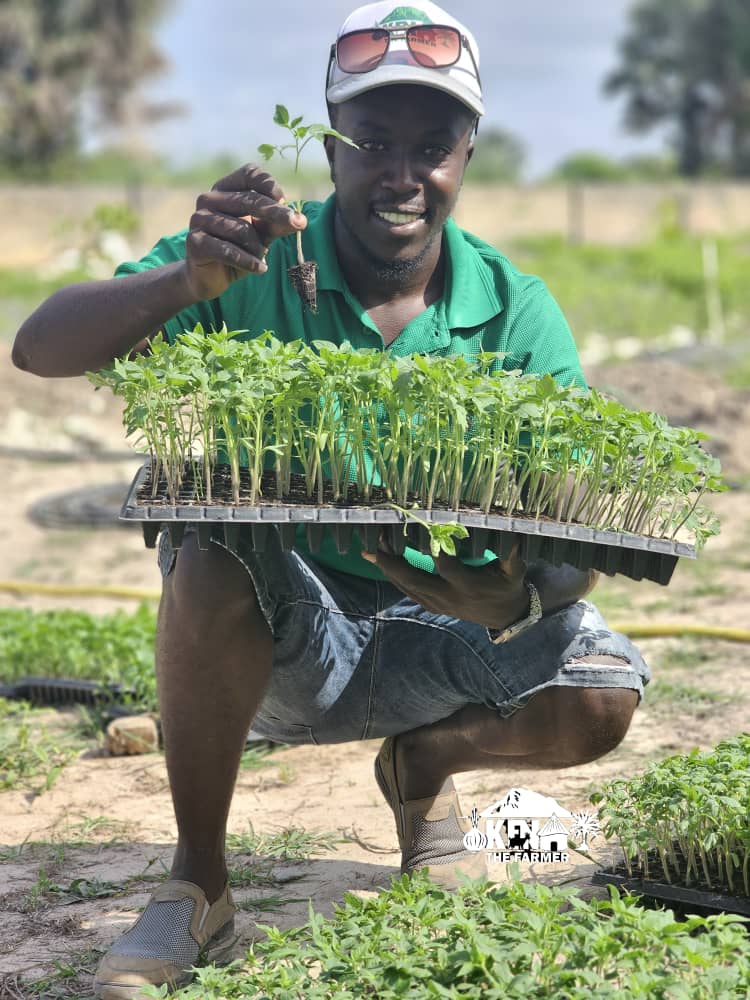
Kamuiru identified The Gambia as an ideal destination for expansion due to its untapped agricultural promise. “Tomatoes sell for D50 per kilo here, compared to D10 per kilo in Kenya,” he noted, pointing to favorable economics including cheaper fertilizers, water access, and year-round farming potential. To capitalize on these advantages, he registered Agrobase Company Limited in The Gambia, where he produces and markets foliar nutrition formulations and imports essential inputs such as fungicides and pesticides.
Leveraging his Kenyan roots, Kamuiru personally installs and maintains drip irrigation systems, selects high-quality seeds, and applies proven pest management techniques. He imports fast-growing seedlings—including avocado husks and apple mangoes—to enhance crop efficiency and profitability for local farmers.
His ambitions extend beyond crops. Kamuiru plans to enter sheep farming and expand dairy production by importing superior livestock breeds from Kenya, addressing The Gambia’s dependence on imported milk. Currently managing several farms on land provided by friends and partners, he aims to purchase his own five-hectare property. This future site will double as a practical technical school offering hands-on training in modern farming, value addition, waste recycling, and youth job creation.
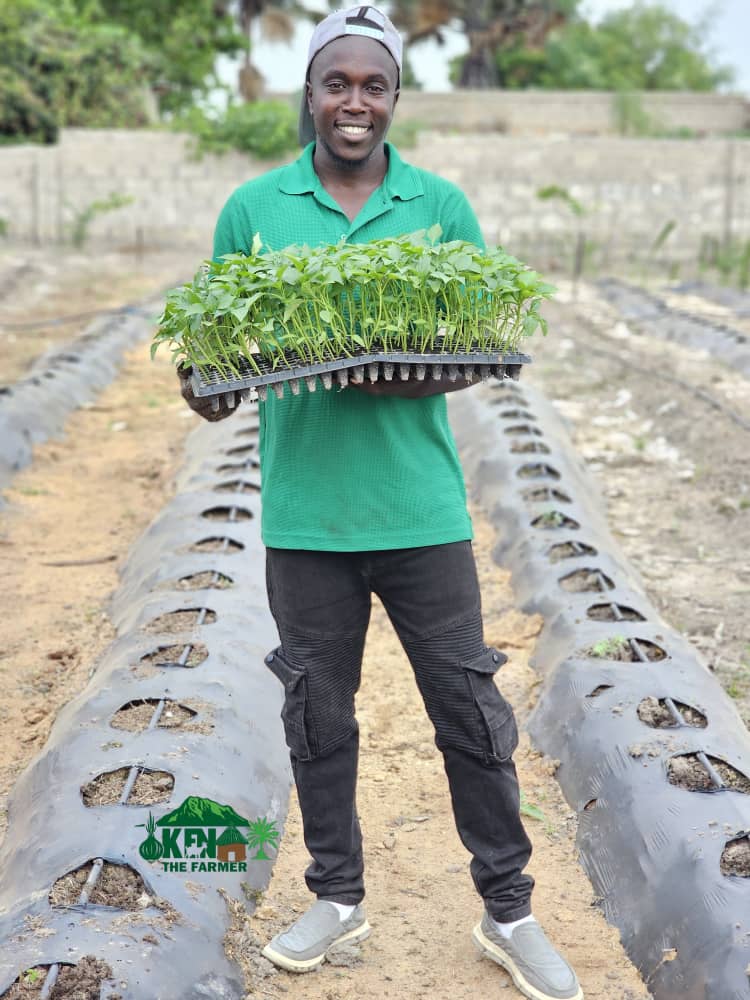
Challenges persist, including navigating French-labeled products, unprotected fields vulnerable to pests or animals, and inconsistent labor. Kamuiru counters these through vigilant daily scouting, technical oversight, and strategic planning.
A firm believer in knowledge transfer, he initially provided free training to Gambian farmers but now charges fees to cover rising demand and expenses. He has engaged with The Gambia’s parliamentary agriculture committee to explore the importation of skilled Kenyan trainers to build local capacity.
Kamuiru’s vision is transformative: a integrated farm model merging crop and livestock production, education, and sustainable practices. “I want to make a small Kenya in The Gambia,” he declared, envisioning a hub that empowers farmers, reduces import reliance, and fosters self-sufficiency.
As he continues to grow Agrobase and his operations, Kamuiru exemplifies how cross-border expertise and determination can revitalize agriculture in West Africa. His work not only promises economic gains but also promotes healthier, safer food systems for Gambian communities.