By: Fatou Dahaba
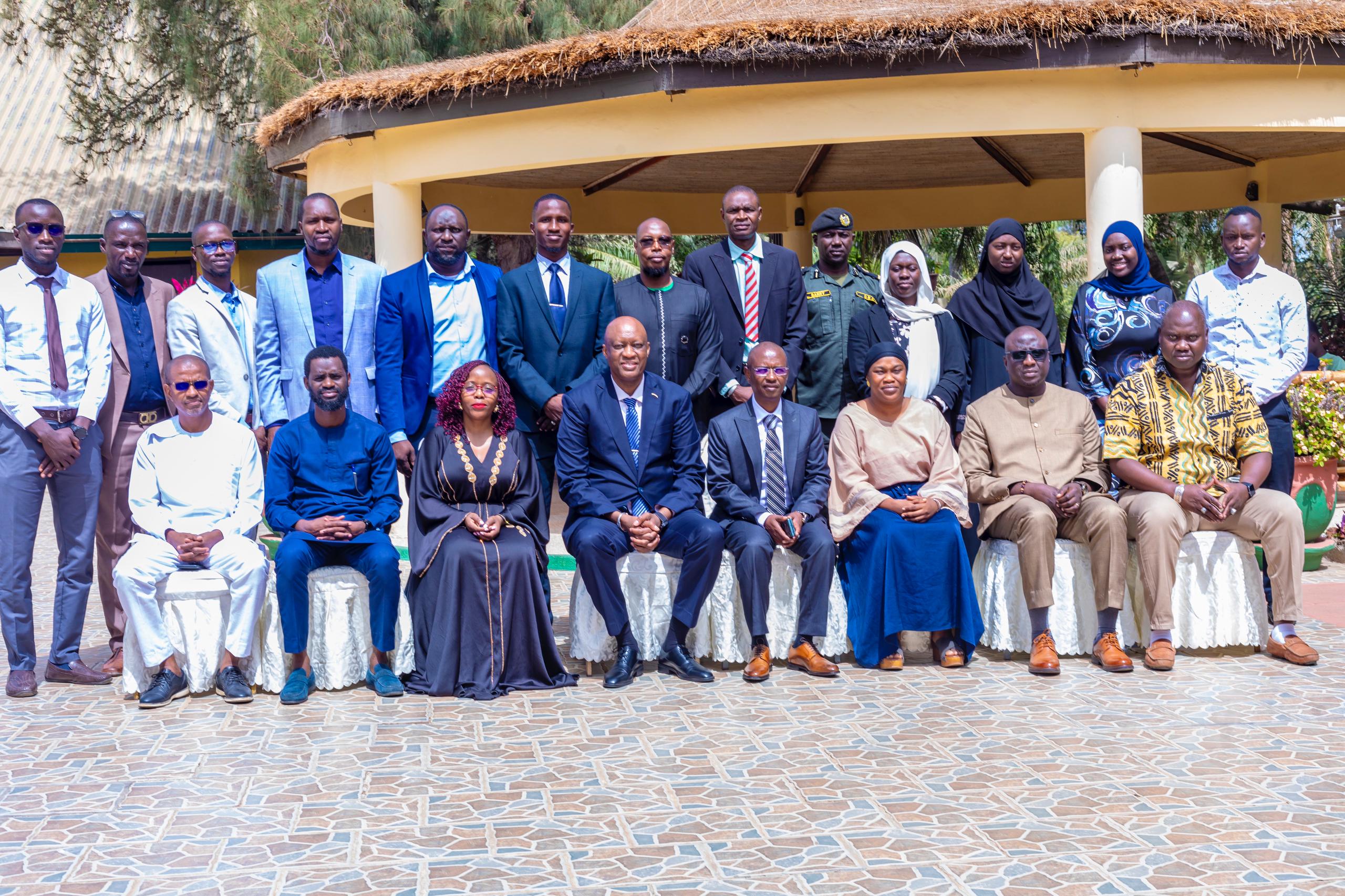
The African Tax Administration Forum (ATAF) and the World Bank Group on Monday launched a technical workshop for Gambia Revenue Authority (GRA) officials to bolster the country’s defenses against tax risks arising from cross-border transactions involving multinational enterprises.
The intensive training program seeks to equip GRA staff with advanced technical knowledge, practical skills, and institutional tools to effectively identify, assess, and audit related-party transactions that could erode the nation’s tax revenue. Transfer pricing – the pricing of goods, services, and intangibles transferred between companies under common control – has become a critical focus for developing economies as globalization intensifies economic linkages.
Commissioner General of the GRA, Yankuba Darboe, described the workshop as a significant milestone in the Authority’s drive to strengthen its capacity in this highly specialized field of international taxation.
“This initiative builds directly on the transfer pricing program delivered in September 2025, which introduced GRA staff to key principles, international standards, and emerging best practices,” Darboe said. He noted that GRA management had swiftly acted on ATAF’s earlier recommendations by forming an implementation team, reviewing the legislative framework, and conducting a virtual workshop on risk assessment and case selection.
The current mission places strong emphasis on functional and compatibility analyses through hands-on case studies and audit simulations. Darboe stressed that transfer pricing represents both a challenge and a strategic priority for The Gambia, especially as cross-border activities expand in key sectors such as banking, shipping, and telecommunications.
“As our economy becomes more integrated into global markets, the presence of multinational corporations increases the risk of transfer pricing manipulation,” he added. “Building robust technical expertise is essential to protect our tax base and respond effectively to evolving global tax challenges.”
GRA’s long-term vision includes establishing a dedicated Transfer Pricing Unit responsible for compliance monitoring, risk assessment, and audits. Darboe expressed gratitude to ATAF and the World Bank Group for their sustained partnership, which he said is helping to modernize tax administration not only in The Gambia but across the African continent.
Ahwera Betty, a Transfer Pricing Specialist with ATAF and one of the lead facilitators from Uganda, highlighted the broader continental implications. She pointed out that Africa continues to lose substantial revenue through illicit financial flows and transfer mispricing, depriving governments of funds needed for public services and development.
“Strengthening transfer pricing regimes is vital for improving domestic resource mobilization and curbing these leakages,” Betty said. ATAF’s support to The Gambia focuses on building solid policy, legal, and administrative foundations, following earlier assessments of the country’s transfer pricing framework.
Alagie Jallow, Director of Tax and Revenue at the Ministry of Finance and Economic Affairs, echoed these concerns. “When profits are artificially shifted away from where real economic value is created, countries lose critical revenue that could fund schools, hospitals, and infrastructure,” he stated.
The workshop, he added, will provide participants with practical insights into the arm’s length principle, comparability analysis, and documentation requirements to enhance audit effectiveness and promote tax fairness.
Essa Jallow, Deputy Commissioner at GRA, explained that participants were deliberately drawn from various departments to foster a comprehensive institutional approach. “As The Gambia’s economy grows more connected to international business, developing staff capacity has become a top priority to mitigate transfer pricing risks,” he noted.
The workshop underscores a growing recognition across Africa that robust transfer pricing administration is indispensable for protecting sovereign tax revenues in an increasingly interconnected world.
Officials expect the training to yield immediate improvements in operational readiness while laying the groundwork for sustainable, long-term reforms within the GRA.