By: Fatou Dahaba
As anti-rights movements gain momentum across Africa, feminist advocates gathered at the 87th Ordinary Session of the African Commission on Human and Peoples’ Rights to reaffirm the Maputo Protocol as a powerful weapon for resistance, solidarity, and accountability.
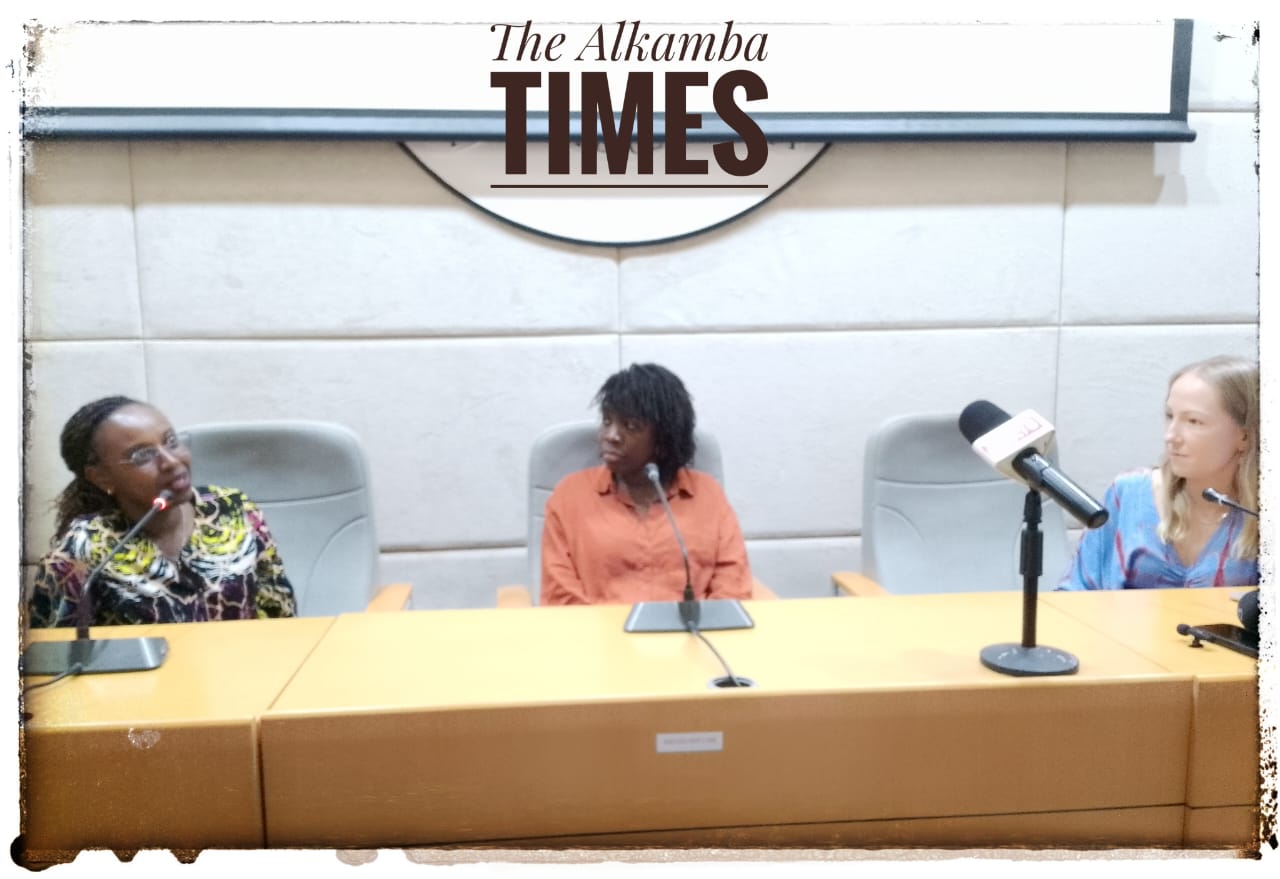
In a charged atmosphere at the Sir Dawda Kairaba Conference Center, the Solidarity for African Women’s Rights Coalition (SOAWR) hosted the live finale of its podcast series “All Things Maputo Protocol.” Presented by Grace Marwa Pattison, the event brought together activists, lawyers, and advocates from across the continent to confront what they described as a well-funded, coordinated backlash against women’s rights.
Pattison opened the discussion by highlighting the series’ journey through diverse struggles—from legal reforms in Kenya to coalition-building efforts and the harrowing realities of conflict-related sexual violence in Sudan. A recurring theme, she noted, is the intensifying opposition to gender equality gains.
“Everybody in the room is familiar with the backlash,” Pattison said. “But the question is, how do we continue to counter it? How do we reframe, resist, and hold the line? And what can the Maputo Protocol offer us in this fight?”
Research cited during the podcast painted a stark picture of the funding imbalance. U.S.-based anti-gender groups increased spending in Africa by more than 50% between 2019 and 2022, channeling a combined $16.5 million into efforts opposing women’s rights. Meanwhile, women’s rights organizations received just 0.34% of total global aid flows in 2022, down from 0.42% in 2020. Pattison warned that anti-rights actors have skilfully framed women’s protections as “foreign impositions,” even as much of their own funding originates abroad.
Nyokabi Ajugu of the Center for Reproductive Rights described how the backlash increasingly invokes narratives of “family values,” culture, and sovereignty. These arguments, she said, recast the Maputo Protocol—a landmark African Union instrument drafted by African women themselves—as an external threat.
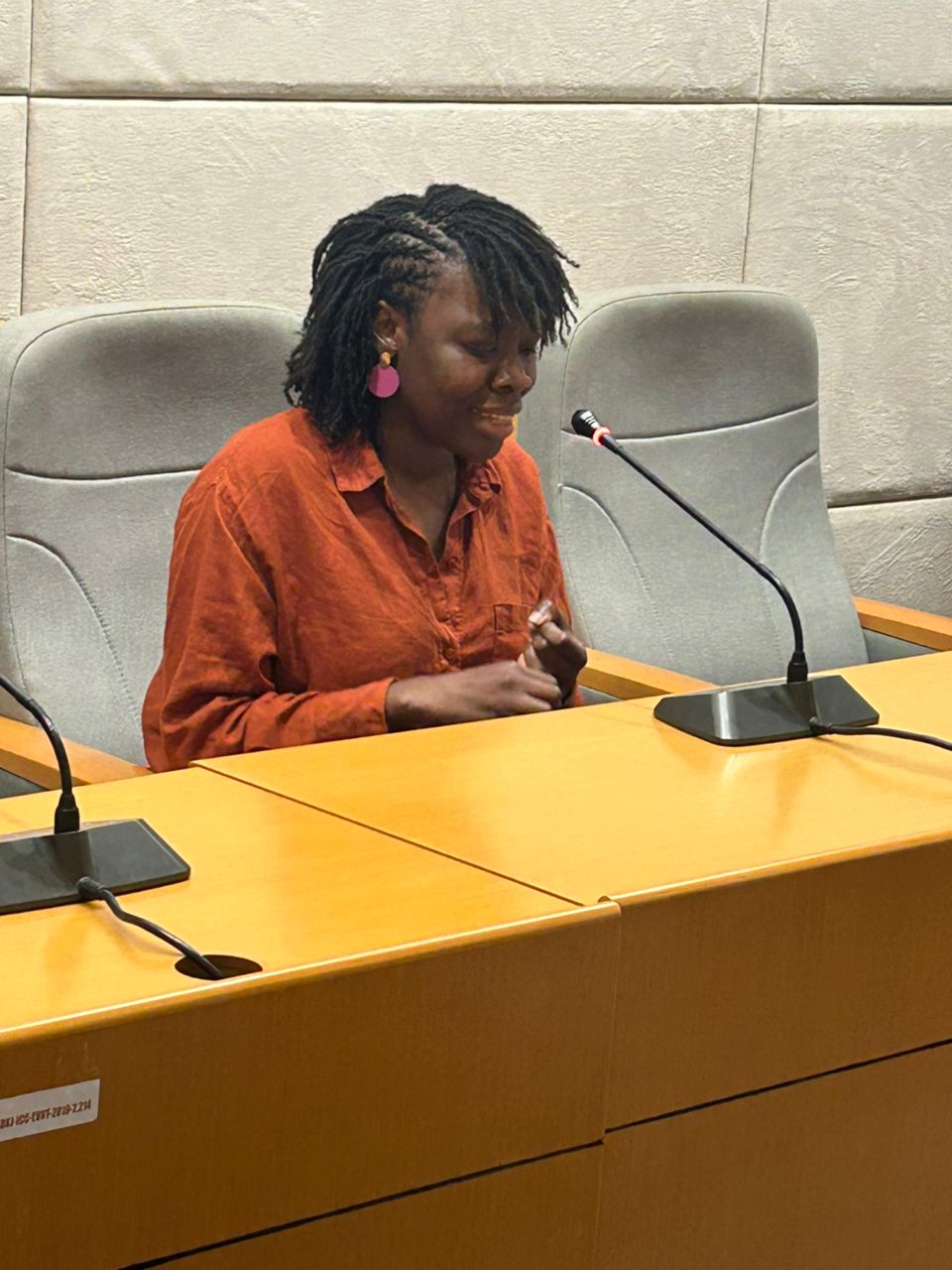
“This reframing is dangerous,” Ajugu stressed. “It portrays women’s rights defenders as enemies of culture and religion, while ignoring the daily struggles of African women facing violence, inequality, and lack of dignity.” She called for confrontation of distorted narratives and a renewed embrace of homegrown human rights tools.
Ramatoulie Jallow of the Strategic Initiative for Women in the Horn of Africa (SIHA) Network expressed both concern and cautious optimism. She observed visible regression in institutions meant to safeguard rights and criticized how anti-rights voices have twisted notions of “African values” to justify dismissing women’s protections.
Jallow urged a broader framing: violence against women must be seen not merely as a “women’s issue” but as a societal and governance crisis affecting community resilience. She highlighted the power of collective organizing, noting that grassroots networks have successfully challenged regressive laws and funding barriers.
Despite mounting pressure, speakers emphasized resilience through inclusive movements, protection of human rights defenders, stronger storytelling via media and art, and greater representation of women with disabilities. Intergenerational activism and moments of rest and joy were also highlighted as vital for sustaining the struggle.
Adopted by the African Union on 11 July 2003 and entering into force on 25 November 2005, the Maputo Protocol remains one of the continent’s most progressive legal instruments. It guarantees women’s rights to reproductive health, protection from all forms of violence, economic equality, and other fundamental protections tailored to African realities.
As the session concluded, participants left with renewed determination.
In the face of organized opposition, they affirmed that the Maputo Protocol is more than a legal document—it is a beacon of hope and a call to action for African women’s dignity and equality.