By Ebrima Mbaye
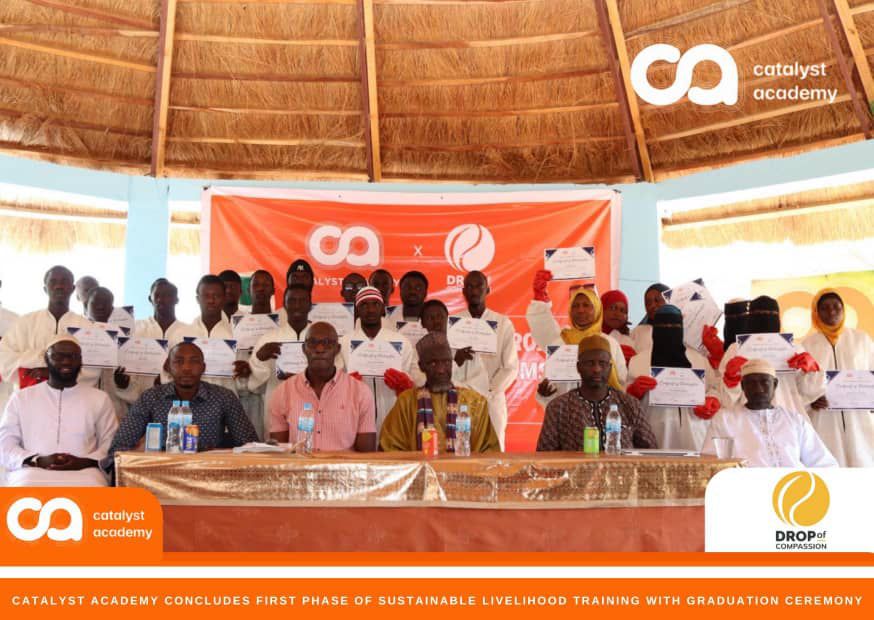
In an efforts amied at addressing the longstanding challenge faced by madrassa graduates, Catalyst Academy in Sifoe, Kombo South District, has successfully graduated its first batch of 28 trainees under the Madrassa Skills Development Program. The two-week intensive training focused on modern beekeeping techniques, equipping young Islamic school leavers, particularly women, with practical vocational skills to enhance economic independence while preserving their religious education.
The graduation ceremony, held at the academy, drew a diverse gathering of government representatives, religious leaders, community stakeholders, development partners, and members of the public. It underscored a growing national recognition that religious education and economic empowerment can go hand in hand.
Foday Essa Darboe, President of the Supreme Islamic Council, hailed the program as a transformative step. “Back then, people believed learning the deen was only necessary for those who wanted to become imams or Islamic teachers,” Darboe said. “But over time, our elders and the government realized the importance of combining religious education with practical skills that can benefit the country.”
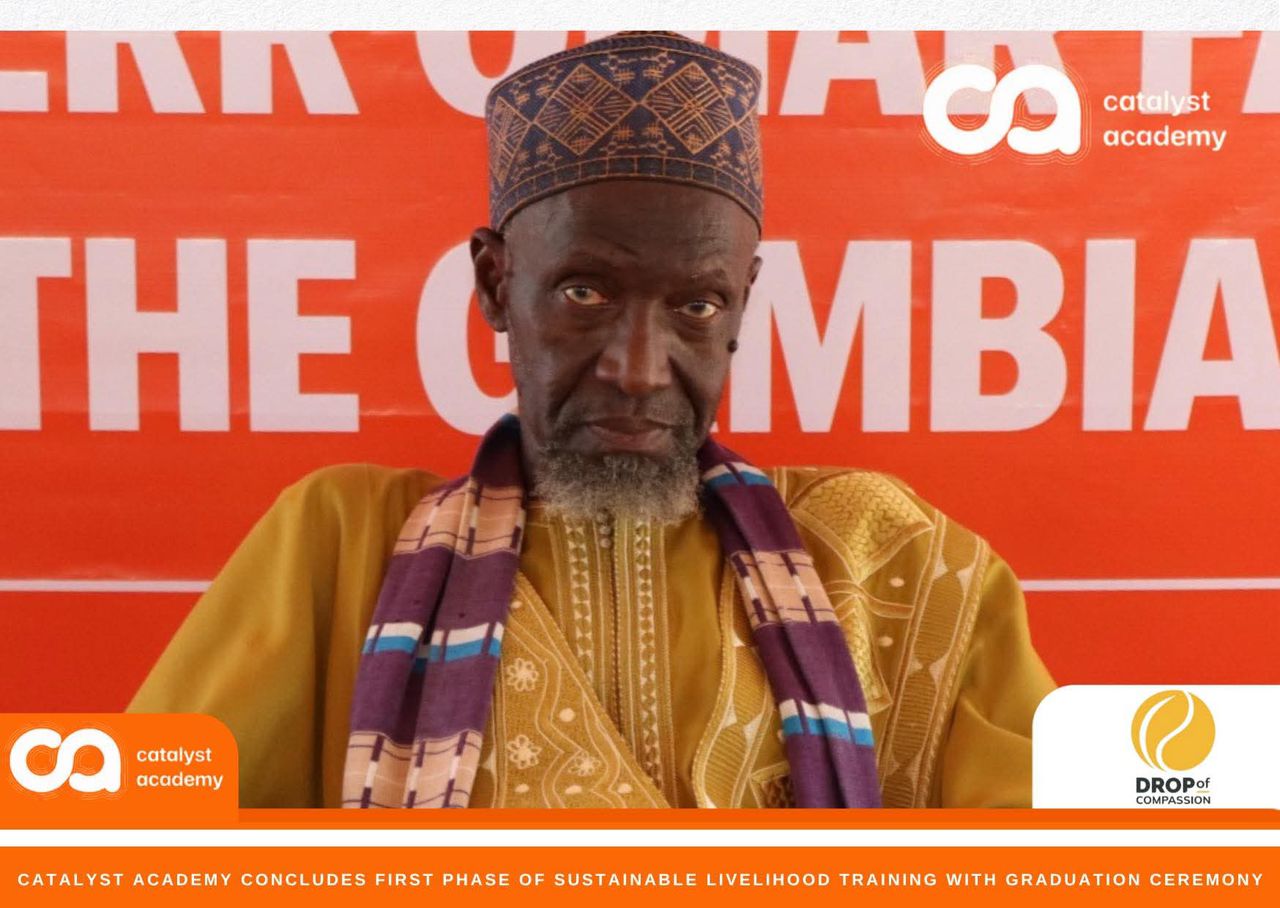
He noted that the pilot is currently running in three schools, training a total of 28 students across vocational areas, with beekeeping as a flagship component. “We are very happy about this initiative because it shows signs of changing lives. Instead of always depending on others, people can now create jobs for themselves,” Darboe added. He pointed to The Gambia’s abundant bushland as ideal for beekeeping expansion.
Darboe emphasized the synergy between madrassa values and professional success.
“Madrassa teaches discipline, fear of the Almighty, and good character. These qualities make people trust you, and once people trust you, they will support you in whatever work you do.” He also highlighted the academic progress of madrassa alumni, many of whom are now pursuing degrees at the University of The Gambia.
Graduate Fatoumatta Jaiteh, a married mother, described the training as life-changing. “When I first came here, I did not understand the importance of this skill, but after the training, I realized its value. We learned how to care for bees properly, why they should not be killed, and the importance of honey production and pollination.”
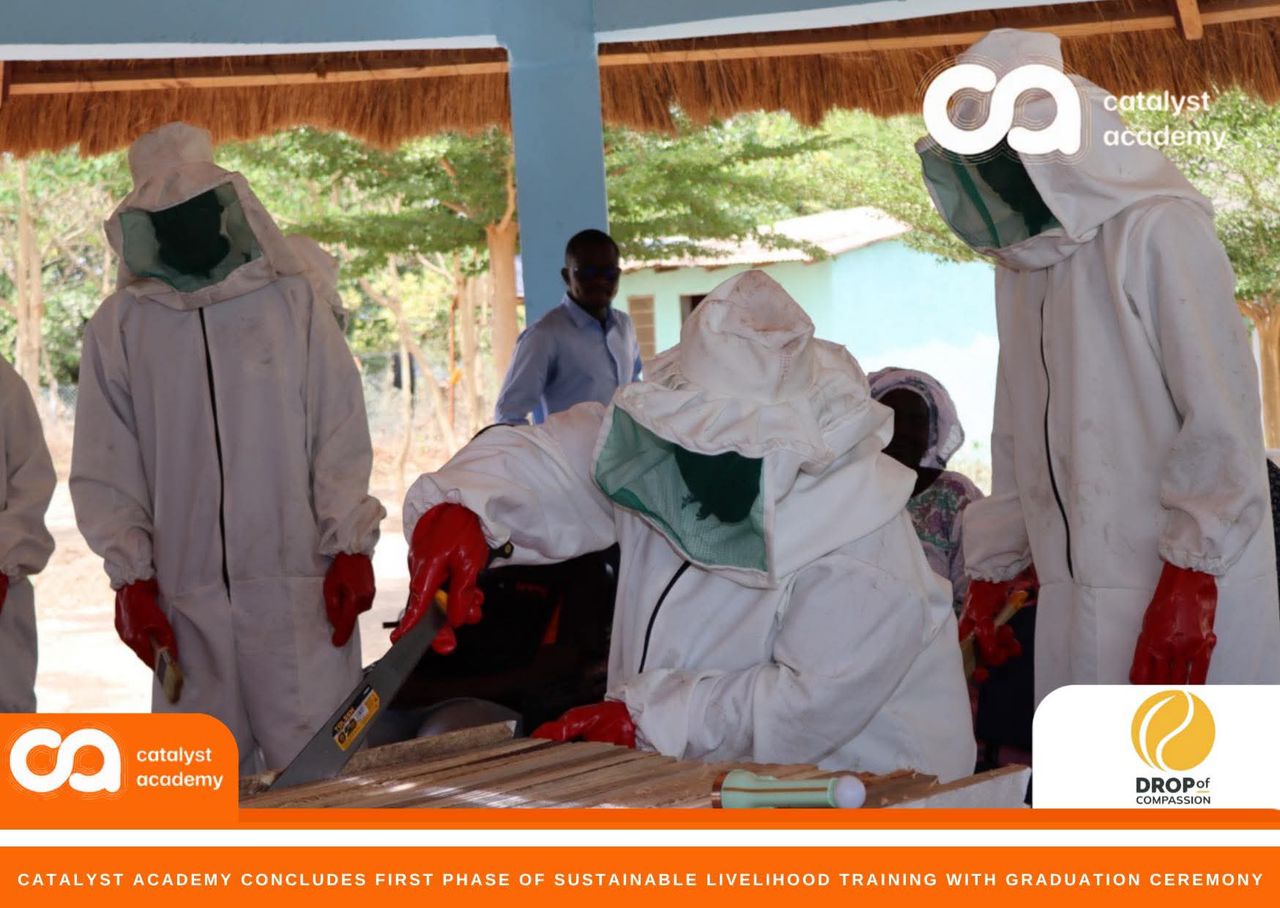
Jaiteh appreciated the flexibility that beekeeping offers women, helping them balance family responsibilities. “This work is something a person can do while still taking care of household responsibilities. It does not require your presence every day, and that is one reason why it is very important.”
Fellow graduate Abdoulie Janneh from Gunjur Islamic Institute contrasted modern methods with traditional practices.
“In traditional honey harvesting, people often use fire to chase away bees, which kills many of them and sometimes causes forest fires. Through this training, we learned safer and better methods that protect both the bees and the environment.”
Janneh urged Gambian youths to seize the opportunity. “Honey is expensive, and investing in this skill can become a good source of income for you and your family. Even a small quantity sells at a good price. When you have skills, you become independent.”
Lead trainer Buba Touray, a Sifoe native, praised the trainees’ dedication. “I have trained many people before, but a team like this is rare. They are hardworking, focused, and mission-driven.” He called on the government and stakeholders to scale up support for beekeepers nationwide.
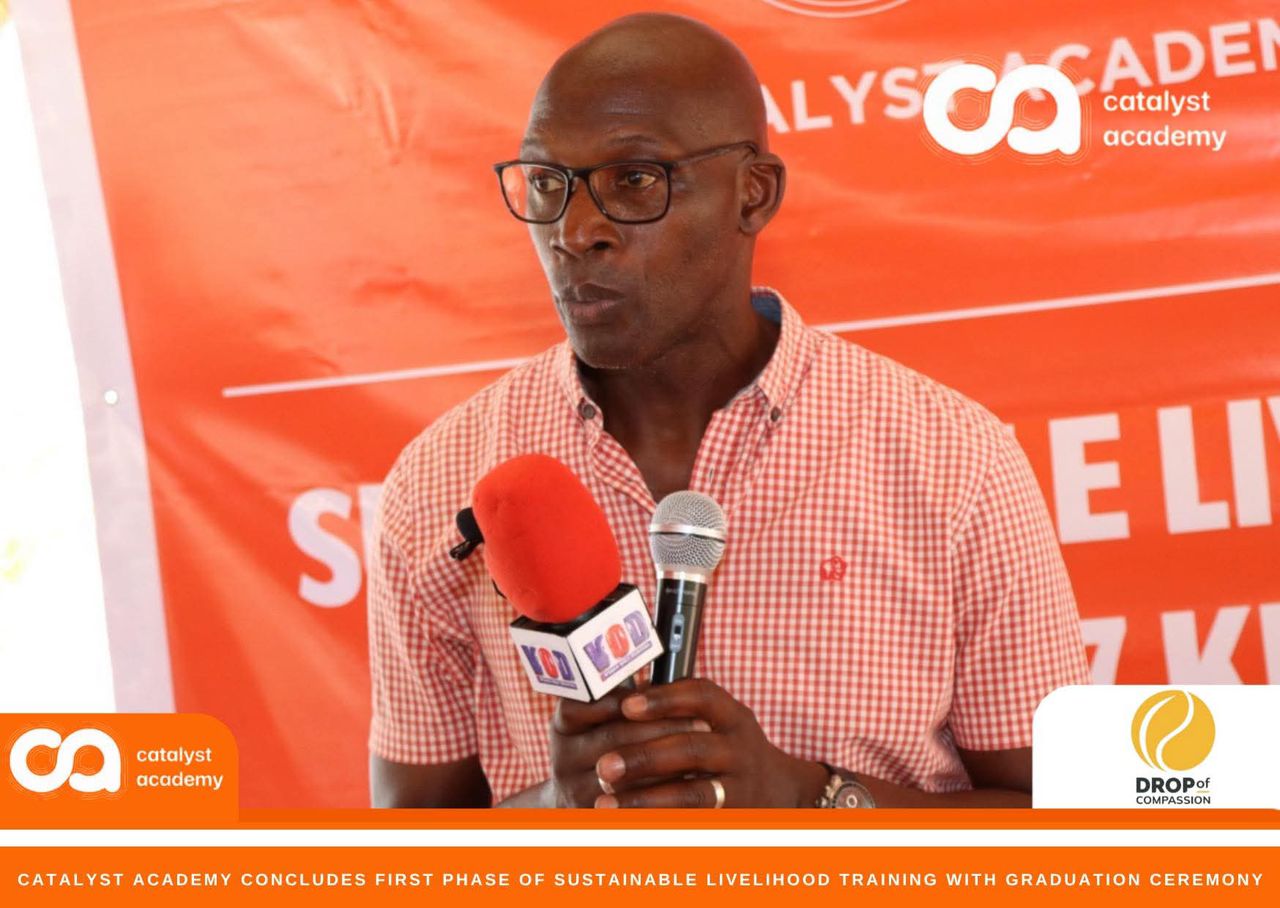
Derek Rawle, Director of Catalyst Academy, reaffirmed the institution’s commitment. “We are dedicated to youth empowerment through practical skills training.” He announced that another cohort would begin training next week in a different vocational field.
The program represents a promising model for integrating Islamic education with sustainable livelihoods, potentially inspiring similar initiatives across The Gambia. As participants return to their communities armed with both faith and marketable skills, the academy’s efforts signal a shift toward greater self-reliance among the country’s young madrassa graduates.