By Sainabou Sambou
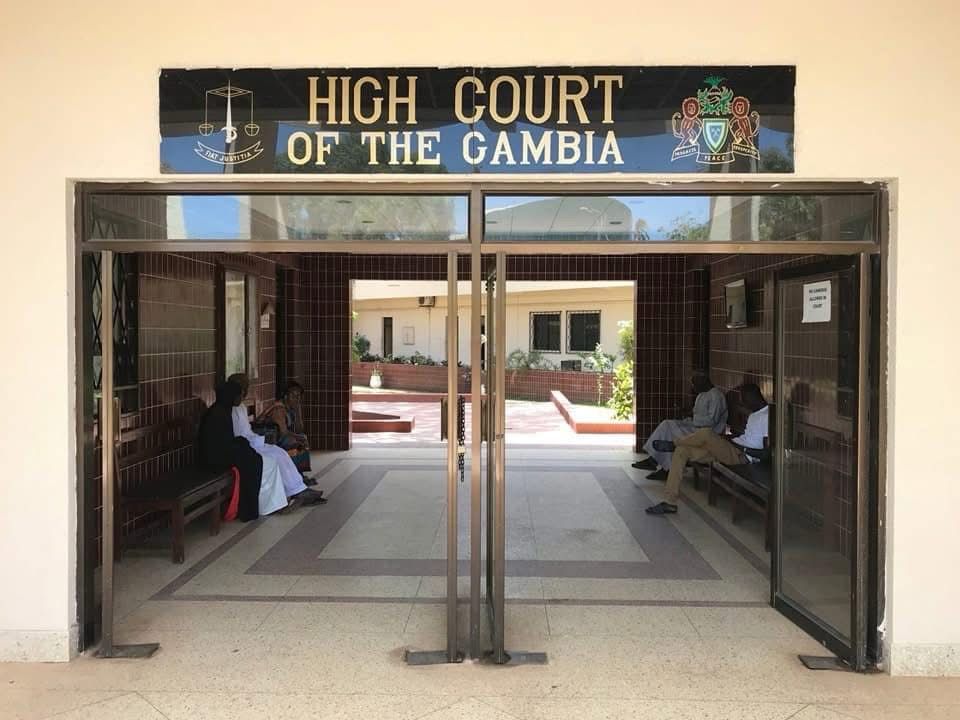
A defense witness in a high-profile human trafficking case told the High Court in Bakau that Nigerian women brought to The Gambia by the accused were fully aware they would engage in sex work, directly contradicting key elements of the prosecution’s case.
Proceedings resumed before Justice Omar Cham as the trial of a Nigerian national accused of trafficking persons and living on the earnings of prostitution continued.
Sydney S.O. Kennedy is representing the accused, while state counsel MD Mballow leads the prosecution. The case centers on allegations that the accused, referred to as Madam Joy, orchestrated the movement of women from Nigeria to The Gambia, housing them in shared accommodations in areas like Manjai and Senegambia, where they were allegedly forced into commercial sex work.
The alleged victims named in the trial include Faith Atum Edem, Mercy William Abiri, Anthoney Esther Okon, and Dada Nwakaego.
Defense witness Ajibola Shade, who previously lived in the same arrangements, took the stand and provided detailed testimony about the living arrangements and the circumstances under which the women arrived. Shade told the court she was initially taken to a secure location known as “Class One” near the Bakau garage in Serekunda.
After paying D250,000, she chose to remain with Madam Joy, at which point occupants were given notice to vacate their previous residence. Madam Joy and her husband subsequently secured an apartment closer to Senegambia.
According to Shade, Madam Joy proposed that the women contribute to the rent. She and other ladies who had completed payments moved from Manjai to Senegambia, including Grace and Madam Joy herself. Shade personally contributed D11,500 for six months’ rent. She described living with Madam Joy and her husband, noting that Madam Joy later became pregnant and gave birth during this period.
The witness further testified that Madam Joy continued bringing women from Nigeria to The Gambia specifically for sex work. When Madam Joy and her husband returned to Nigeria, five women remained in the Senegambia house—Grace, Happiness, Vera, Blessing, and Shade herself—each contributing to the rent. Despite her physical absence, Madam Joy maintained regular communication and was kept informed of all activities in the house.
Shade recounted how Madam Joy later called to announce that her “sisters” were coming to The Gambia and instructed her to make space. Two women, identified as Dada Nwakaego (Dadanakaego) and Mercy, arrived within two days. When Shade raised concerns about limited space, Madam Joy reportedly replied that it was her house and she would decide who stayed there.
In a key moment of the testimony, Shade said she called the newly arrived women into the sitting room, with Grace present, to inquire about their reasons for coming. The women stated they knew exactly why they had traveled and had discussed it with Madam Joy beforehand. They explicitly told her they came for sex work. One of the women, Dada, added that it was not her first time engaging in such activities in The Gambia.
Shade testified that she warned the newcomers because she herself had not been informed in advance about the nature of the work. However, the women responded that they had prior experience in sex work. All residents, she said, contributed to food and household maintenance expenses.
Regarding other alleged victims, Shade confirmed knowing Anthoney Esther Okon and Faith Atum Edem, stating that Madam Joy had also brought them to the house and referred to them as her sisters.
Regarding financial arrangements, Shade explained a voluntary contribution system (often called “contribution” or “esusu” in which participants wrote down their names, and each contributed D1,000. Every ten days, the total sum was given to the person whose name was first on the list, rotating until everyone received their turn. The new arrivals expressed interest and eventually joined after the current round ended. Shade herself managed the money at Madam Joy’s instruction because she had a nearby bank account. Contributions were not compulsory; those unable to pay on a given day could settle later.
The matter has been adjourned to Monday, 8th June 2026, at 11:00 a.m. for continuation of the trial.