By: Kebba Ansu Manneh
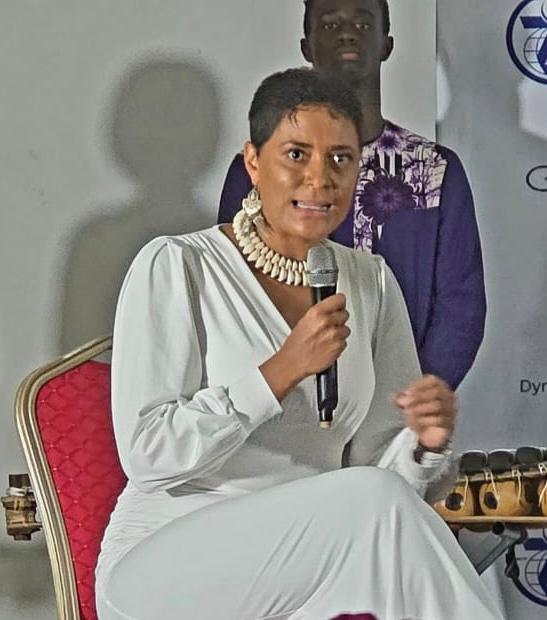
Renowned Gambian international kora virtuoso Sona Jobarteh has challenged young musicians and artists to think deeply about their message before stepping on stage, lamenting that contemporary Gambian music has drifted from its traditional role as advisor to leaders and contributor to national development.
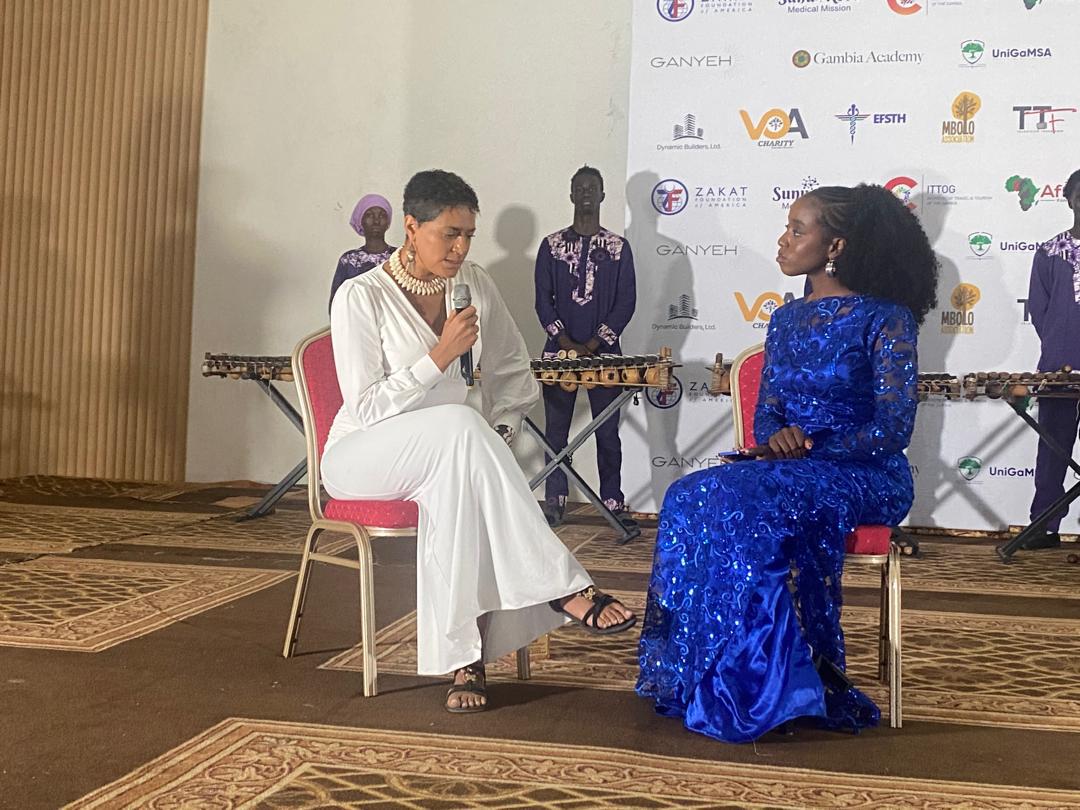
Jobarteh delivered the impassioned call on Saturday, May 12, 2026, at a local hotel in Banjul, moments after receiving an award from the Sunu Reew Medical Foundation for her contributions to arts, culture, and national development.
Addressing fellow artists and guests, she stressed the urgent need for musicians to reclaim their historical influence while urging Africa to overhaul its education systems, still rooted in colonial legacies.
“For me, I resent the fact that our music is getting more and more separated from the responsibilities that we as artists need to play in contributing to developing and shaping the minds of those people who are contributing to our societies,” Jobarteh said. “Historically, the griots have always been known to be advisors to kings, and so where I ask nowadays is, where is that power that we had?”
She continued: “I’m trying to remind people, those of you who pick up a microphone and get up on stage and decide to sing, decide to play, or decide to talk, make sure you have something to communicate. This is something I speak to my students all the time: use that opportunity, do not take that for granted, and don’t waste people’s time because we have a lot of work to do here in Africa, and I feel that artists should be on the front line with that.”
Jobarteh encouraged young Gambian musicians already on the right path to persist for the benefit of the country and the industry. She advised others to first invest time in honing their skills and deepening their knowledge before entering the spotlight, emphasizing purposeful artistry over mere performance.
The kora maestro linked artistic responsibility to broader societal transformation, particularly in education. She expressed deep frustration that, more than 50 years after independence, many African countries—including The Gambia—remain trapped in colonial-era education systems that prioritize foreign cultures and languages over indigenous identity and innovation.
“I’m extremely ashamed to say, 50 to 60 years after independence, that we’re still held down by an education system that is still rooted in that colonial history,” she said. “Our young people still go to school feeling like they must adapt, adopt, and imitate a foreign culture to be educated. How well you can speak English is a defining conversation about how educated you are… How well does that suit fit you when you go to school?”
Jobarteh criticized the slow pace of reform, noting that endless debates waste precious time as generations of young people age without meaningful change. “Every single day, as far as I’m concerned, a young person is getting one day older, and we’re losing every generation that we sit and debate and keep talking.”
Her commitment to action is evident in the establishment of her music academy in The Gambia. She revealed that the initiative aims to bypass prolonged discussions by directly nurturing talented young minds equipped to advance African music and contribute to economic growth through culturally grounded education.
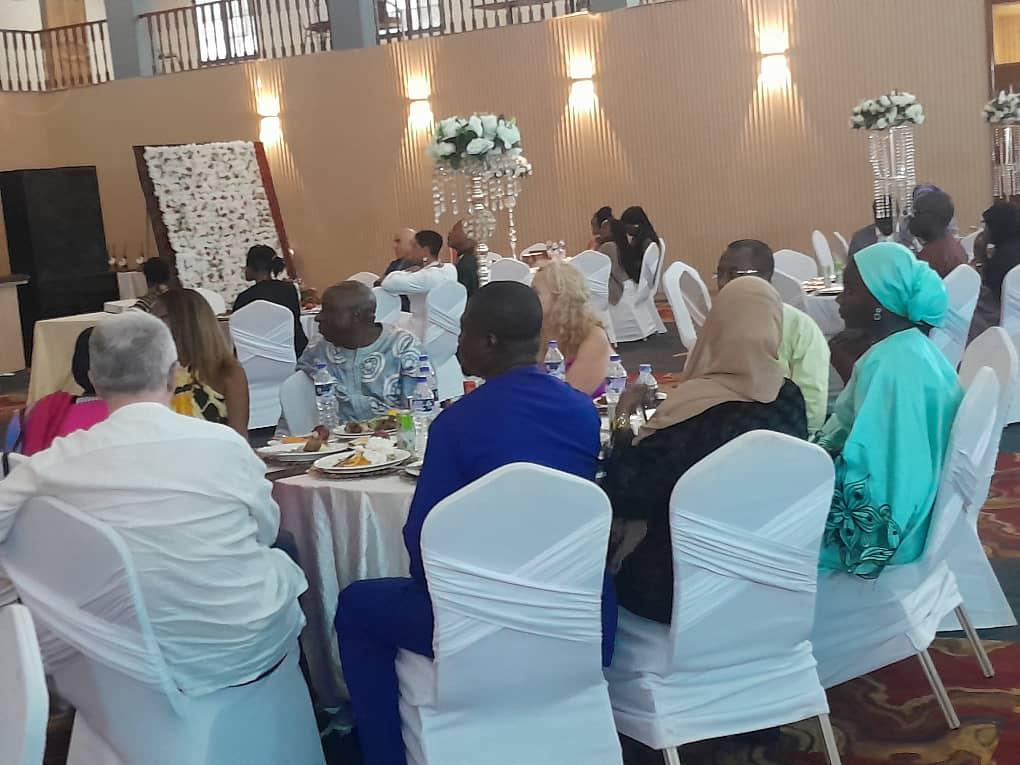
The award ceremony, organized by Sunu Reew Medical Foundation for the second time, celebrated outstanding contributions in arts, culture, and humanitarian efforts. Dr. Adama Bah, Chairman of the Institute for Travel and Tourism of The Gambia (ITToG), commended the foundation for recognizing individuals whose work advances national development and humanity.
Other honorees included Fatim Badgie, former Minister of Communication; Hon. Dr. Lithan Musyima-Ogana, Commissioner of the African Commission; Ida Cham Njie, founder of Yabouy Home Cooking; Ndey Fatou Jabang of Flex Fuzion Entertainment; Janet Badjan Young of Ebunjan Theater; and several medical doctors from The Gambia and the United States. Recipients received certificates and medals.
Dr. Bah highlighted the role of Victoria Lisong Richards and her team in bringing the event to The Gambia, describing it as a significant boost to the tourism sector, which continues to seek more visitors to fill hotel beds and stimulate the economy.
Jobarteh’s message resonated strongly with attendees, blending a call for artistic integrity with a broader vision for cultural and educational sovereignty. As one of Africa’s foremost female kora players, her words carry weight in a nation where traditional griot arts have long shaped social and political discourse.
Observers see her intervention as timely, coming at a moment when Gambian youth navigate globalization, digital influences, and questions of cultural identity. By urging artists to lead with purpose and demanding systemic educational reform, Jobarteh positions herself not only as a musical icon but as a vocal advocate for Africa’s self-determined future.