By: Abdoulie John
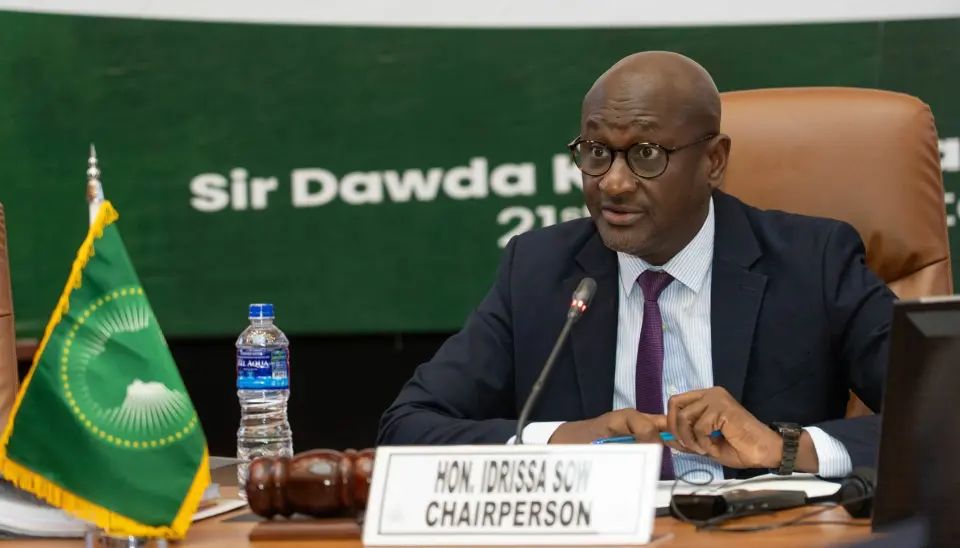
The Chairperson of the Banjul-based African Commission on Human and Peoples’ Rights (ACHPR), Justice Idrissa Sow, has strongly condemned the latest wave of xenophobic violence targeting African migrants in South Africa, describing it as a source of “deep indignation.”
Speaking at the conclusion of the NGOs Forum on Saturday, Justice Sow urged South African authorities to take immediate and decisive action to halt the attacks before the situation spirals further out of control.
“From this platform, I call on the relevant authorities in this country to take the most decisive measures to put an end to this violence,” he declared, drawing sustained applause from delegates preparing for the ACHPR’s 87th Ordinary Session, which opens on Monday at the Sir Dawda Kairaba Jawara International Conference Center in Bijilo.
Over the past weeks, migrants from several African nations have faced repeated assaults, looting of shops, and displacement in parts of South Africa. The surge in violence has raised serious concerns across the continent about the safety of fellow Africans and questions over the South African government’s commitment to protecting them.
Prominent Gambian human rights campaigner Jeggan Grey-Johnson, in an interview with The Alkamba Times, pointed to scapegoating as a central driver of the unrest.
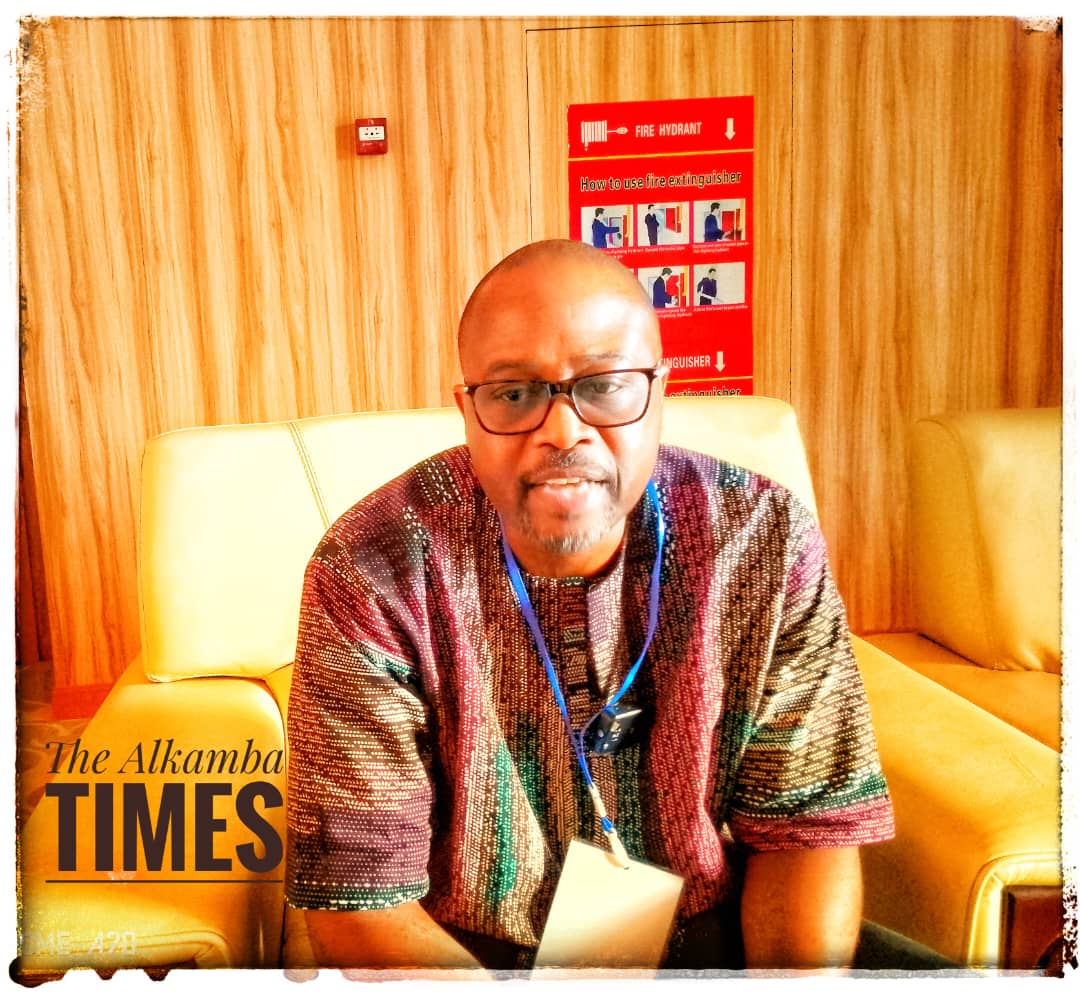
“The stakes could be higher,” Grey-Johnson said, noting that South Africa is approaching a highly consequential presidential election amid severe economic challenges, including stubbornly high unemployment and deepening inequality.
“I think the scapegoating element is very apparent,” he added. Grey-Johnson observed that, at the leadership level, the Economic Freedom Fighters (EFF) have been vocal in condemning the attacks, while broader criticism of the African National Congress (ANC)-led government has grown.
Many international observers argue that the ANC administration has failed to uphold the spirit of pan-African solidarity that South Africa once symbolized. The recurrence of xenophobic episodes has left analysts wondering whether South Africans have forgotten the support African nations provided during the long struggle against apartheid.
The ACHPR, as the premier human rights body of the African Union, has used the forum to amplify calls for accountability and protection of migrants’ rights. Delegates at the gathering expressed fears that unchecked violence could damage regional cohesion and undermine the ideals of African unity.
As the 87th session is expected to begin on Monday, expectations are high that the Commission will address the South African situation more robustly, possibly through formal resolutions or urgent appeals to Pretoria.
Justice Sow’s remarks underscore growing continental impatience with the recurring attacks. With migrants continuing to bear the brunt of economic frustrations in the Rainbow Nation, the coming days may prove critical in determining whether South Africa can restore its image as a beacon of tolerance and solidarity on the continent.