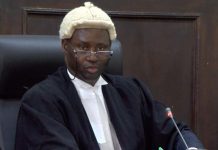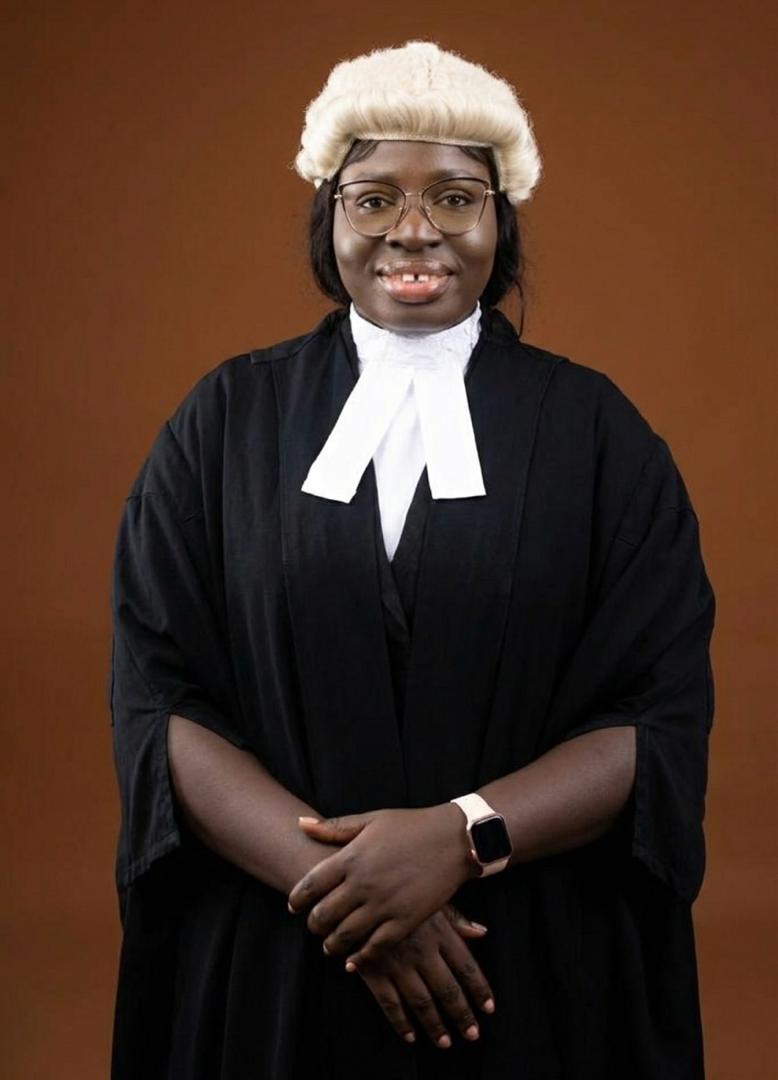
In a landmark ruling delivered today, Justice Isatou Janneh of the Bundung High Court acquitted and discharged Fatou Camara, Hawa Conteh, and Oumie Sawaneh on all charges related to the alleged female genital mutilation (FGM) of one-month-old Baby Sarjo Conteh, who died following the procedure in September 2025. The court held that the prosecution failed to establish a prima facie case, finding that much of the evidence was inadmissible hearsay.
The judgment marks a significant development in Gambia’s efforts to enforce its ban on FGM. Justice Janneh upheld the defense’s no-case-to-answer submissions, ruling that the accused persons should not be called upon to enter a defense. The trio—Camara (1st accused, alleged cutter), Conteh (2nd accused, aunt and alleged accomplice), and Sawaneh (3rd accused, the child’s mother)—walked free after months in the judicial process.
The case stemmed from events on or about September 8, 2025, at Wellingara in the West Coast Region. Prosecutors alleged that the accused conspired to perform FGM on the infant, resulting in her death from severe bleeding. Charges included conspiracy to commit a felony, direct performance of FGM causing death, and accomplice liability for requesting or failing to report the procedure.
In a detailed ruling, Justice Janneh meticulously reviewed the prosecution’s case, which relied on ten witnesses and several exhibits. She concluded that critical gaps in admissible evidence, compounded by investigative shortcomings, made it impossible to link the accused directly to the offenses beyond a reasonable suspicion.
Key Evidentiary Failures
The court heard graphic testimony from police officers who responded to Bundung Maternal and Child Hospital on August 9, 2025. PW1 (Sergeant Amie Joof) and PW2 (Sub-Inspector Zainab Sonko) described finding the infant’s body with blood around the genital area. The mother (3rd accused) reportedly told them the child had been taken for circumcision by her aunt the previous day. Medical evidence was stronger on the cause of death: Hospital records (Exhibits B and C) and pathologist Prof. Gabriel Ogun (PW10) confirmed hypovolemic shock and external hemorrhage from genital lacerations consistent with FGM.
However, Justice Janneh stressed that proving the offense required more than establishing that FGM occurred and caused death. Linking specific accused persons proved elusive. Confessions and statements from the accused—pivotal to the prosecution—were rejected outright for failing to comply with Section 31(2) of the Evidence Act, which mandates an independent witness during recording and signing. Statements taken by PW4 and PW9 were marked “Rejected” and could not be used.
“Hearsay evidence dominated much of the prosecution’s case,” the judge noted. Testimonies from police witnesses about what the accused allegedly said were inadmissible for proving the truth of the allegations. There was no direct eyewitness to the act itself, no forensic link placing Fatou Camara at the scene performing the cut, and insufficient admissible evidence of agreement for conspiracy or complicity.
On Count 1 (conspiracy), the judge found “no admissible evidence of any meeting of minds.” For Count 2 against Camara, while death by genital injury was established, “no legally admissible evidence” tied her to performing the procedure. Similar deficiencies doomed Counts 3 and 4 against Conteh and Sawaneh.
Sharp Criticism of Investigation
Justice Janneh did not mince words on the police handling of the case. She observed that investigators failed to promptly visit the scene, interview material witnesses independently, or gather robust circumstantial evidence. Many officers relied on second-hand information, and confessional statements were botched procedurally.
“It is unfortunate that the mandatory statutory safeguards… were not complied with,” she stated. “These omissions… have left critical gaps in the prosecution’s case.” The judge warned that such lapses undermine justice, especially in grave cases involving vulnerable infants.
Defense counsel, including K. Jallow and F.K. Darboe, had argued forcefully in no-case submissions filed April 1, 2026, that the evidence was insufficient. The prosecution, led by W.S. Madu, countered but could not overcome the evidentiary hurdles.
Broader Implications
The acquittal comes amid Gambia’s ongoing battle against FGM, criminalized under the Women’s (Amendment) Act 2015. Section 32A imposes life imprisonment where the practice causes death. Advocates have long pushed for stricter enforcement, yet this case highlights challenges in securing convictions when investigations falter.
Legal observers note the ruling reaffirms core principles: the burden remains on the prosecution to prove guilt beyond a reasonable doubt, and the presumption of innocence under Section 24(3)(a) of the 1997 Constitution must be upheld.
At the no-case stage, the court does not assess witness credibility but determines if any admissible evidence, if believed, could support a conviction.
Baby Sarjo Conteh’s death brought national attention to the persistence of FGM despite the legal ban. Pathological findings painted a harrowing picture: extensive lacerations, severe blood loss turning the body “paper white,” and secondary organ damage.
In discharging the accused, Justice Janneh reminded parties of their right to appeal.
This outcome may prompt calls for better training of investigators in sensitive gender-based cases and stricter adherence to evidentiary rules. Rights groups expressed disappointment but acknowledged the court’s duty to apply the law rigorously, regardless of the emotive nature of FGM.