By: Kebba Ansu Manneh
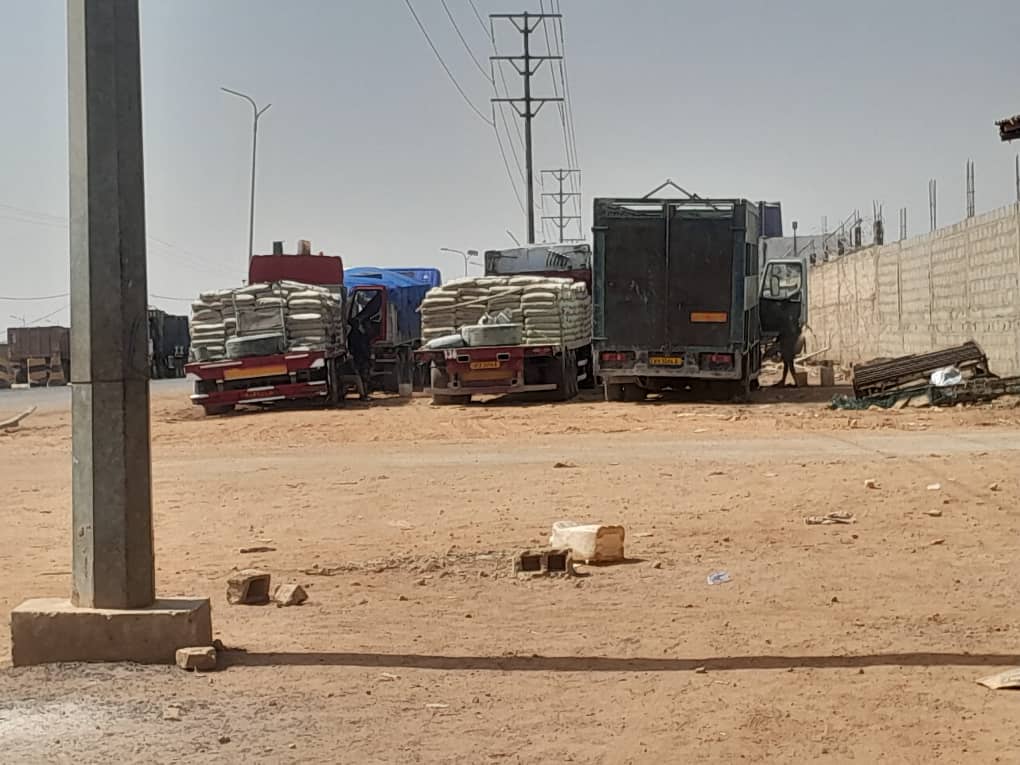
In a significant boost to rural infrastructure and economic activity, cement dealers, truck drivers, and construction workers across rural Gambia have enthusiastically welcomed the establishment of the Jah Cement Factory at Bereto by Jah Oil Company. Designed primarily to serve the needs of rural communities and bordering villages in Senegal, the factory is already delivering tangible benefits, including job creation, market stabilization, and reduced transportation costs.
The facility has emerged as a game-changer for provinces that have long depended on lengthy, expensive trips to urban centers such as Banjul, Kanifing, and Brikama for cement supplies. Residents say the factory has not only cut travel time and expenses but also helped stabilize cement prices and availability in areas where shortages were once common.
“To be honest, the opening of this factory in Bereto is quite welcoming as it is effectively serving the rural areas,” said Abdurahman Jallow, a truck driver who frequents the depot. “Instead of spending lots of money and resources to go up to Banjul, now most of us just stop here, buy, and go back.”
Jallow highlighted the factory’s broader economic ripple effects. “This factory has also created employment opportunities for hundreds of youths who work there either formally or informally. It has boosted the income of truck drivers who can now deliver two to three trips in a day – something that was virtually impossible when we had to travel all the way to Banjul,” he added.
Construction workers have echoed similar praise. Assan Low, based in Jarra Soma, noted substantial time and cost savings for contractors. “I used to spend a lot of money to order cement from the Kombos, but now that is a thing of the past with the establishment of this factory by Hamidou Jah,” Low told The Alkamba Times (TAT). He commended the quality of Jah Cement, describing it as superior to other locally bagged products at relatively competitive prices.
Low also pointed to improved supply reliability. “The operation of this depot has contributed to the stabilization of cement supply in rural areas as well as stabilization of cement prices in the market. Cement has not been scarce in the provinces since the start of operations at Bereto, and this has led to a reduction in prices from D500 plus to D400 plus now.”
Cement dealer Ousman Krubally from Farafenni confirmed the pricing dynamics on the ground. “Currently, cement dealers are buying a bag at the factory for D420 and selling it for D450 in retail shops across rural Gambia,” he said. Krubally observed that despite competition from other operators, Jah Cement remains the preferred choice among contractors and workers due to its consistent quality.
Many others interviewed by TAT expressed comparable views, praising the factory’s role in supporting local construction projects and reducing dependency on distant suppliers. The positive feedback extends beyond Gambia, with the facility reportedly serving cross-border needs in nearby villages in Senegal.
However, stakeholders are calling for further improvements. Several voices urged Jah Cement management to consider additional price reductions at the factory gate and to open new depots in the Central River Region (CRR) and the Upper River Region (URR). These areas remain relatively far from existing facilities, and expanded access would further reduce end-user costs.
The Bereto factory’s success underscores a growing trend of private sector investment in rural Gambia, potentially setting a model for industrial decentralization. As construction demands rise with national development initiatives, such facilities could play a pivotal role in making essential building materials more affordable and accessible, ultimately supporting housing, infrastructure, and small-scale entrepreneurship in the provinces.