Prominent Gambian rights activists have formally petitioned the National Assembly, demanding an urgent parliamentary inquiry into the conduct of Deputy Speaker Seedy SK Njie amid allegations of ethnic and political discrimination, improper interference in public administration, and abuse of office.
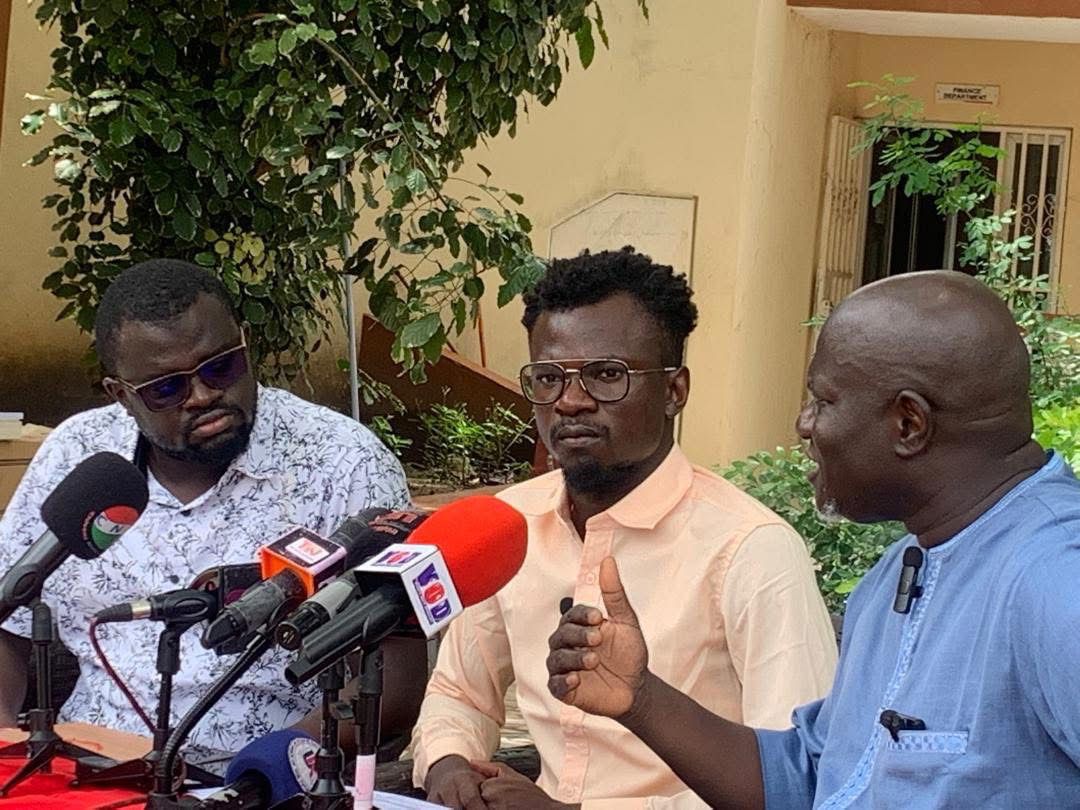
In a statement released on Wednesday, May 13, 2026, activist Omar Camara announced the submission of the petition on behalf of himself, human rights advocate Madi Jorbateh, and Baboucarr Nyang.
The document was delivered to the Clerk of the National Assembly via the National Assembly’s Petitions Committee. The move comes amid growing public outrage over a leaked audio recording in which Njie is allegedly heard making remarks that reference ethnicity – particularly identifying individuals as “Mandinka” – while discussing influence over appointments, dismissals, and targeting of public officials based on perceived political affiliations.
The petitioners invoke key provisions of the 1997 Constitution, including Sections 17 (fundamental rights and freedoms), 25 (freedom of association, participation, and expression), 26 (equal opportunity to serve in public affairs), 33 (prohibition of discrimination on grounds of ethnicity, language, political opinion, or social origin), and 212 (promotion of national integration and unity). They also reference Standing Orders 125–129 of the National Assembly, which govern the handling of public petitions.
In the petition, the trio highlights statements attributed to Njie from publicly circulated recordings and transcripts. These allegedly include suggestions that individuals could be denied public office or removed from employment for criticizing the President or for political affiliation; references to ethnicity in administrative contexts; implications of personal involvement in appointment and dismissal decisions; and intentions to pursue the removal of officials based on perceived sympathies.
“These matters raise serious concerns regarding equal protection of the law, non-discrimination in public administration, constitutional governance, political neutrality of public institutions, national cohesion and unity, and public confidence in democratic institutions,” the petition states.
The activists emphasize that the issues concern national policy and fall squarely within the National Assembly’s oversight responsibilities. They note that previous public calls for accountability have not elicited a satisfactory institutional response, and confirm that the matters are not pending before any court.
Their specific prayers to the Assembly include admitting the petition, referring it to the Public Petitions Committee for inquiry, conducting an impartial parliamentary investigation into Njie’s statements and conduct, assessing consistency with constitutional and ethical obligations, recommending appropriate measures if allegations are substantiated, and reaffirming commitments to constitutionalism, accountability, unity, and non-discrimination.
Seedy SK Njie, a politician affiliated with the ruling National People’s Party (NPP) and serving as Deputy Speaker, has faced mounting criticism following the audio leak. Reports suggest the recording captures him in a private meeting discussing actions against individuals like former GRTS staff Abubacarr Darboe and Permanent Secretary Ousman Ceesay, allegedly on ethnic and political grounds. Critics, including Jobarteh, have previously called for Njie’s immediate resignation or removal, citing violations of constitutional principles and potential contempt of the Assembly.
Njie’s political career includes prior affiliations with the Alliance for Patriotic Reorientation and Construction (APRC) before joining the NPP. His role as a nominated member and subsequent election as Deputy Speaker have been controversial in some quarters.
The petition arrives at a sensitive time for Gambian democracy, as the country continues to grapple with issues of national unity, public service neutrality, and accountability in the post-Jammeh era. Supporters of the petition argue that allowing such allegations to go unaddressed could erode trust in institutions and fuel ethnic tensions.
At the time of filing, the National Assembly had not issued an official response to the petition’s admission or referral. The Clerk is expected to process it in line with standing orders, potentially triggering hearings that could involve Njie and witnesses.
Omar Camara, Madi Jorbateh, and Baboucarr Nyang signed the document dated May 13, 2026, concluding with a call for the Assembly to uphold its role as a guardian of constitutional values.
The development has sparked widespread discussion on social media and in civic circles, with many Gambians monitoring how lawmakers will respond to this direct challenge involving one of their own. Analysts say the outcome could set a precedent for parliamentary oversight of its members and reinforce – or undermine – public faith in the separation of powers and protection of rights.