By: Momodou S. Gagigo
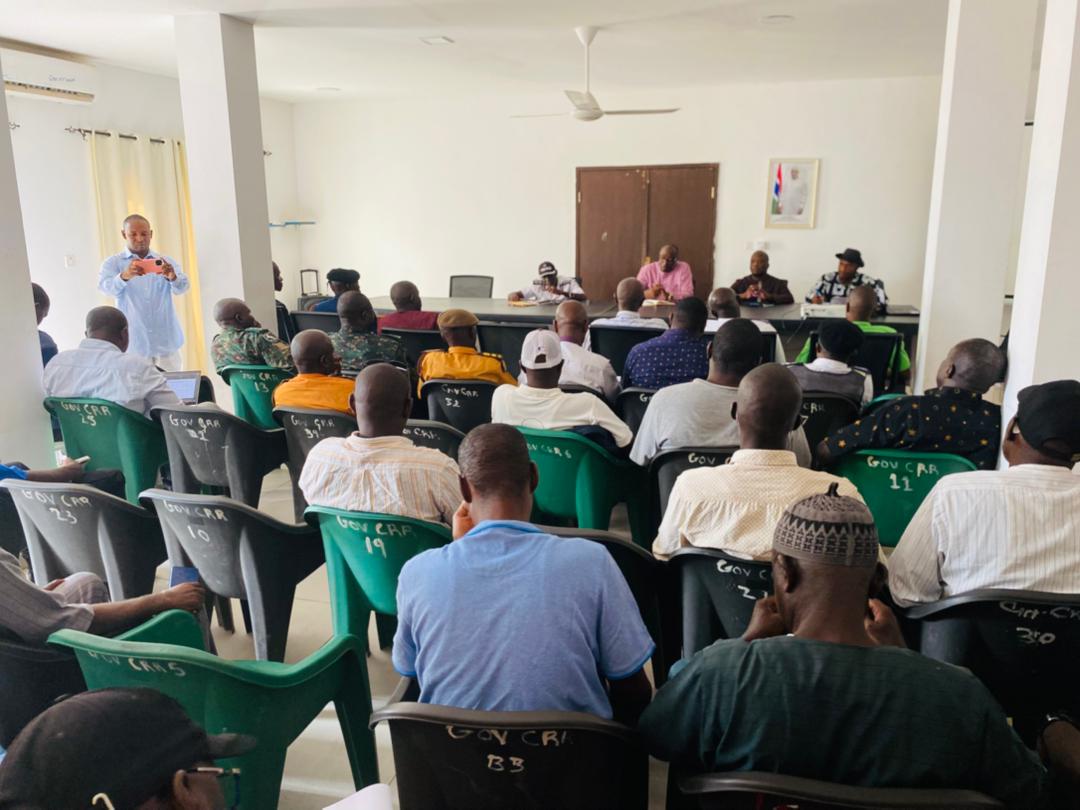
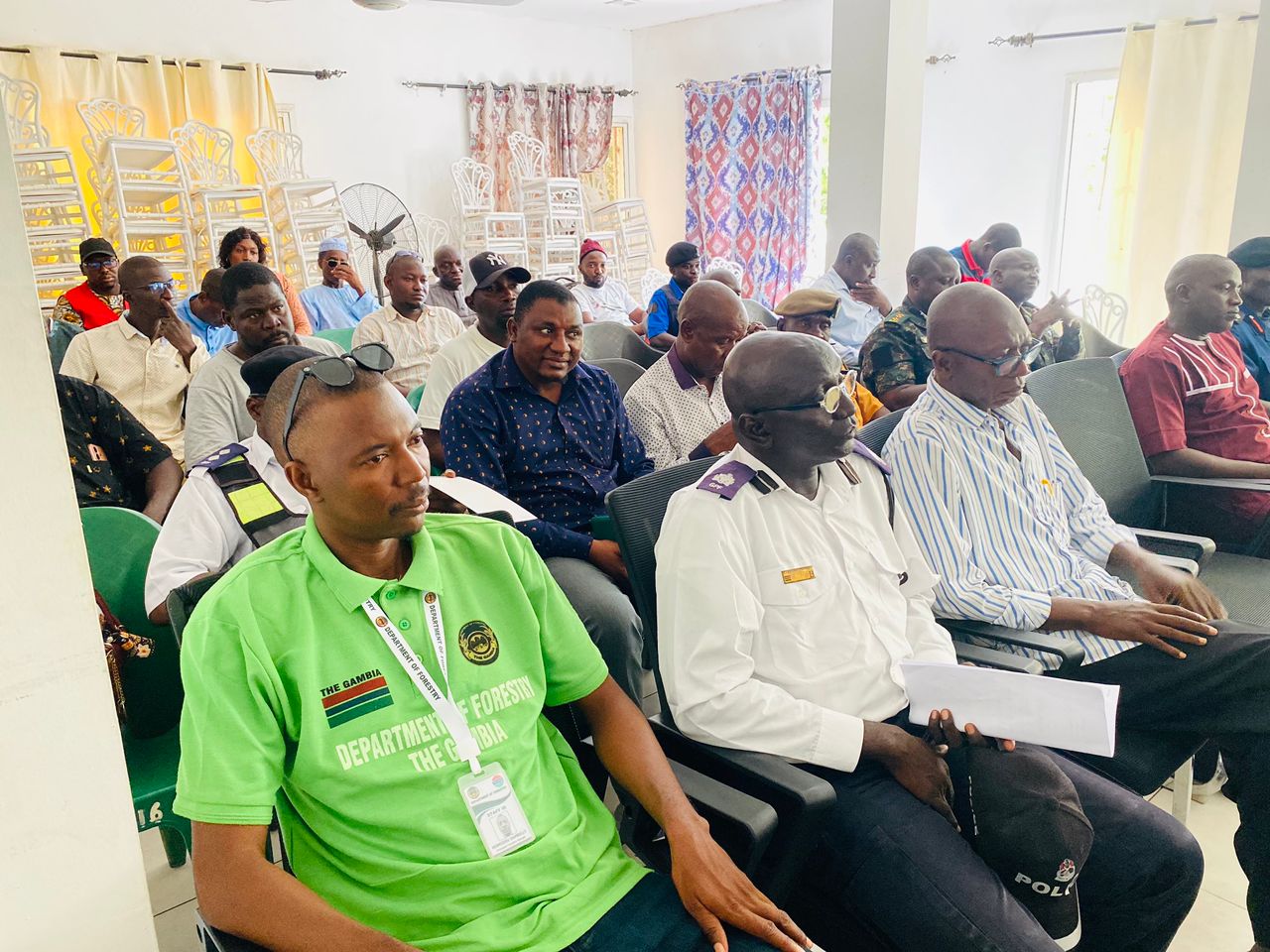
The Governor’s office in Central River Region, with support and funding from ActionAid International The Gambia, has brought together senior government officials and non-governmental organizations for a Technical Advisory Committee (TAC) meeting to review progress, address pressing community challenges, and chart a more effective path for development in the Central River Region (CRR).
The high-level engagement, held at the Governor’s Office in Janjanbureh, underscores the commitment of ActionAid International The Gambia and the CRR Governor’s Office to fostering inclusive dialogue, transparency, and collaborative governance. Participants assessed the implementation of previous recommendations while identifying gaps that continue to affect local livelihoods and service delivery.
Governor of CRR, Ousman Bah, called for bolder and more practical approaches to ensure that quarterly meetings translate into tangible outcomes.
“We need to think outside the box. We should divide the TAC into sub-committees, including one dedicated to following up on the recommendations we make, so that our quarterly presentations lead to real action and measurable results,” Governor Bah said.
He further proposed broadening participation in future interface meetings to include key sectors such as agriculture, health, and security services. This expansion, he argued, would guarantee faster and more targeted responses to concerns raised by communities.
During discussions on land-use conflicts, Bakery Korra, Regional Coordinator of the Gambia Livestock Marketing Agency, clarified the limits of his organization’s mandate regarding the encroachment of grazing lands and cattle tracks.
“Whenever farmers raise concerns about the encroachment of grazing lands and cattle tracks, we refer them to our sister institution, the Department of Livestock Services, because they are responsible for handling those matters,” Korra explained. “Our mandate is strictly livestock commercialization, including livestock marketing and the collection of cattle tax on behalf of the Government of The Gambia.”
Korra also highlighted security risks associated with tax collection, noting that staff transport cash in person from remote villages. He said the agency maintains close coordination with the police, who provide escorts during field operations, and ensures that all revenue is deposited into government accounts the same day.
Meanwhile, Janko Baldeh, Regional Administrator at Riders for Health (RFH), drew attention to critical gaps in emergency healthcare. He described how night-time medical referrals are hampered by unreliable river transport.
“During emergencies at night, ambulance drivers have to rely on private boat owners to ferry patients across the river, with costs often falling on the patient’s relatives. In some cases, families pay up to D300 for the crossing,” Baldeh said. He appealed for 24-hour ferry services or naval support to guarantee timely and affordable emergency transport.
The TAC meeting is expected to pave the way for greater inclusion of local communities in future engagements, strengthening grassroots voices in regional development planning.