By: Sainabou Sainabou
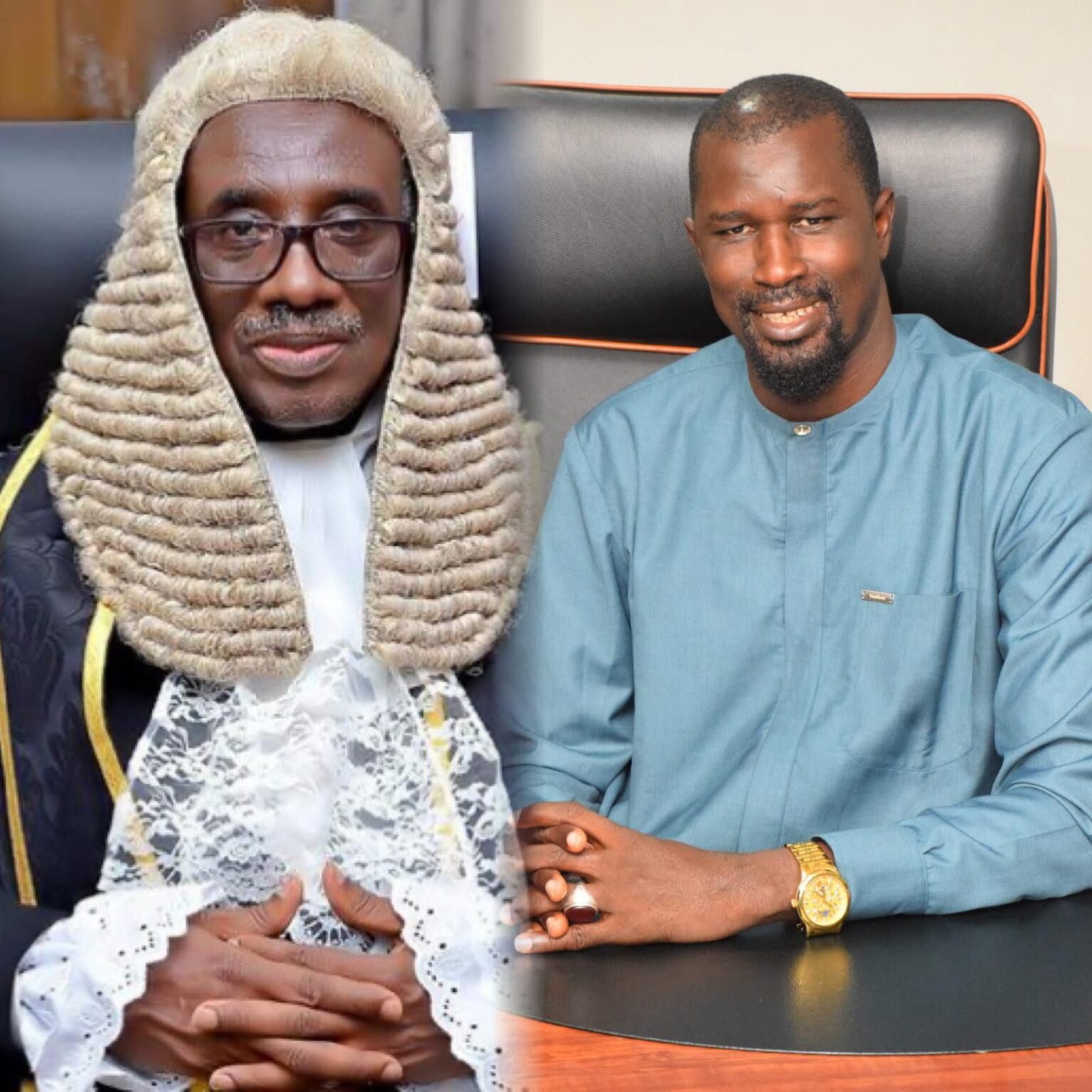
Gambia’s Supreme Court has scheduled judgment for Friday, July 10, 2026, at 10:30 AM in a high-profile civil appeal that tests the limits of presidential power over independent constitutional offices.
Former Auditor General Modou Ceesay is challenging his removal from office, naming the Inspector General of Police and the Attorney General as respondents. The case, which has captivated public and legal attention, centers on allegations that President Adama Barrow bypassed mandatory constitutional safeguards to oust Ceesay after he declined a ministerial appointment.
The appeal follows a full-day hearing on February 25, 2026, before Chief Justice Hassan B. Jallow and fellow justices. Lead counsel Lamin J. Darboe argued that the executive violated Sections 158 to 160 of the 1997 Constitution and Section 16 of the National Audit Office Act. These provisions protect the Auditor General from arbitrary removal, allowing dismissal only on grounds of inability, misbehavior, or incompetence, and only after a formal tribunal investigation, during which the officeholder has the right to be heard.
“None of that happened here,” Darboe told the court. “No tribunal was constituted, no formal allegations were presented, and no chance to defend was given.”
Darboe contended that President Barrow created an “artificial vacancy” by offering Ceesay the position of Minister of Trade, Industry, Regional Integration, and Employment in September 2025. Ceesay explicitly rejected the offer, returning the appointment letter and issuing a formal written refusal the following day. Despite this, authorities announced Cherno Amadou Sowe as successor and deployed police to remove Ceesay from the National Audit Office physically.
State-hired counsel Ida Drammeh countered that Ceesay vacated the office upon the presidential appointment under Section 71, regardless of his later refusal. She described the police action as lawful enforcement of a new appointment rather than an unlawful eviction.
Amicus curiae Abdoulie Fatty warned of dangerous precedents, stressing the Auditor General’s constitutionally guaranteed independence and the principle of audi alteram partem (the right to be heard).
The dispute erupted in September 2025 during a cabinet reshuffle when President Barrow offered Ceesay the trade ministry portfolio. Ceesay’s public refusal – believed to be the first of its kind in Gambia – triggered immediate controversy. Critics linked the move to ongoing audits potentially embarrassing to the administration. Police enforcement of the successor’s installation sparked youth-led protests and widespread criticism over perceived executive overreach.
Legal observers say the judgment will have far-reaching implications for the separation of powers and the independence of oversight institutions in Gambia’s young democracy, more than eight years after the 2017 transition from authoritarian rule.
A ruling in Ceesay’s favor could strengthen protections for constitutional offices, while a decision for the state might broaden presidential authority in personnel matters.
All parties, including counsel L.J. Darbo and representatives from the Attorney General’s Chambers, have been notified. The court has adjourned the matter specifically for judgment delivery.