By Sainabou Sambou
President Adama Barrow has described new road and health infrastructure projects in the Central River Region North as major social investments aimed at improving connectivity, access to essential services and economic opportunities for rural communities.
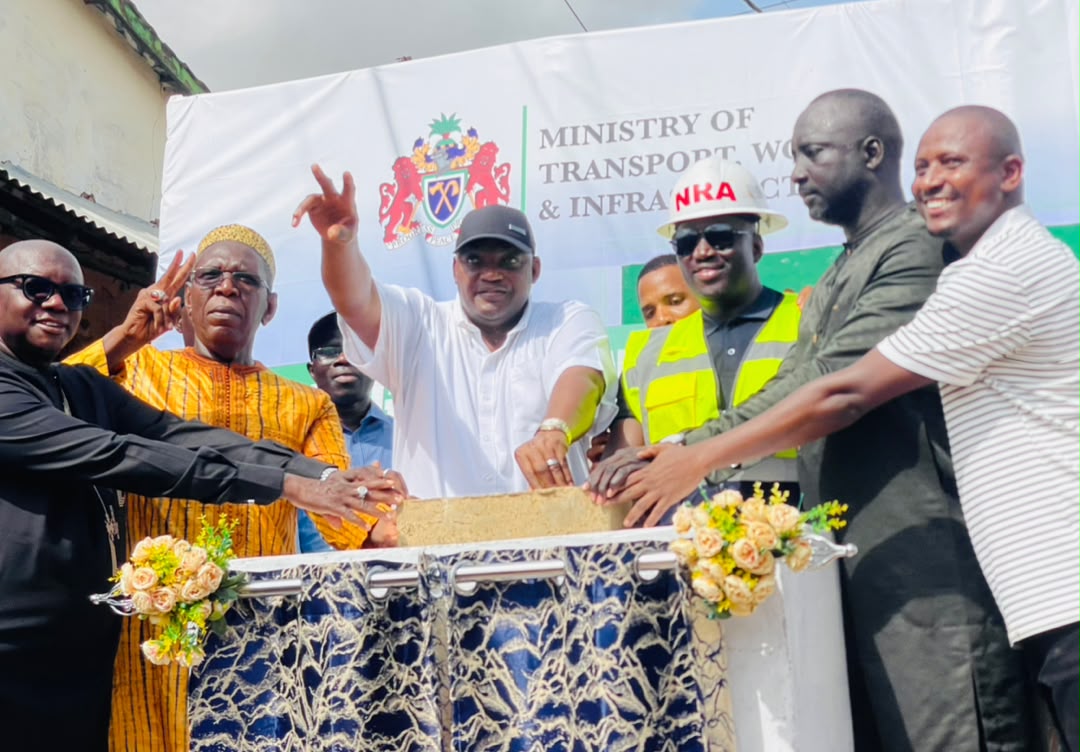
President Barrow made the remarks on Monday, August 10, 2026, during his tour of the region, where he inaugurated the 12-kilometer Njau Loop Project, laid the foundation stone for a 52-kilometer Ngayen-Sanjal road project, and inaugurated health posts in Balangharr Jaloto and Buduck.
At Balangharr Jaloto, the President inaugurated a health post and handed over an ambulance, before proceeding to Buduck where another health post was inaugurated.
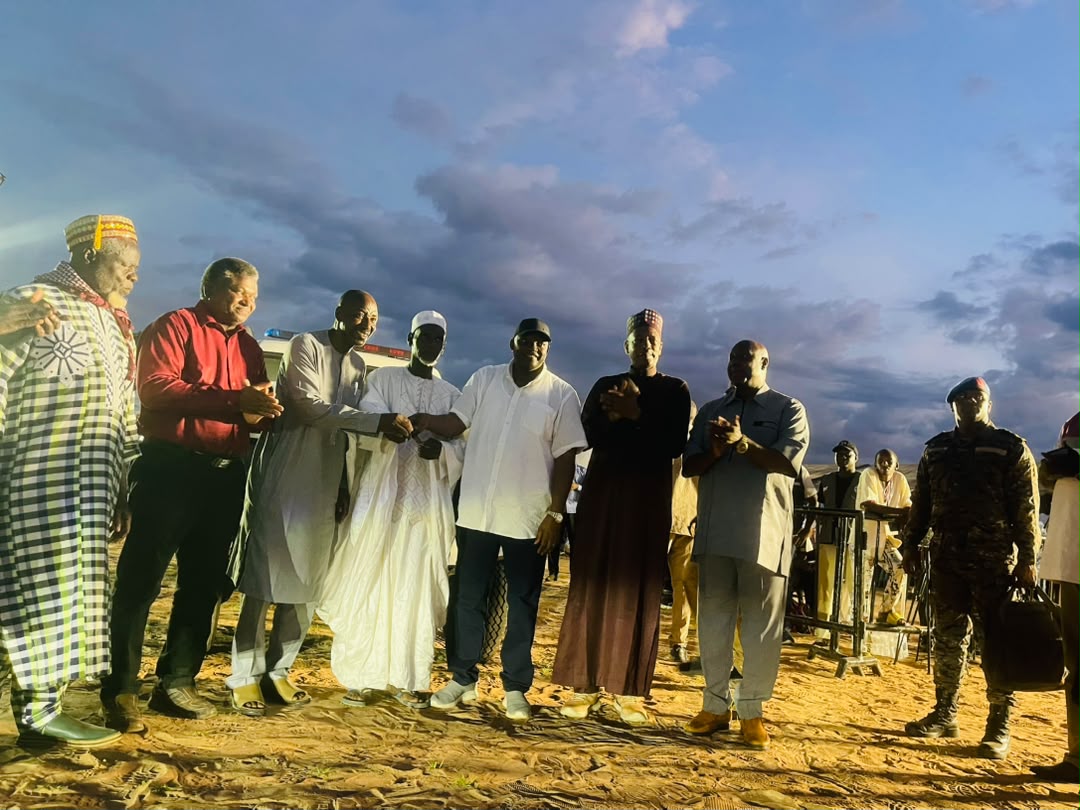
Speaking about the significance of the health facilities, President Barrow said the projects were designed to address the difficulties faced by people in remote communities who have to travel long distances to access healthcare.
“Most people travel a long distance to access health facilities. That’s why we decided to build health posts in remote areas, so that the women can access health facilities easily, and also it can help in their welfare,” he said.
The President said the health facilities, together with the road projects, form part of the government’s social development agenda.
He also highlighted the country’s long-standing road connectivity challenges, saying some communities had remained disconnected for decades.
“Nianija was considered as the poorest constituency, district, for that matter, because it was not accessible. Today, you can come to Nianija easily,” President Barrow said.
In Njau, the President officially inaugurated the 12-kilometre all-weather Njau Loop Road, describing it as an important development for the community and surrounding areas.
Earlier, at Ngayen Sanjal, he laid the foundation stone for a 52-kilometre road project aimed at improving connectivity in the Sanjal district.
In his address at the Central River Region North general meeting in Njau, held under the theme “Bridging Communities, Building Prosperity,” President Barrow said the road projects should not be viewed merely as physical structures.
He described roads as a lifeline for a people, saying they would connect farmers to markets, children to schools and families to healthcare and other essential services.
According to President Barrow, the Central River Region North is the country’s food basket, making infrastructure development in the region critical to national food security and economic growth.
He said improved roads would empower farmers, strengthen food distribution, create jobs, stimulate investment and make the region more attractive to agribusiness and other industries.
“New roads open new doors, so make the most of every door that comes your way to forge a better future for yourselves,” he told young people in the region.
President Barrow also urged residents to take ownership of the infrastructure by protecting the roads from misuse and vandalism.
He commended the National Roads Authority and contractors for what he described as their professionalism and commitment to quality work, while calling for the same standard to be maintained on the Ngayen-Sanjal project and other ongoing projects.
The President expressed satisfaction with the completion of the Njau Loop and the delivery of the health facilities, saying the projects demonstrate the government’s commitment to bringing development closer to rural communities.
“I’m very happy because I have seen the end of the project. We are able to deliver the project to the people. The communities are happy, and we are happy,” he said.
He said development should not be considered the responsibility of government alone, but a collective responsibility requiring communities and citizens to work together in peace and unity.