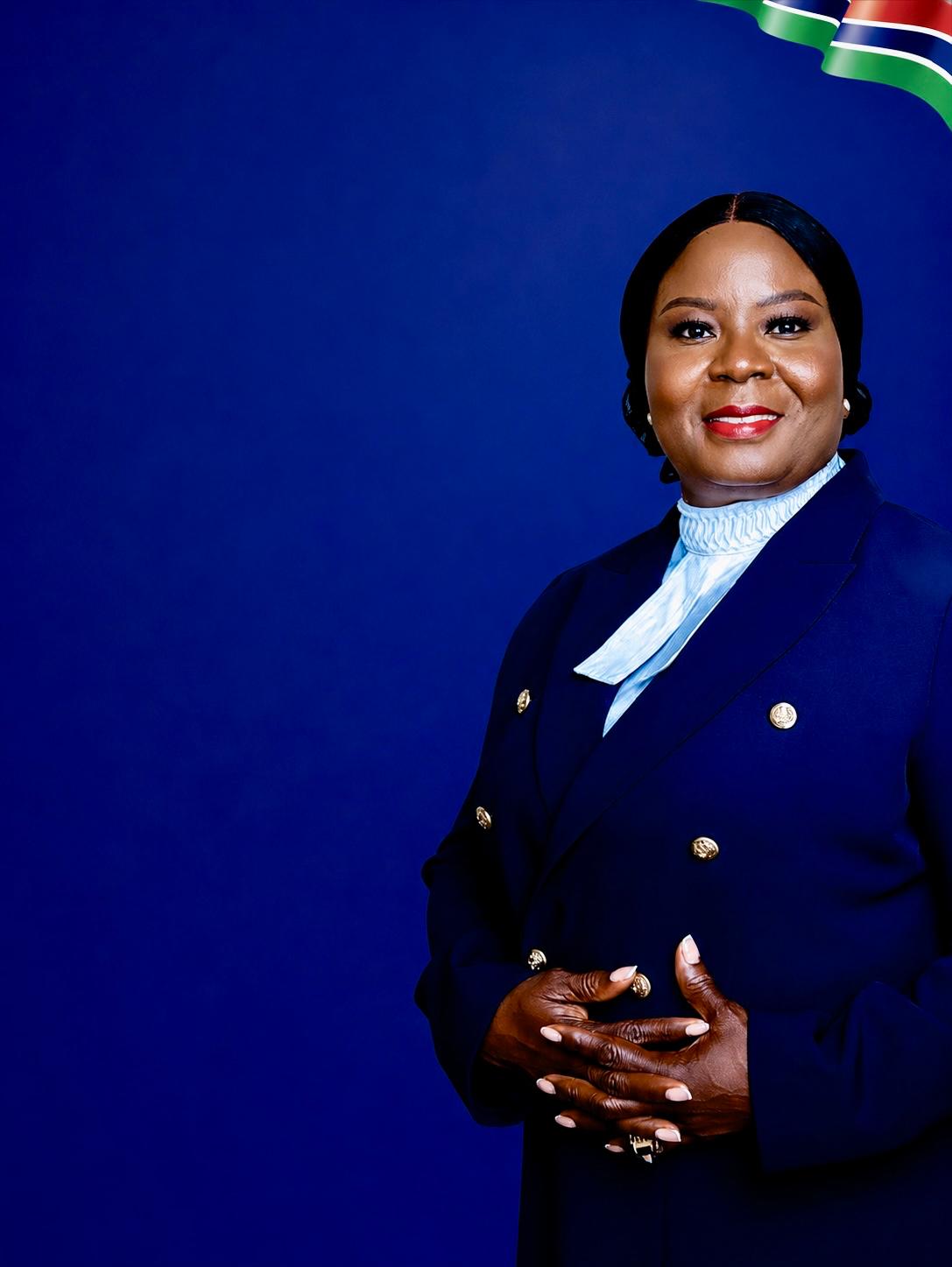
Justice Veronic Wright, a senior Gambian judge, has been nominated by The Gambia as its candidate for judge of the International Criminal Court, bringing the voice of a small West African nation and the perspective of an African woman to the global fight against impunity. If elected for the 2027–2036 term, she would become the first Gambian woman to serve on the ICC bench.
Launched on 19 June at UN Headquarters in New York, her candidacy under List A (Criminal Law and Procedure) highlights The Gambia’s growing role in international justice. With over 35 years of experience, Wright currently serves as a Judge of the Court of Appeal and Acting Justice of the Supreme Court in The Gambia. Her career spans national prosecutions, transitional justice work on the proposed Gambia-ECOWAS Special Tribunal, and nearly 18 years in senior United Nations roles, including serving as a prosecutor at the International Criminal Tribunal for Rwanda and as a senior adviser on sexual and gender-based crimes at UNITAD.
At the heart of her candidature is a powerful, victim-focused vision for the Court. Wright draws inspiration from her ICTR days, where a Rwandan genocide survivor told her: “I did not think that my family was important enough for the ICTR to want to know what happened to us.” These words, she says, continue to shape her approach.
“I envisage a court where victims and survivors, including the survivors of sexual violence and the children caught up in conflict, are at the heart of its proceedings,” Wright has stated. She insists that the ICC’s legitimacy rests not only on outcomes but on the fairness of the process.
As a judge, she vows to remain grounded in the Rome Statute and established jurisprudence while ensuring every person before the Court receives a fair, independent, and impartial trial. Her emphasis on sexual and gender-based crimes and crimes against children reflects decades of specialized work in these areas.
Coming from The Gambia — a small nation that has itself pursued bold international accountability measures, including its landmark genocide case against Myanmar at the International Court of Justice — Wright represents a vital perspective. Her nomination symbolizes the demand for greater African and female representation on the ICC, ensuring the Court reflects the regions most affected by the crimes it adjudicates.
Supporters, including former Commonwealth Secretary-General Sir Donald C. McKinnon and The Gambia’s Chief Justice Hon. Hassan B. Jallow, praise her integrity, breadth of experience across legal systems, and proven judicial temperament. Fluent in English with working knowledge of French, Wright bridges common and civil law traditions.
As States Parties prepare to vote, Wright’s candidature offers more than a personal milestone. It promises to strengthen the ICC’s connection to victims and reinforce the principle that justice knows no borders — no matter how small the nation advocating for it.