By Kebba Ansu Manneh
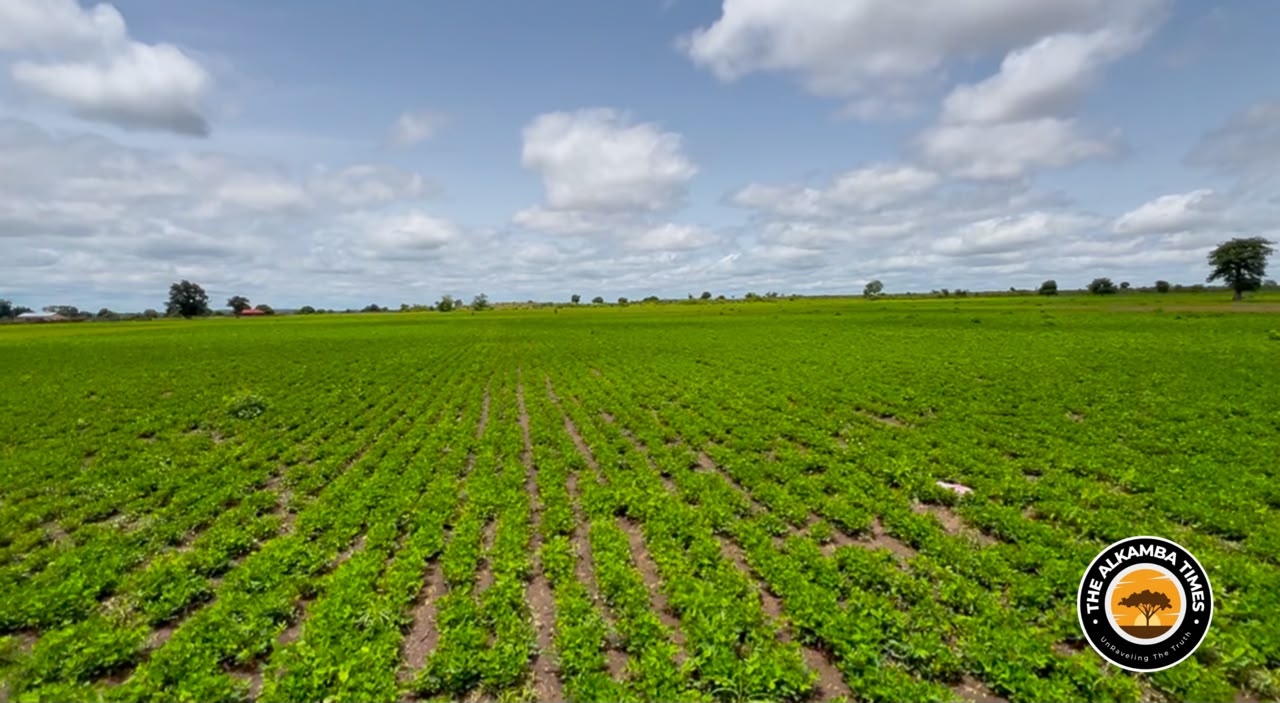
Calm has returned to border communities in The Gambia after Senegalese authorities allowed Gambian farmers to resume activities on their farmlands. This follows earlier notices from Senegalese officials ordering hundreds of farmers to stop working on plots claimed as Senegalese territory.
The shift comes after a unanimous appeal by affected Gambian farmers to both the Gambian and Senegalese governments. They urged officials to suspend border discussions until the dry season, giving them time to complete farming activities on any disputed land along the shared border.
Scores of farmers who spoke with TAT confirmed they have returned to their fields and are continuing work without interruption from the Senegalese Gendarmerie or local authorities. While Senegalese Gendarmerie have been spotted in certain communities in Lower Saloum, Upper Saloum and Jarra East, they have not interfered with farming activities.
Fafa Ceesay, a native of Jimbala Kerr Musa in Lower Saloum District, Central River Region, whose farmland lies along the disputed border area, was among those notified by Senegalese authorities on 18 July 2026. He confirmed that farmers have returned to their plots without any disruption. “This development has reduced the concerns and worries of more than half of the villagers whose farms fall in the disputed areas,” Ceesay said.
He observed that the border crisis should not have been ignited in the middle of the rainy season. Instead, he argued, such matters should be addressed during the dry season when farmers are no longer working the land. Ceesay advised leaders of both countries to engage in dialogue and consultations to find a permanent solution before the next rainy season.
Ebrima Ceesay, from Panchang Makka Gui in Upper Saloum District, Central River Region, also confirmed that farmers have been back on their farms since late last week without interruption. Many had feared losing their entire harvests due to the earlier order. He applauded both governments for resolving the matter amicably without resorting to violence. “People of the two countries have been working across borders for decades without conflict or disagreements on farmlands,” he noted.
Bakary Dem, a resident of Dongoroba in Jarra East District, Lower River Region, similarly reported that farmers have returned to their various farmlands in Senegal without interference. The development has eased concerns among Dongoroba farmers, the majority of whom cultivate plots in Sare Bogal in Senegal. He called on both governments to allow farmers to complete their work before any further border discussions. “Border issues can be better discussed in the dry season, with farmers notified in good time before they start work on their farms,” Dem said.
Many other farmers expressed similar views, stressing that they had invested thousands of dalasis in their fields. Evicting them mid-season would have had a devastating impact on their livelihoods and food security for the coming year.
The temporary easing of tensions has brought welcome relief to communities that depend heavily on cross-border farming. Residents hope the goodwill shown by both sides will lead to lasting clarity on the boundary so that future planting seasons can proceed without fear or disruption.