By Momodou Gagigo
As the 2026 rainy season unfolds unevenly across The Gambia, farmers are facing a growing crisis fueled by erratic rainfall and prolonged dry spells, raising serious concerns about the viability of this year’s harvest and the livelihoods of thousands who depend on agriculture.
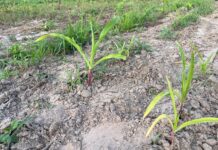
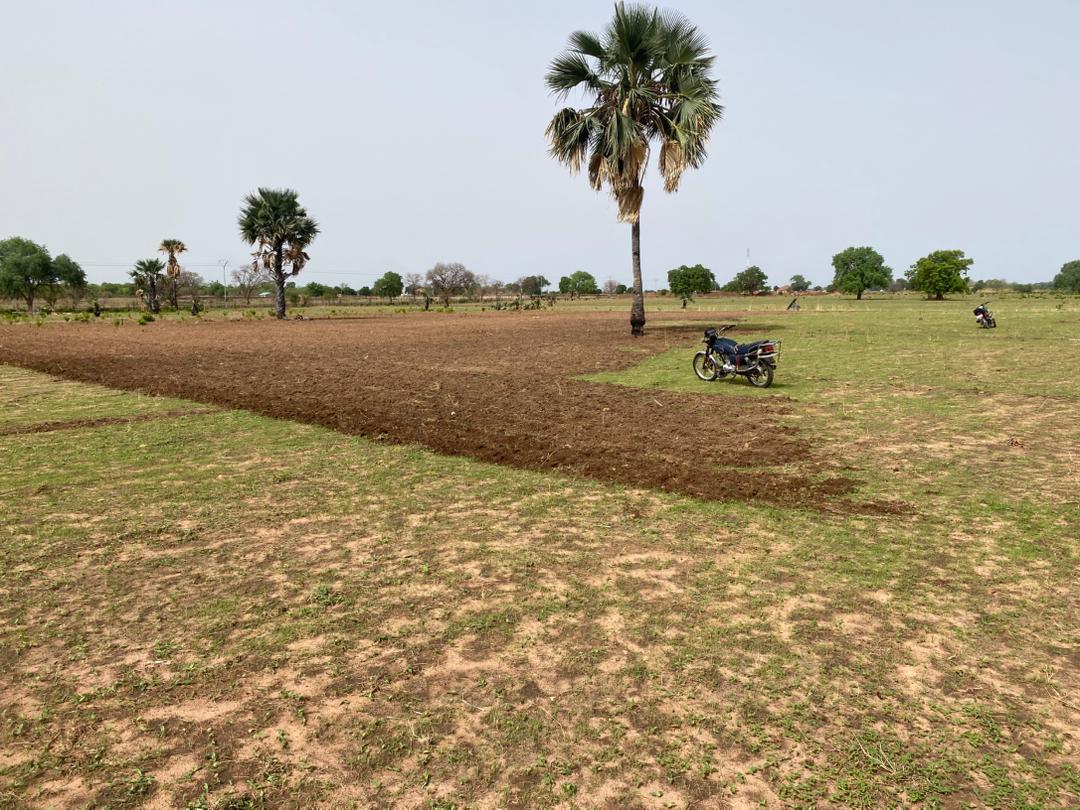
While some communities in the Upper River Region have seized early showers to sow groundnuts and millet, vast areas in the Lower River Region and Central River Region remain parched. Newly planted seeds are wilting in several villages, and many farmers have yet to begin land preparation due to insufficient moisture. The unpredictable weather, experts say, underscores the intensifying impact of climate change on the country’s rain-fed farming systems, which form the backbone of rural economies.
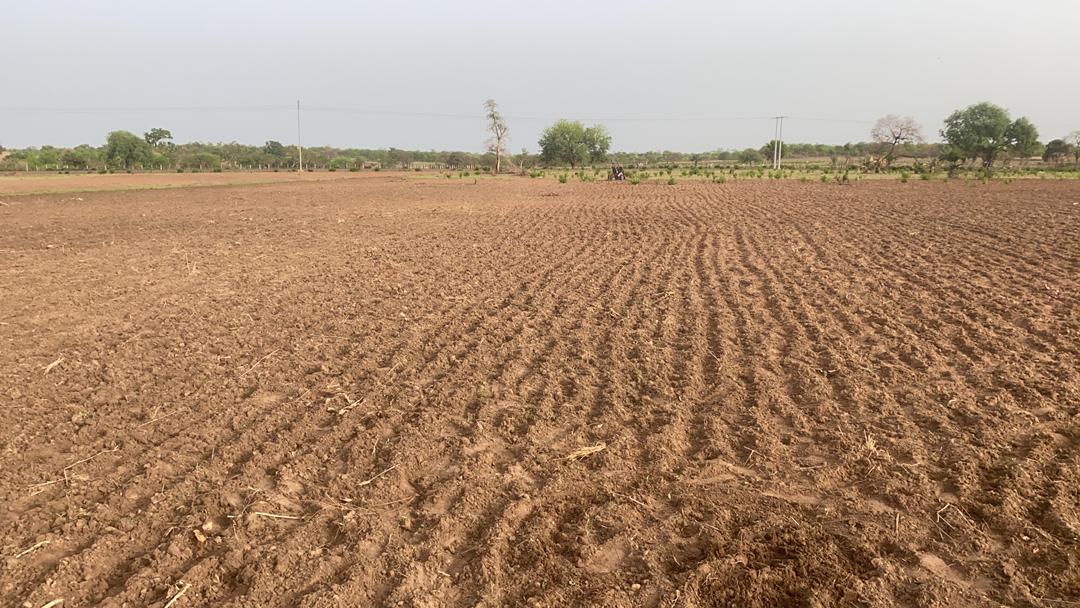
In Sandy Kunda, Sare Mansalli, and Mankamang Kunda, optimistic farmers have already committed resources to planting. Yet in the Lower River Region, dry conditions are threatening young crops, forcing growers to watch anxiously as their investments risk drying up. Similar anxieties grip parts of the Central River Region, where erratic rainfall has stalled fieldwork entirely.
Ebrima Jawneh, a seasoned groundnut farmer, voiced the despair felt by many. “This season, only God can help us,” he said. “We have cleared our fields, prepared our seeds and even paid for tractor services, but the rain has stopped. We are praying it comes soon before everything is lost.”
The situation extends beyond crops to livestock. Delayed rains mean scarce pasture, heightening the risk of conflict between herders and crop farmers. Gibbie Baldeh, a herdsman, warned that animals could stray into cultivated fields in search of food, sparking tensions. “When the rains delay, there is not enough grass for animals to graze. Livestock owners are left with few options,” he explained.
Ebrima O. Jallow, President of the National Livestock Owners Association (NaLOA), highlighted the recurring seasonal frictions. As crops germinate, access to water points becomes contested, particularly where designated cattle tracks and drinking points are absent or ignored. “Once crops start germinating, livestock farmers cannot easily access water points, and this sometimes brings conflict because animals also need water to survive,” Jallow said.
He urged mutual responsibility: crop farmers should avoid planting on cattle routes and near drinking points, while livestock owners must manage their herds responsibly. Jallow called on village alcalos and chiefs to enforce rules protecting grazing corridors. “Conflict is not something that we should encourage,” he stressed. “We must manage our resources and environment better so that animals can have access to water and grazing areas while farmers cultivate their land without interruption.”
Agricultural experts emphasize that adaptation is now as critical as production itself. Mustapha E. Ceesay, Senior Agricultural Assistant at the Department of Agriculture, noted that rainfall across West Africa is becoming increasingly erratic due to climate change. He advised farmers to exercise patience and wait for consistent rains rather than planting after isolated showers that may lead to crop failure.
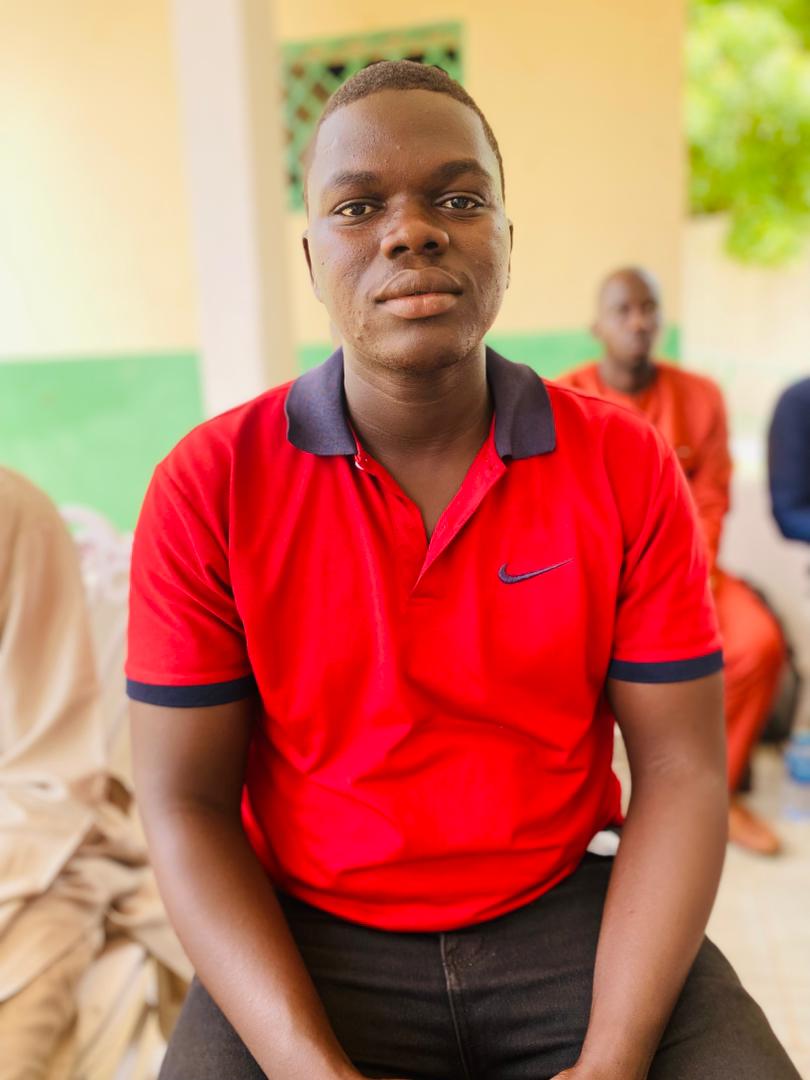
“Farmers should remain patient and wait for established rains before planting,” Ceesay said. He recommended adopting early-maturing and drought-tolerant varieties of groundnut, millet, sorghum, maize, and rice. Additional strategies include conserving soil moisture through reduced tillage, retaining crop residues, constructing bunds and contour ridges, and weeding in a timely manner. Diversifying crops, timing fertilizer use with moisture availability, and monitoring weather forecasts are also key.
Ceesay further encouraged environmental protection measures: planting trees around farms, curbing bush burning, maintaining vegetation cover, and applying organic manure to enhance soil health and water retention. “Climate change demands new farming approaches,” he added.
“Strengthening community cooperation through sharing rainfall information, labor and resources will help farmers respond more effectively to localized weather extremes.
The Department of Water Resources’ 2026 Seasonal Climate Forecast paints a complex picture. It predicts moderate-to-long dry spells early in the season, followed by potentially wetter conditions later that could trigger flash floods. High variability in water resources is expected, with implications stretching beyond agriculture to health, energy, disaster management, and tourism.
For Gambian farmers, the immediate priority remains straightforward: the return of reliable rainfall. With fields cleared, seeds purchased, and significant investments already made, entire communities now look skyward, hoping the 2026 season does not slip away. As climate pressures mount, the coming weeks will prove decisive for whether adaptation efforts and traditional resilience can secure a viable harvest.