By: Kebba Ansu Manneh
The ECOWAS Parliament on Monday, July 6, 2026, kicked off a four-day citizen engagement campaign in The Gambia aimed at combating irregular migration and modern slavery, under the slogan: “One Journey, Many Risks. Ask First, Move Safely.”
The initiative seeks to raise awareness among vulnerable youth and communities about the perils of the so-called “Back-Way” route to Europe and the exploitative practices of traffickers. Parliamentarians will hold town hall meetings in key areas including Bakau, Barra, and Brikama, directly interacting with youths, returnees, community leaders, civil society organizations, and ordinary citizens.
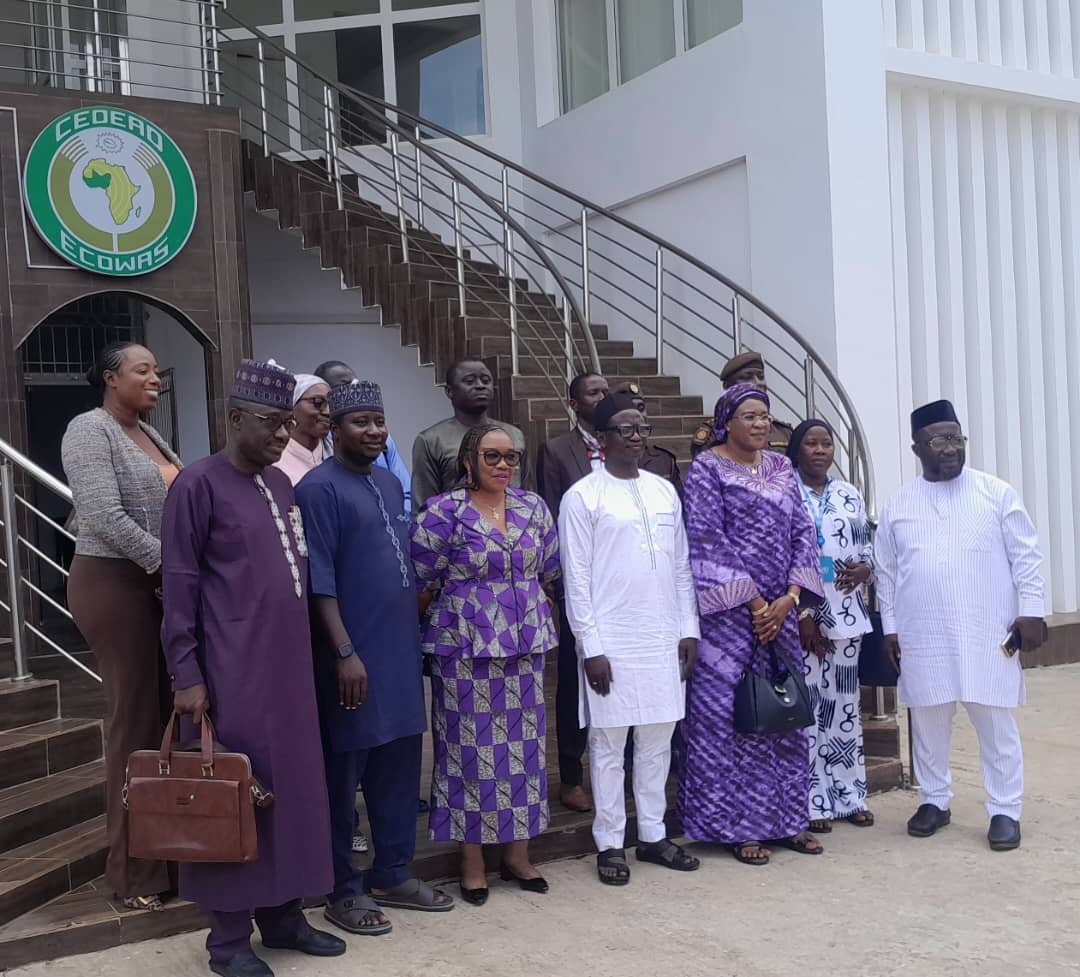
The program began with a courtesy visit to the ECOWAS Resident Representative in The Gambia, followed by stakeholder engagements involving the International Organisation for Migration (IOM), National Agency Against Trafficking in Persons (NAATIP), Gambia Immigration Department (GID), and the National Youth Council (NYC).
Miatta French, ECOWAS Resident Representative in The Gambia, described the campaign as “apt and timely,” emphasizing that a regional approach is essential to tackle a problem that transcends borders. “Gambia is posed with the challenges of containing agents that lure youths and families into the dangers of irregular migration and modern slavery,” she said. These agents often entice victims with false promises of jobs and better lives that do not exist.
Hon. Billay G. Tunkara, Head of the Gambian delegation and Fourth Deputy Speaker of the ECOWAS Parliament, said the lawmakers are acting as advocates to complement government efforts. “The Parliament serves as a vuvuzela for the voices of the community,” he noted. “We are leaving the comfort of our chambers to reach out to the grassroots, especially the youths who are most vulnerable.”
Tunkara warned of the demographic risks, pointing out that 60% of Gambia’s population consists of young people. “If care is not taken… we might risk having a country in the future where drug abuse, rapists, and disobedience to law will be the order of the day,” he said. Sessions will also address drug abuse alongside migration dangers, with the goal of “resetting the minds of our young people” who represent “the hope of the society.”
Dr. Muhammed Kabeer Garba, Director of Parliamentary Affairs and Research at the ECOWAS Parliament, praised the outreach as a dynamic and patriotic move. He explained that parliaments exist not only for law-making but for representation on issues threatening society. The delegation will also visit Senegal, another key transit route for migrants from West and Central Africa.
Garba identified key drivers of irregular migration as poverty, limited economic opportunities, insecurity, environmental pressures, and aspirations for better lives. Many youths underestimate the risks, including exploitation, violence, trafficking, forced labor, and sexual exploitation—particularly affecting women.
The campaign’s objective is to sensitize citizens, gather first-hand insights from communities, and strengthen parliamentary engagement. Through direct dialogue, ECOWAS lawmakers aim to promote informed decision-making and collective action against human trafficking across the region.
The four-day Gambia program forms part of a broader two-week mission that underscores the sub-regional parliament’s commitment to tackling one of West Africa’s most pressing humanitarian challenges at the community level.