By: Kebba Ansu Manneh
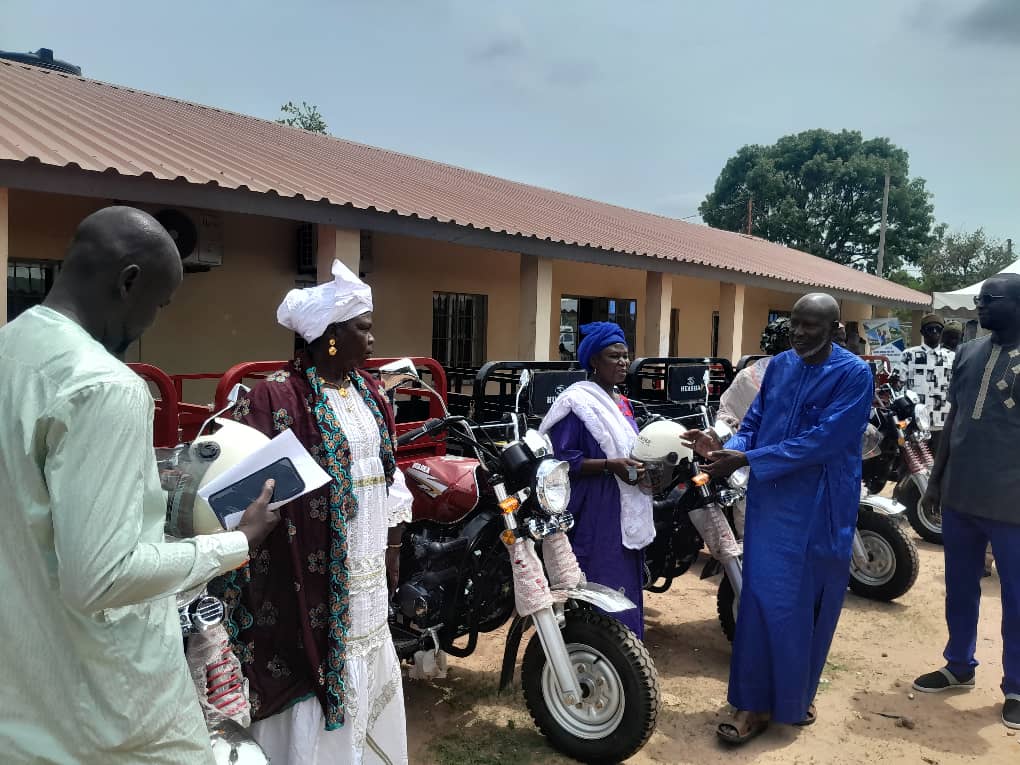
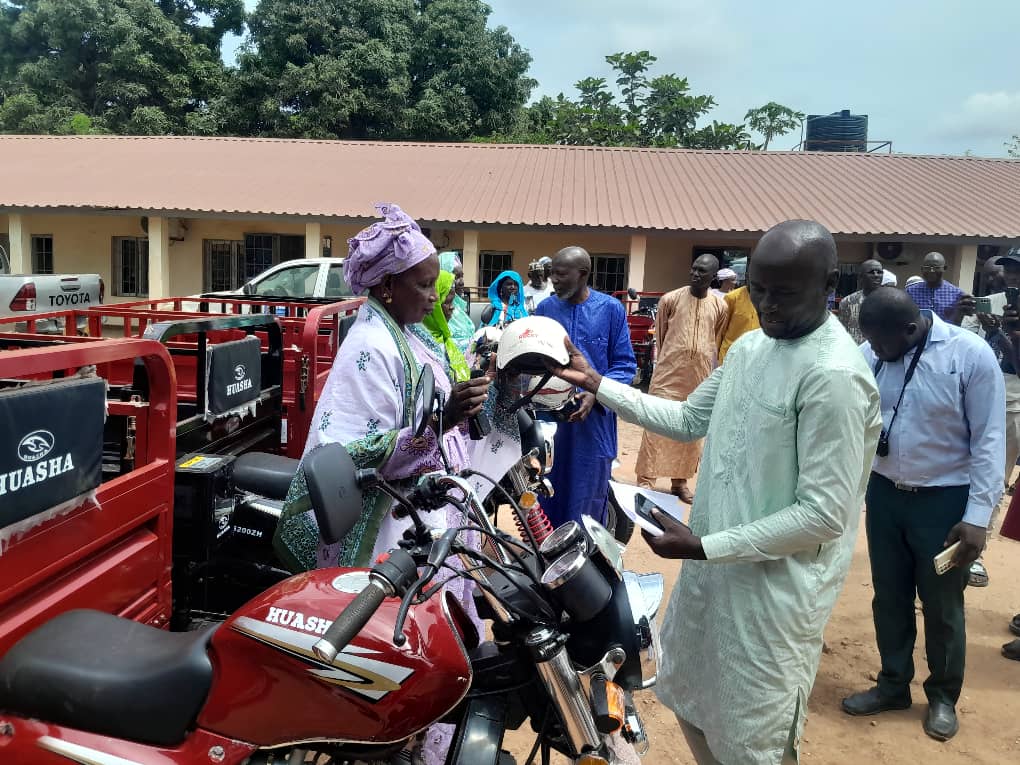
In a significant boost to smallholder agriculture, the Gambia Agricultural and Food Security Project (GAFSP) on Friday, July 3, 2026, distributed 13 tricycles to women vegetable farmers and aggregators across the country to improve market access and reduce post-harvest losses.
The handover ceremony highlighted the project’s ongoing commitment to empowering rural women, who form the backbone of horticultural production in The Gambia. Project Director Momodou S.W. Sowe described the tricycles as a “significant milestone” designed to ease the transportation burden for small-scale farmers, particularly those in remote areas far from main roads.
“Since its inception, GAFSP has been fully engaged in supporting and promoting women’s agricultural activities in 49 communities,” Sowe said. During the 2025-2026 farming season, the project reached more than 9,233 smallholder farmers, 95 percent of whom are women. These farmers produced 1,460 metric tons of assorted vegetables valued at approximately D39 million.
Production highlights included 179 metric tons of tomatoes and 157 metric tons of cabbage, with bell peppers recording the highest market value. Regionally, the West Coast Region led with 580 metric tons (39% of total output), followed by CRR-North at 370 metric tons (26%). Land efficiency in the West Coast stood out, generating an estimated D546,000 per hectare for women gardeners. Average earnings per farmer reached D11,141 in the West Coast and D12,525 in the North Bank Region.
“The donated tricycles will mainly support vegetable gardens that are off the road, facilitate timely access to inputs, and help reduce post-harvest losses,” Sowe explained. Beyond horticulture, the project has strengthened 52 small and medium enterprises (SMEs), including 22 aggregators linked directly to farmers. These aggregators supply the Home-Grown School Feeding Programme, feeding 267,000 children daily in 422 schools and generating D85.8 million in contract value between 2024 and 2025.
Ambassador Alhagie Nyangado, Permanent Secretary at the Ministry of Agriculture, Livestock and Food Security, represented the Minister and praised the initiative as a demonstration of the government’s and partners’ commitment to rural women.
“Women remain the backbone of horticultural productivity. They cultivate vegetables that nourish our families, generate household income, and contribute significantly to national food and nutrition security,” Nyangado stated. “These tricycles will improve mobility, minimize post-harvest losses, and enable more efficient market access, ultimately increasing incomes and economic empowerment.”
He noted that the move aligns with the National Development Plan and the President’s vision for a modern, resilient, and inclusive agricultural sector that places women and youth at its center.
Nyangado urged beneficiary groups to maintain the tricycles properly, establish transparent management systems, and continue operating as organized farmer groups for greater access to markets, finance, and future support.
He reaffirmed government plans to deliver improved extension services, quality inputs, climate-smart technologies, irrigation, and stronger market linkages.
Other speakers, including Project Coordinating Unit Coordinator Mamour Alieu Jagne and Director of Agric-Engineering Mustapha Minteh, pledged continued technical support. Beneficiary representative Tawsir Jagne assured responsible use of the equipment to enhance socio-economic livelihoods.
Communities benefiting from the tricycles include Bunaidu in Foni Bintang, Guijahanka in Upper Saloum, Genjie Wollof in Lower Saloum, Jamal Gagado, Sukuta, Sare Babu, Karanta, Tankulaar, Keneba, and Jutta Kunda Dabally, among others.
The distribution underscores GAFSP’s success in linking smallholder production to sustainable markets through the school feeding programme, delivering strong economic returns with women at the forefront.