By: Kebba Ansu Manneh
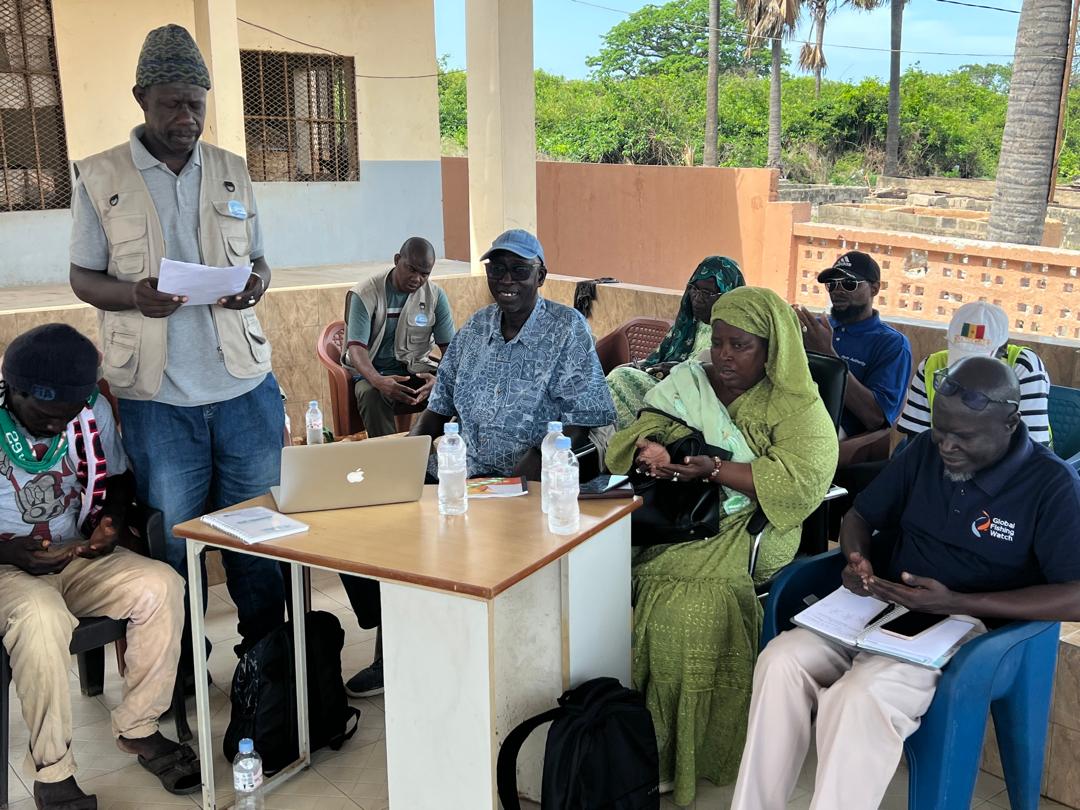
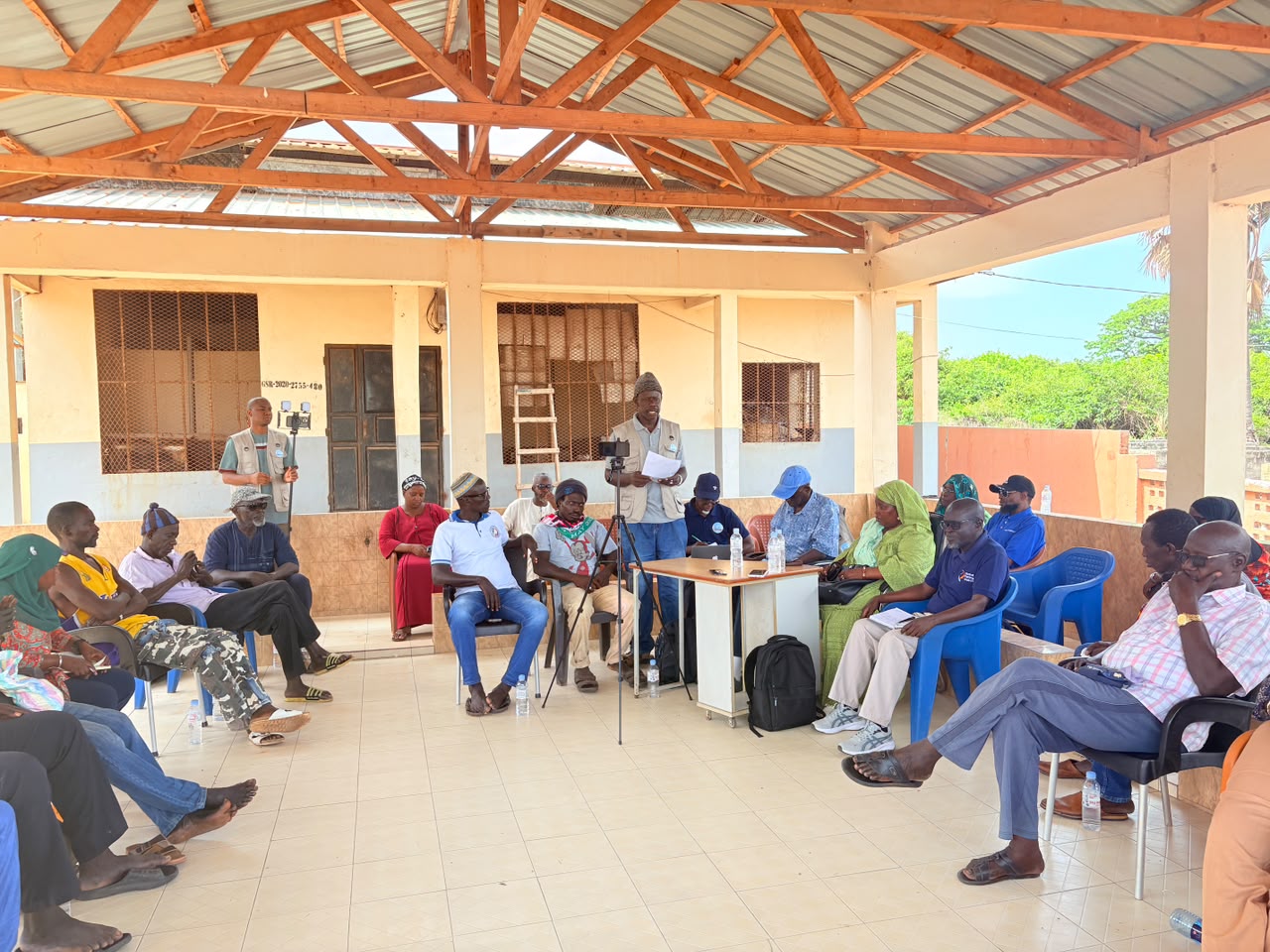
Amid the ongoing border crisis between The Gambia and Senegal, fisheries stakeholders from both neighboring countries gathered at the Brufut Fish Landing Site in Kombo North District to pledge coordinated efforts to manage their shared marine resources. The meeting, held recently, focused on protecting dwindling fish stocks and easing mounting pressures on the small-scale fishing sector that sustains thousands of livelihoods on both sides of the border.
Participants underscored the urgent need to shield artisanal fisheries, tackle sector-wide challenges, and deepen cooperation between Gambian and Senegalese operators. Marine biologist and fisheries expert Dawda Saine stressed that the countries’ proximity and shared coastline mean fish stocks move freely across national boundaries, demanding collective action.
“Irresponsible fishing in one country will ultimately affect the fish stocks of both The Gambia and Senegal,” Saine warned. “Activities in one nation can have direct consequences for fisheries resources in the other.” He explained that many species harvested by fishermen in both countries are shared stocks, making joint management essential for sustainability.
Saine called for greater participation by fishing communities in decisions affecting the sector. He advocated harmonized policies, improved data sharing, and coordinated management measures to confront common problems. Despite existing fisheries laws, regulations, conventions, and strategies, the sector continues to struggle, he noted. Progress now depends on changing human behavior.
The expert expressed particular concern over rising overfishing and declining marine resources, a trend observed globally. He highlighted the critical importance of safeguarding small pelagic species, locally known as “Yaboy,” which provide essential food security and nutrition for households in both nations.
Discussions also covered illegal, unreported, and unregulated (IUU) fishing, intensifying competition for scarce resources, and the heavy burden placed on the small-scale sector. Senegalese delegates and other participants welcomed the gathering, expressing strong resolve to build closer working relationships and sustained cooperation.
They appealed for stronger government support through continuous surveillance and monitoring to protect fish resources. Speakers noted that the small-scale fisheries sector bears the brunt of the challenges currently confronting the industry.
The Brufut convergence signals a practical step toward regional solidarity in marine conservation at a time when political tensions risk overshadowing shared economic interests. Stakeholders left the meeting committed to translating dialogue into coordinated action that can help reverse stock declines and secure the future of coastal communities dependent on the sea.