As communities across The Gambia confront the intensifying impacts of climate change, ActionAid International The Gambia is placing children at the heart of conservation through its One Child, One Tree initiative under Local Rights Program 8 (LRP8). The campaign aims to raise a generation of young environmental stewards while building climate resilience.
The program encourages every child to plant and nurture at least one Tree before completing basic education. Combining environmental education with hands-on conservation, it equips young people with the knowledge and skills to address shifting weather patterns, prolonged dry spells, deforestation and land degradation that threaten rural livelihoods dependent on agriculture.
By focusing on trees that reach maturity, the initiative strengthens local ecosystems, boosts biodiversity, fights desertification and contributes to climate mitigation.
Alagie Camara, Sponsorship Manager at ActionAid, explained that the effort forms part of a broader strategy to create climate-resilient communities by investing in the young.
“The One Child, One Tree initiative is part of ActionAid’s strategy to build climate-resilient communities by empowering children to become environmental stewards from a young age. By planting and nurturing trees, children and communities can help mitigate the effects of climate change and build a more sustainable future,” Camara said. He noted that unpredictable rainfall and extended dry periods already affect daily life, underscoring the need for grassroots adaptation and long-term responsibility.
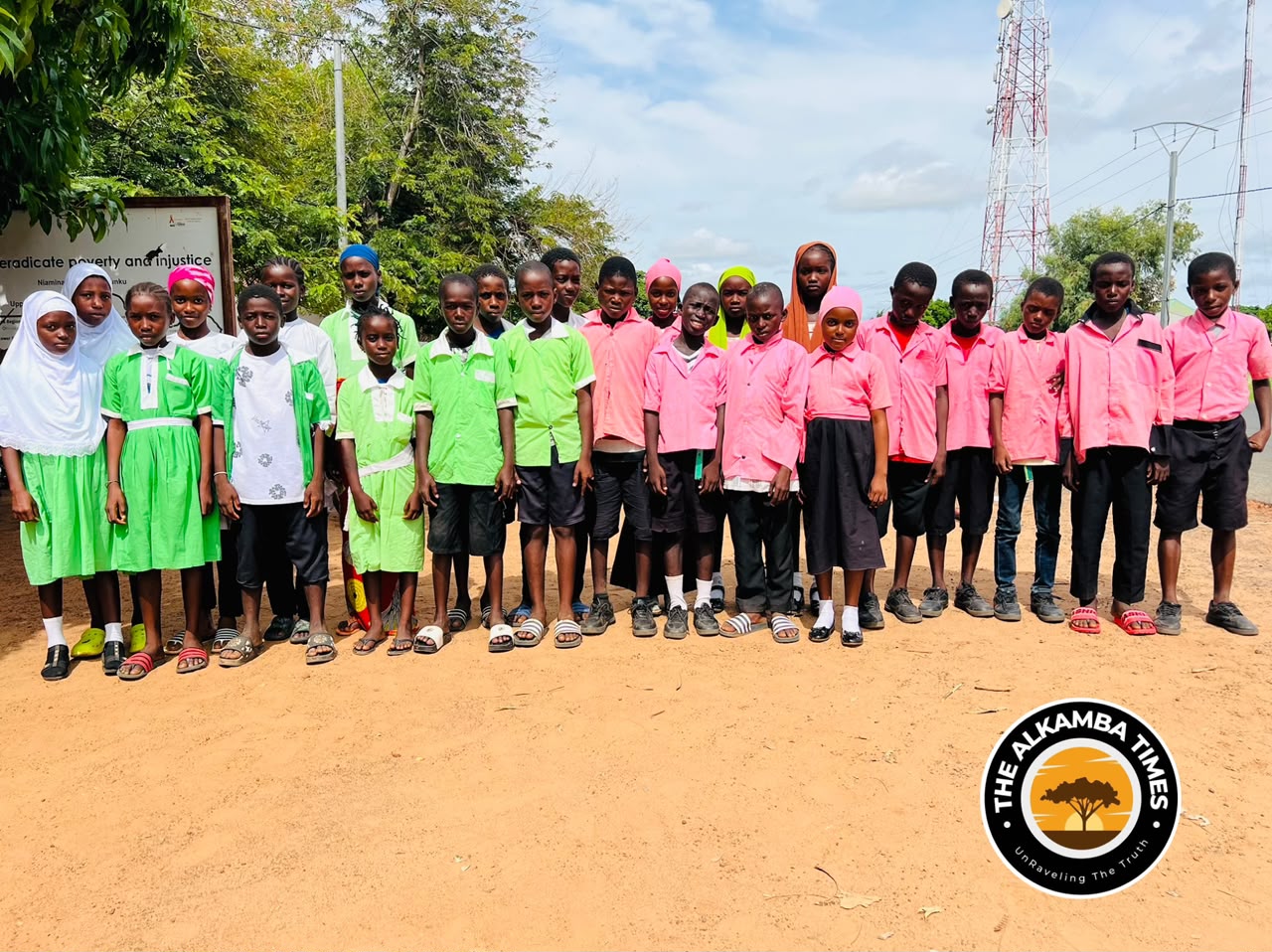
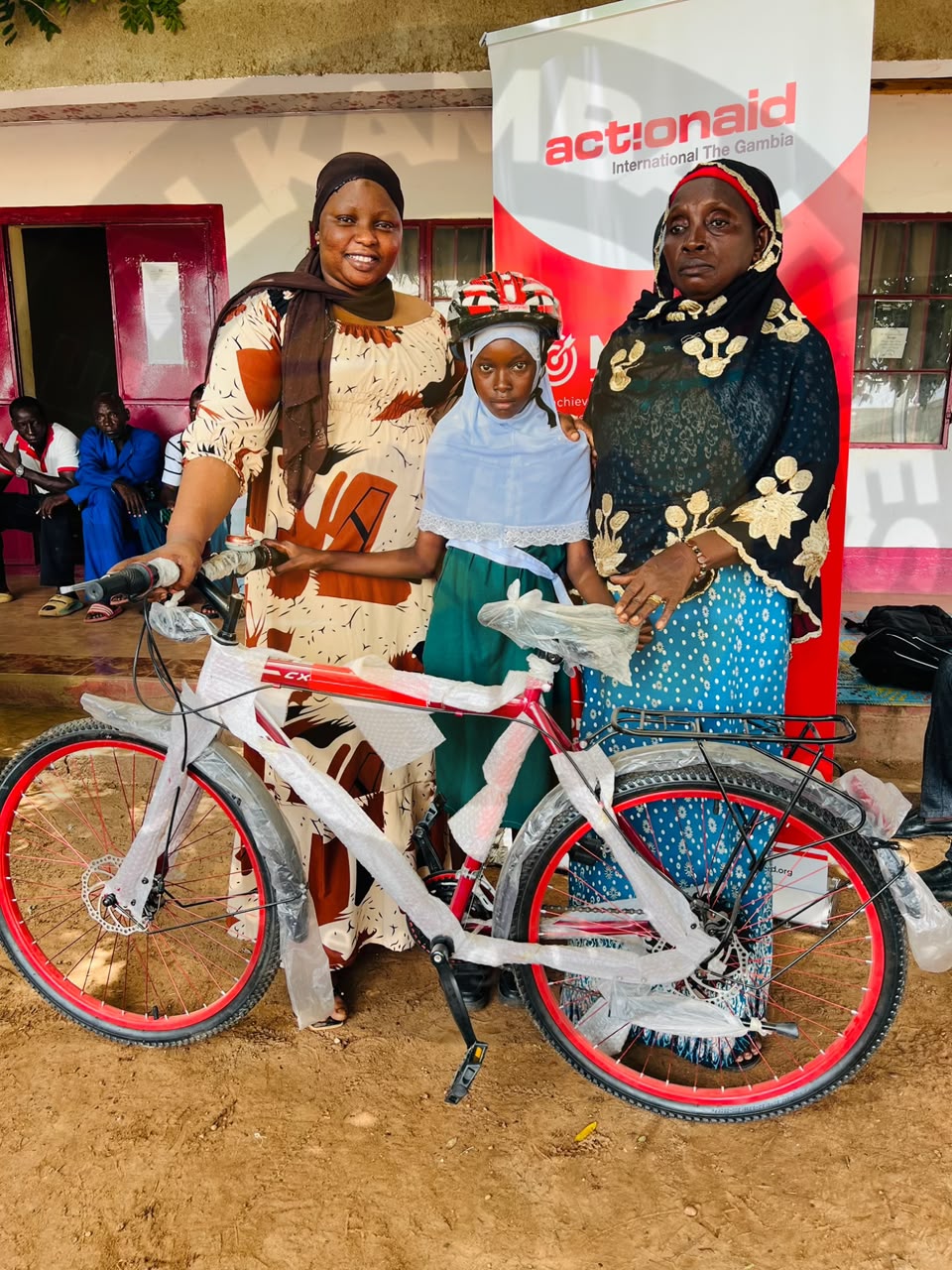
To sustain engagement, ActionAid held a bicycle handover ceremony recognizing the strongest performers from Kununku Lower Basic School, Kerewan Demba Lower Basic School, Jareng Lower Basic School and Kudang Mayo Lower Basic School. These schools achieved the highest tree survival rates. Awards went to pupils who successfully cared for their trees, as well as caretakers and teacher coordinators whose supervision proved essential.
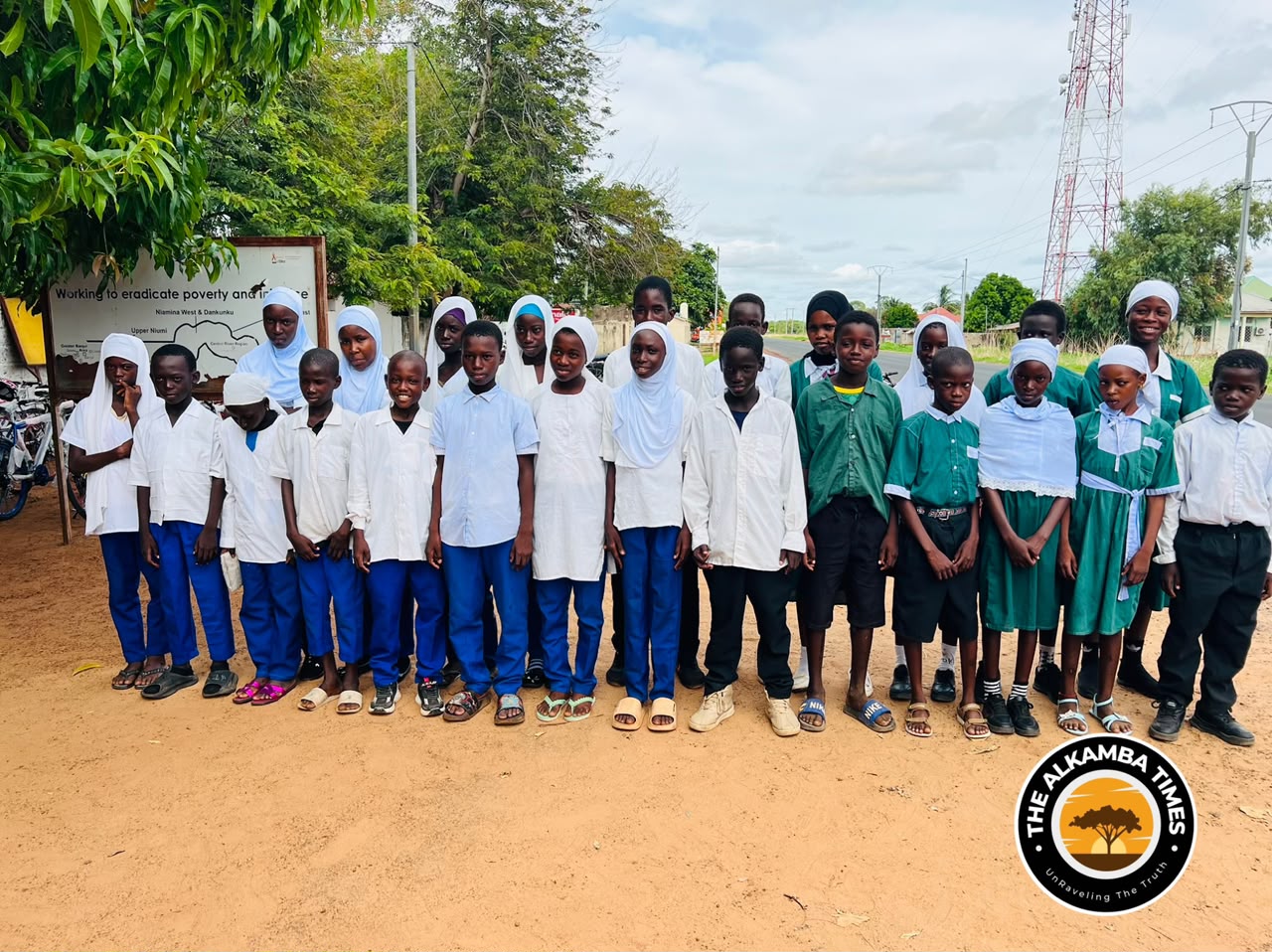
Officials stressed that the program rewards survival rather than mere planting numbers, reinforcing that lasting conservation depends on ongoing care.
Senior Education Officer Ebrima Fatty praised the dual benefits: “It not only promotes environmental conservation but also supports education by providing bicycles to students who travel long distances to school. Involving children in tree planting helps instill a lifelong sense of responsibility for protecting the environment.” The bicycles improve punctuality and attendance while motivating further participation.
The Deputy Governor of the Central River Region, Sainey Mbaye, also lauded the project, urging children to become ambassadors who discourage indiscriminate Tree cutting within their families. He highlighted that human activity, not nature alone, has driven much environmental damage and that collective action is essential.
Organizers see the initiative as proof that climate action must involve every level of society. By putting children at the forefront, One Child, One Tree cultivates environmentally conscious citizens ready to lead local responses. As changing weather continues to reshape The Gambia’s landscapes, every surviving Tree marks progress toward greener communities and a more sustainable future.