By: Kebba Ansu Manneh
Scores of Gambian “back-way” returnees have painted a harrowing picture of inhumane treatment, extortion, forced labor, and abuse at the hands of human traffickers and corrupt border agents, as they urged youths to abandon dangerous irregular journeys to Europe.
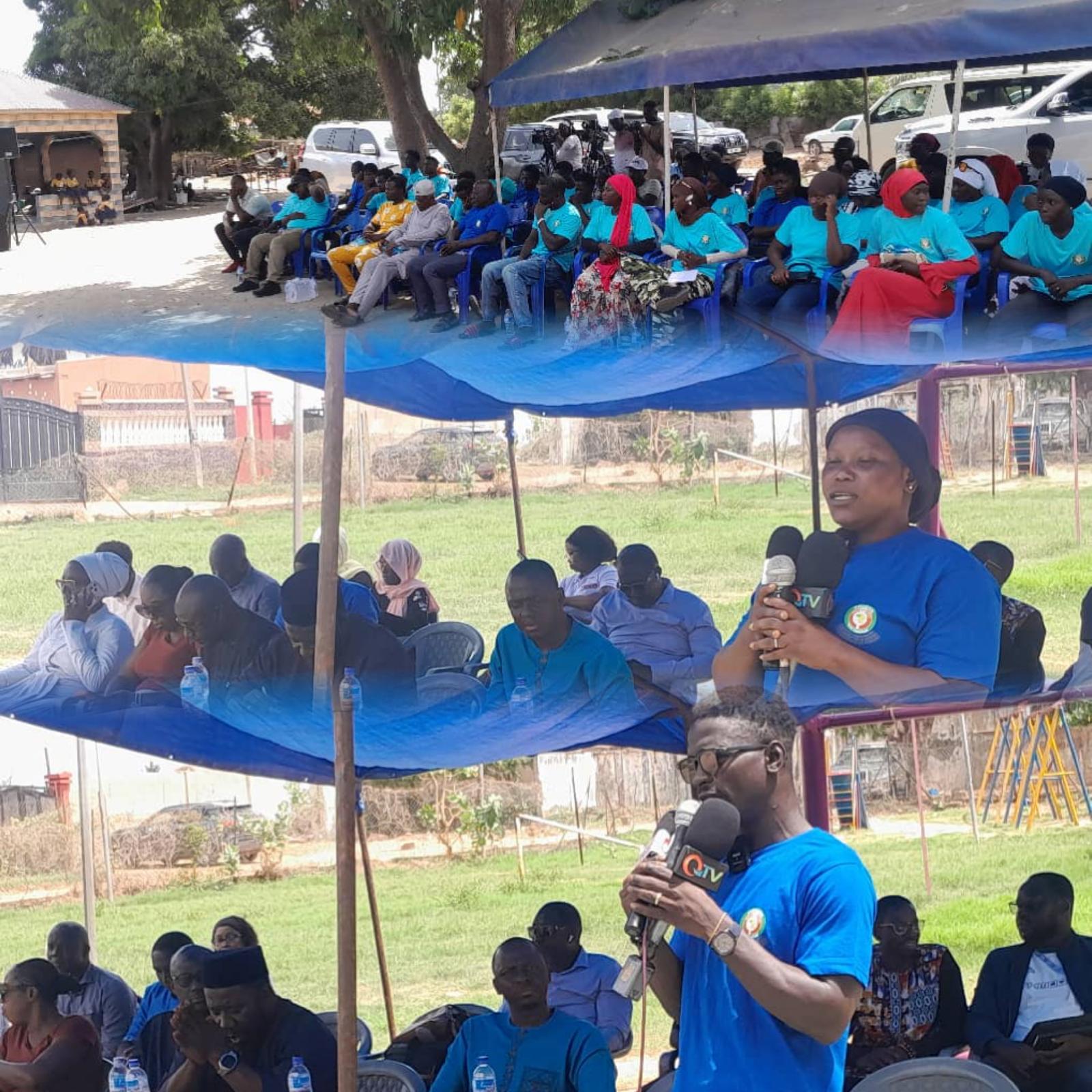
The testimonies were given during the ECOWAS Parliamentary Citizens Engagement on the Dangers of Irregular Migration and Modern Slavery in West Africa, held in Bakau on July 7 and in Brikama on July 8, 2026. ECOWAS parliamentarians convened town hall meetings with returnees, youth and women groups, civil society organizations, the International Organization for Migration (IOM), NAATIF, and National Youth Council officials to confront the twin menaces of irregular migration and human trafficking.
Participants identified widespread youth unemployment, economic hardship, family and peer pressure, and unfulfilled promises of high-paying jobs abroad as the primary drivers pushing young Gambians onto the perilous back-way route. Many said the lack of strong government support and viable local opportunities left them vulnerable to traffickers.
Tombong Kuyateh, who reached Libya before returning, described how peer influence and desperate family poverty pushed him to embark on the journey. His ordeal began in Mali, Burkina Faso, and Niger, where security officials at checkpoints demanded D200 to D300 from every traveler, regardless of ECOWAS nationality.
“Failure to pay resulted in detention, inhumane treatment and all forms of abuses meant to extort money,” Kuyateh said. He singled out Burkina Faso, where agents reportedly stripped migrants naked to force payments, and Niger, a harsh desert nation where locals begged from migrants. Kuyateh spent four months in Agadez, waiting for connections to Libya, where forced unpaid labor became routine, and complaints could lead to death.
“Collaboration between North African countries and Europe has made the journey even more deadly, often ending in mass drownings in the Mediterranean,” he warned, urging youths to abandon the back-way dream.
Halima Sarjo, who works with the Migrant Safe Home Association, said she spent over D60,000 on a trip that never delivered the promised high-paying job, falling victim to peer pressure. She accused agents of now targeting young footballers seeking opportunities abroad and blamed both parents and governments for failing to safeguard youth welfare.
Alagie Kanteh, another returnee, called the route a “death trap.” He and nine other Gambians were kidnapped in Niger, stripped naked for days, and beaten severely. Since returning via IOM assistance, Kanteh has suffered from high blood pressure caused by the trauma. He advised youths to acquire skills at home and called on the government to provide seed capital for businesses.
Hon. Alhagie S. Darboe, Minority Leader and ECOWAS Parliament member, said the town halls aimed to hear directly from youths and relay their concerns to the regional body for actionable solutions.
“Parents must understand the dangers before investing hard-earned money in such journeys,” Darboe emphasized. Other ECOWAS parliamentarians, including Hon. Maimuna Ceesay, Hon. Sheriff Sarr, and Hon. Amadou Camara, echoed calls for vigilance against deceptive agents and greater investment in youth empowerment.
The engagements underscored a growing regional consensus that addressing root causes—jobs, skills training, and economic opportunities—remains critical to curbing irregular migration and modern slavery across West Africa.