By Sainabou Sambou
As The Gambia edges closer to its 2026 presidential election, ordinary citizens are voicing sharply divided opinions on two major political developments that have reshaped the opposition landscape and strengthened the ruling party’s position.
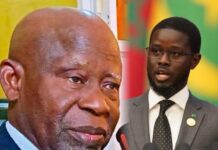
Ousainou Darboe’s withdrawal from ongoing opposition coalition talks and Mama Kandeh’s decision to join President Adama Barrow’s National People’s Party (NPP) have sparked debate in markets, compounds and social media circles across the country. While some Gambians insist that opposition parties must set aside personal ambitions and unite behind a single candidate, others welcome the new Barrow-Kandeh partnership and argue that fragmented opposition ranks will only hand the incumbent an easier path to re-election.
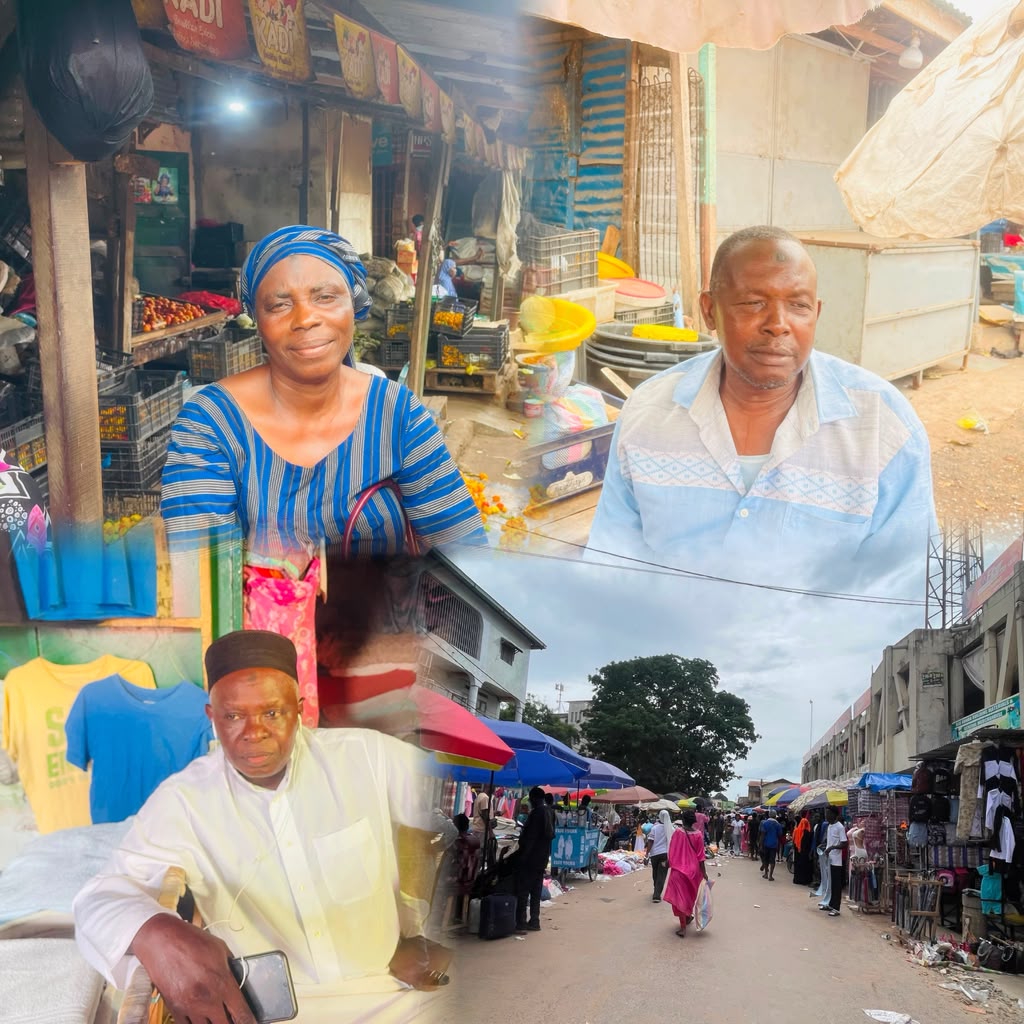
The discussions reflect deeper frustrations over economic hardship, unemployment, insecurity and what many describe as self-serving politics. Citizens interviewed by TAT repeatedly returned to the same themes: the need for genuine national interest over personal ambition, the burden of taxes on ordinary people, and the question of who is best placed to lead the country after nearly a decade of Barrow’s rule.
Nading Bojang, a market trader who spoke at length about the country’s difficulties, argued that the United Democratic Party (UDP) and smaller parties should still find a way to come together, with Darboe as the flag bearer. “Ousainou Darboe has been seeking the presidency for about 30 years, and I believe the younger ones should follow him. Ousainou is an elder, and I believe he is the right candidate for this election,” Bojang said. She attributed Darboe’s exit from the coalition discussions to resistance from other parties that refused to accept him as the joint candidate.
“These small parties cannot just come today and want to be leaders. They have to rally behind Ousainou to form a coalition and select him as the flag bearer.”
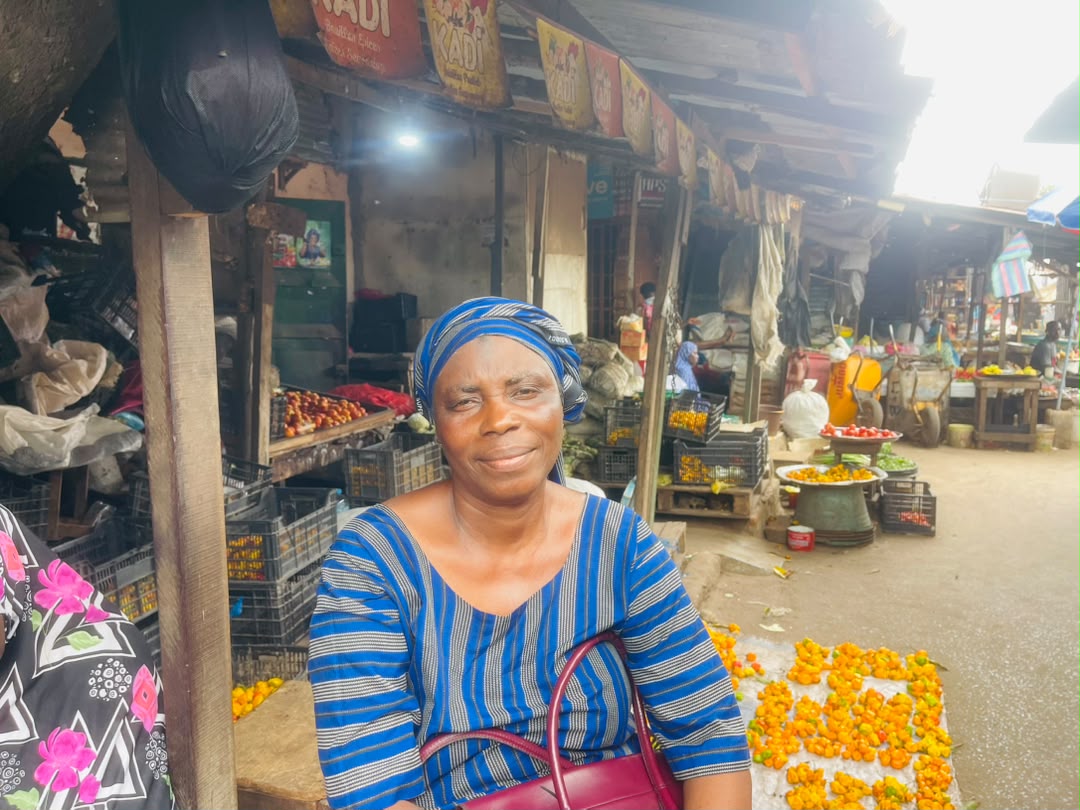
Bojang painted a bleak picture of daily life for ordinary Gambians. She said taxpayers fund the salaries of the president, ministers and parliamentarians while struggling to survive. “It is taxpayers’ money, and with all the hardship in this country, women are the ones facing it the most.” Families who spent years paying school fees now watch their university graduates remain unemployed and end up selling goods in the market. Others who scraped together money to send children to Europe have seen those children deported or return with mental health problems.
Insecurity has added another layer of fear. “People are killing each other. When we are going to the market at 4 or 5 a.m., we are scared because the country is not safe.” Bojang noted that government officials move with security escorts while ordinary citizens rely only on God for protection.
Her criticism of the current administration was pointed. She recalled the sacrifices made during the struggle that brought Barrow to power, including beatings and arrests, only to see early supporters sidelined while latecomers benefit. “If Barrow were a tree, his roots, body and branches would be UDP. Barrow is who he is today because of UDP, and without UDP, Barrow is nothing.” She accused the president of publicly insulting Darboe and allowing close associates, including Mama Jabbie, to do the same, despite once calling Darboe his father. Bojang urged all opposition parties and movements to rally behind the UDP leader and, if he wins, limit him to a single five-year term so that younger generations can eventually take over. “Let them put The Gambia first so that our children and grandchildren will not suffer.”
Boto Fatty took a broader view of the coalition impasse. He insisted that every political party should put personal interests aside and agree on one candidate for the sake of the Gambian people. “Regarding Darboe’s withdrawal from the coalition talks, I believe all political parties should put aside their differences and form a coalition to choose one person to lead the coalition in the interest of the Gambian people, not for their own personal interests.” A united front, he argued, would make it far easier to challenge and potentially unseat the incumbent. Disunity, by contrast, would only consolidate Barrow’s power. At the same time, Fatty maintained that the absence of a formal coalition does not automatically doom the major opposition parties. “That doesn’t mean the big political parties can’t win the election. If all the political parties are united, they will win.”
Fatty expressed particular confidence in the United Movement for Change (UMC) and its leader, Talib Ahmed Bensouda. He described Bensouda as educated, experienced and tested by two terms as mayor. “Talib is educated and experienced. He has been a mayor for more than five years and has served two terms. He is qualified to be a presidential candidate.” In Fatty’s assessment, a coalition centered on Bensouda would offer the best chance of defeating Barrow and would also satisfy the widespread desire for younger leadership.
Musa Sanyang offered a more cynical reading of the entire process. He dismissed both the coalition talks and Darboe’s withdrawal as exercises in self-interest. “The coalition talks that are going on, and even Darboe’s withdrawal from the coalition, are for their own selfish interests. They are not here for Gambians; instead, they are here for their own personal interests.” Genuine reformers, he said, would already have settled on a single candidate capable of defeating the incumbent. Sanyang accused educated politicians of treating ordinary citizens as naïve and easily deceived. “These people that are educated or went through English school and entered into politics are here for themselves, not for Gambians. They see us, the ordinary citizens, as mad people, people that are not aware. They are just fooling us.” He described Gambian politics as dominated by lies and questioned the sudden proliferation of parties that remained silent during the Jammeh years. “Gambian politics has no use. It is all about lies.” Sanyang stressed that he is not a politician himself but speaks from the lived experience of hardship shared by most Gambians.
On the other side of the political divide, Dembo Darboe welcomed Mama Kandeh’s decision to join the NPP. “Mama Kandeh’s joining Barrow is very good, and I am happy about it.” He urged Gambians not to allow politics to tear the social fabric apart. “I would like to say to the Gambian people that let politics not divide us. It is a worldly thing. We have to respect each other and know what to post on social media.”
Darboe framed the Barrow-Kandeh alliance as a matter of national interest and called on NPP and GDC supporters to work together for development.
He also suggested that Ousainou Darboe, whose support once elevated Barrow, should consider joining forces with the president for the good of the country.
Muhammed Camara similarly viewed Kandeh’s move positively, suggesting that the GDC leader may have found political peace within the NPP.
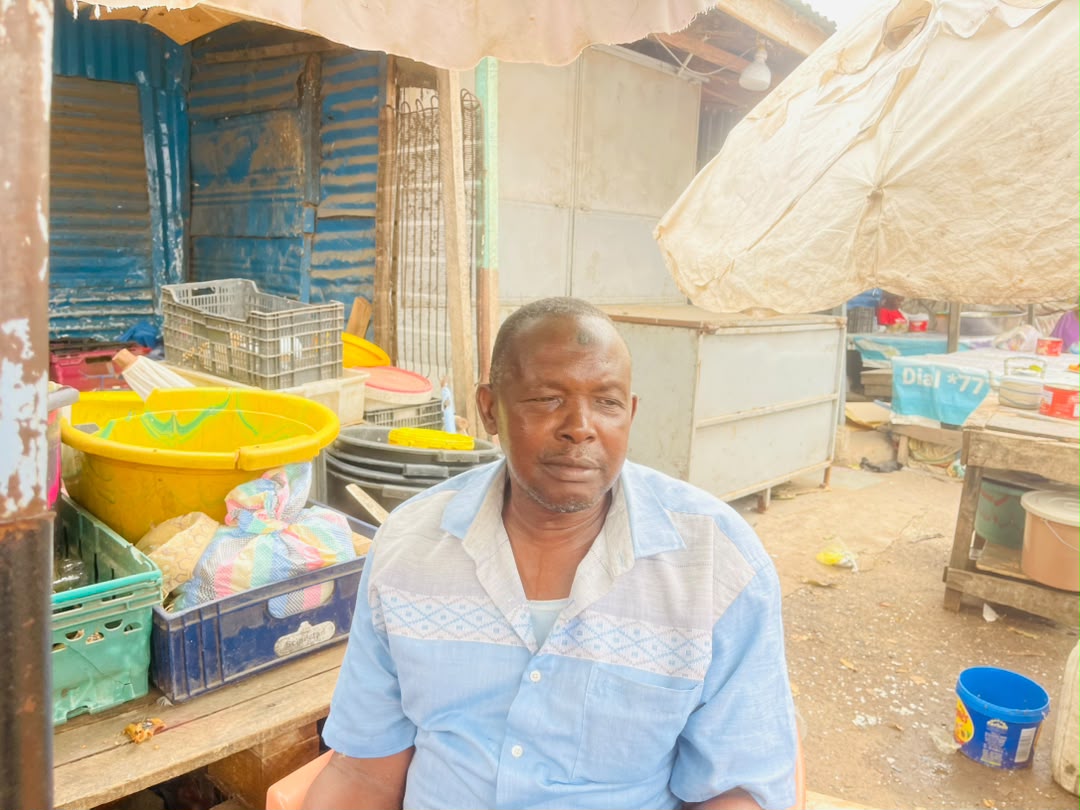
Camara believes the partnership improves Barrow’s prospects of re-election. “I believe that Barrow might be re-elected, and Barrow and Kandeh understand each other.”
Alagie Kebba Jammeh expressed no objection to Kandeh joining the NPP but insisted that the central issue remains how to remove President Barrow from office. He regarded Darboe’s withdrawal from coalition talks as understandable. “Darboe’s withdrawal from the coalition talks is not bad.” In his view, political parties have largely abandoned the national interest. “The political parties in The Gambia are not here for Gambians. If they were here for Gambians, they would have formed a coalition and chosen one candidate to represent them.” Experience and longevity, he argued, make Darboe a logical choice. “They can even choose Darboe because he is an elder and also has experience and has been involved in politics for about 30 years.” Serious parties, Jammeh said, could settle the matter within three days rather than allowing talks to drag on.
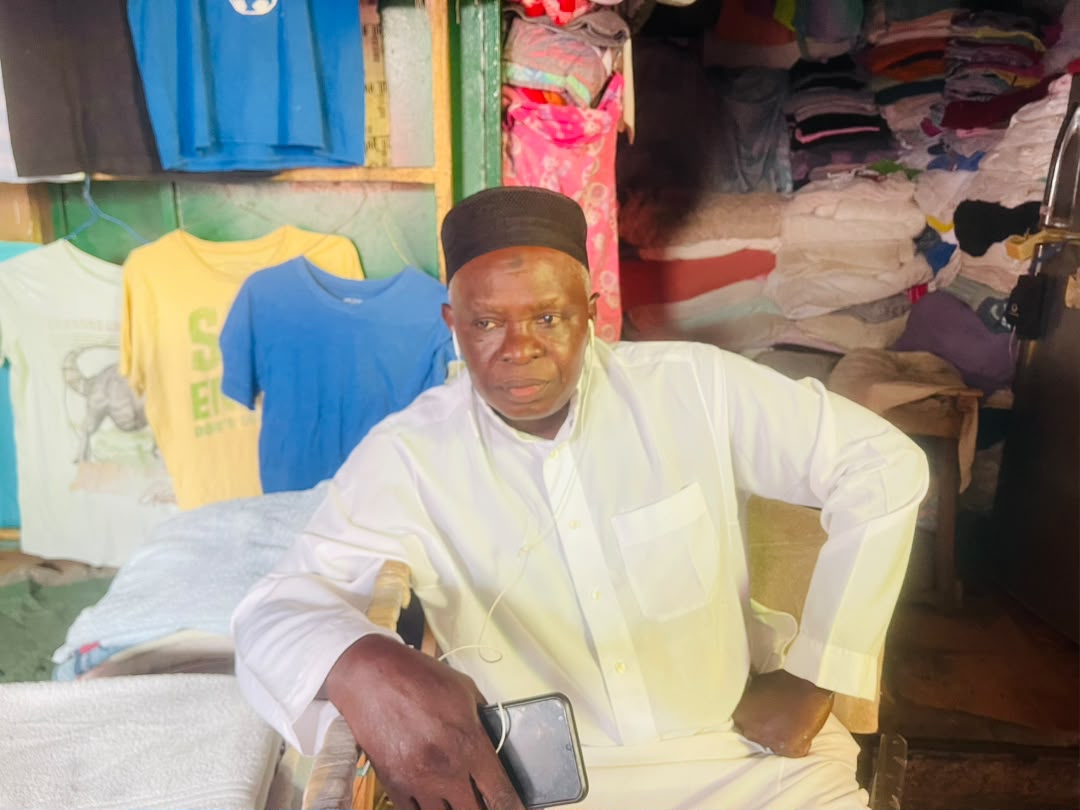
Jammeh reserved some of his strongest criticism for the incumbent. He claimed that Barrow has proven worse than former President Yahya Jammeh, citing the unresolved border tensions with Senegal that have allegedly left Gambian farmers unable to access their fields because of Senegalese soldiers. “Just look at the border issue between The Gambia and Senegal. Barrow didn’t talk about the issue. Instead, he is busy attacking Darboe.” He also pointed to the financial consequences of a former auditor’s ruling that taxpayers will ultimately bear. “The money should come from the president’s pocket, not the poor people.”
These varied voices illustrate the complex and often contradictory currents running through Gambian public opinion less than a year before the next presidential poll. Some citizens remain convinced that only a broad opposition coalition behind an experienced figure such as Darboe can challenge the incumbent effectively. Others place their hopes in younger contenders like Talib Ahmed Bensouda or accept that the Barrow-Kandeh alliance may prove decisive at the ballot box.
Running through almost every conversation is a shared sense of economic strain, insecurity and disillusionment with politicians perceived as prioritizing personal power over national development. Whether the opposition can overcome its divisions, and whether the ruling party’s expanded alliance will translate into electoral success, will become clearer as campaigning intensifies in the months ahead. For now, ordinary Gambians continue to weigh the options with a mixture of hope, skepticism, and hard-earned caution.