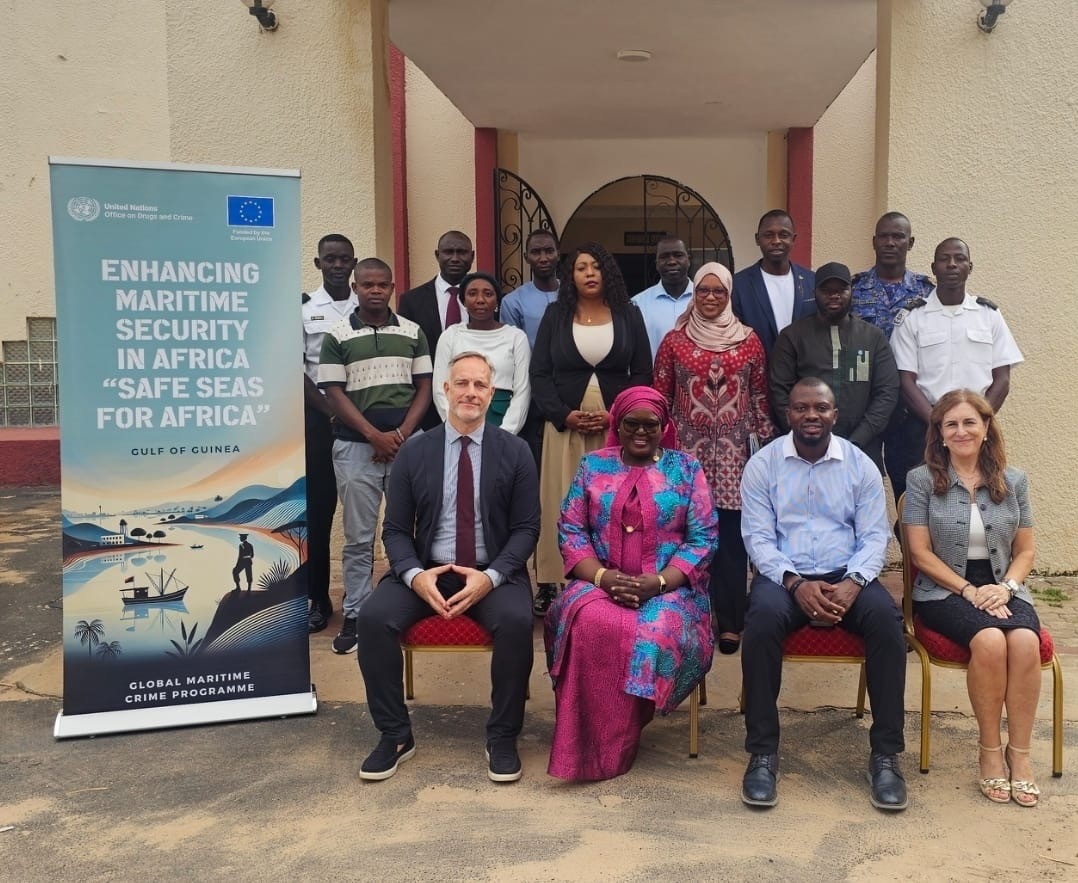
The European Union Delegation to The Gambia, the United Nations Office on Drugs and Crime (UNODC) and Gambian authorities this week convened a two-day national validation workshop to strengthen the country’s ability to prosecute maritime crimes.
Held at the OceanBay Hotel in Banjul, the event focused on the Maritime Crime Legal Assessment Report. It forms part of the €20 million EU-funded Safe Seas for Africa programme, which supports West and Central African states in tackling drug and arms smuggling, piracy and related threats.
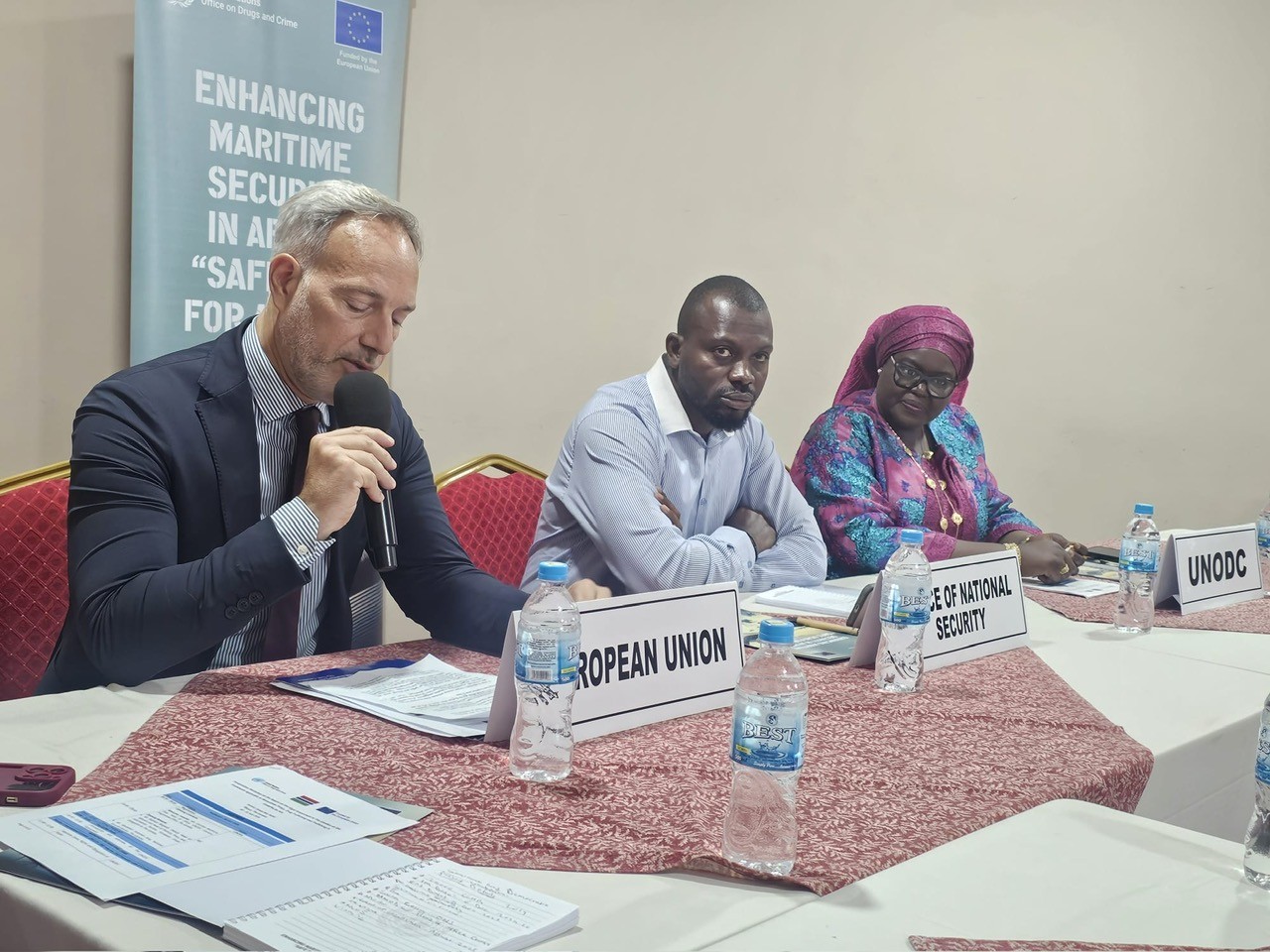
The workshop builds on The Gambia’s 2025 criminal law amendments. Participants reviewed remaining gaps in prosecuting offenses at sea and identified technical assistance needs for national agencies. Officials say the effort will help protect territorial waters, support the blue economy and shield the country from transnational criminal networks.
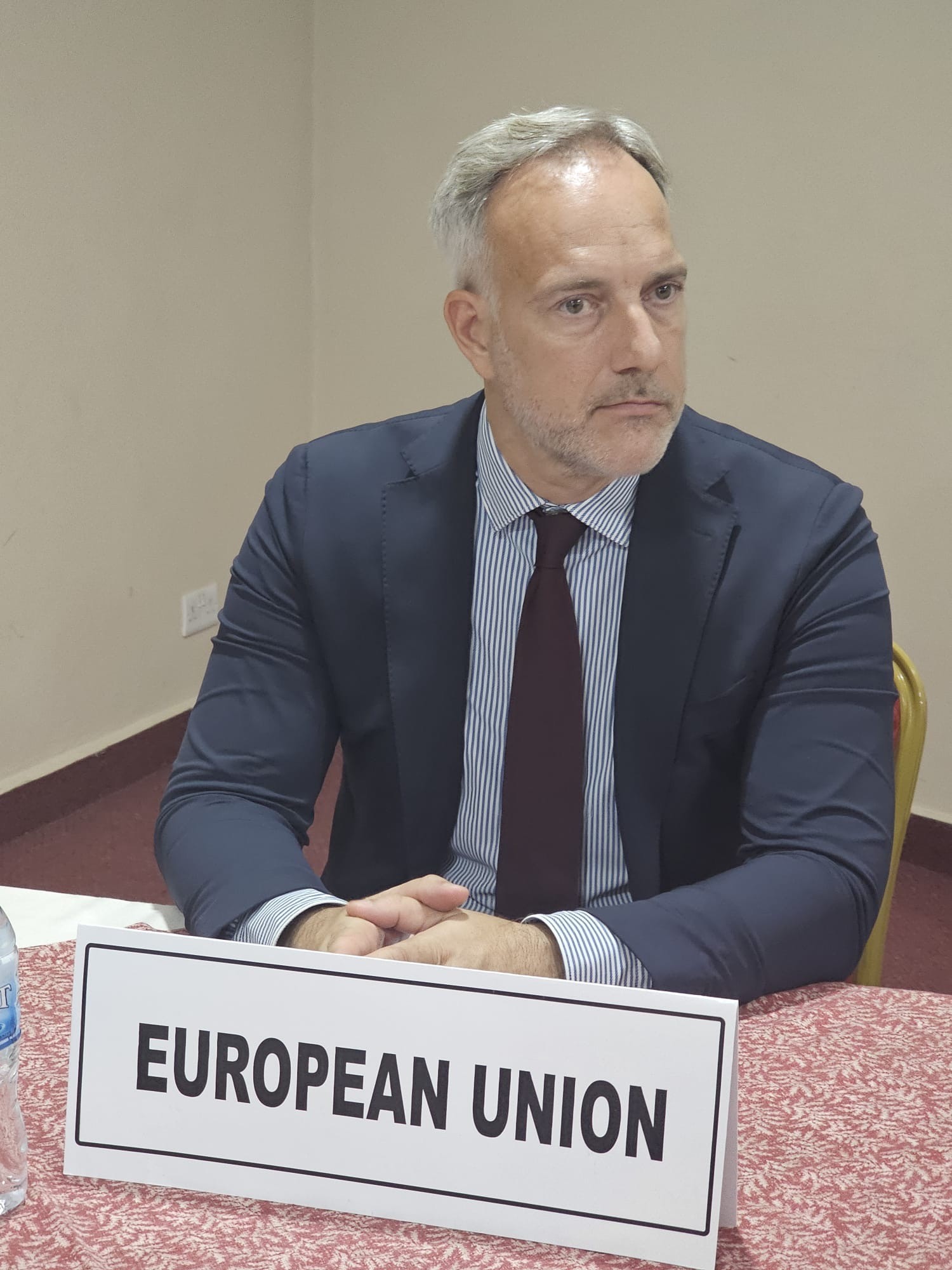
Deputy Head of Mission of the EU Delegation Raphaël Brigandi underscored the shared stakes. “The Gambia’s coastline makes it a tempting route for criminal activity, especially for drugs going to and from Europe and for illegal migration towards the Canary Islands,” he said. “A secure maritime route off the coast of West Africa is our shared goal. Investing in The Gambia’s maritime defenses is investing in our mutual economic growth and stability. You can have the fastest boats and the best-trained crews, but the criminal justice chain needs to hold in court; otherwise, the efforts at sea to arrest criminals are lost down the line.”
UNODC Head of Programme Office in The Gambia Coumba Diop described the meeting as a key milestone. “Our goal is not only to present the legal assessment report, but to strategically map and optimize the assistance required to strengthen The Gambia’s fight against maritime crime,” she said.
Deputy National Security Adviser Saikou Ceesay reaffirmed government commitment. “The maritime economy is vital to the sustainable economic development of The Gambia,” he stated. “We commend UNODC and express our gratitude to the European Union for its support—both through the previous SWAIMS framework and the current Safe Seas for Africa project. Be assured of our full commitment to implementing the outcomes of this assessment.”
Beyond legal reforms, the partnership has delivered practical support, including joint regional sea patrols, specialised training and two Rigid Hull Inflatable Boats for the Gambian Navy. Officials say these measures aim to ensure that arrests at sea lead to successful prosecutions ashore.