There is a contradiction in many modern-day African households that we need to talk about. Many African men want their daughters to be educated, smart, intelligent, ambitious, financially independent, and able to stand on their own two feet. They invest heavily in their daughters’ education, pay school fees, encourage them to attend universities, support their careers, and proudly celebrate their accomplishments. They tell their daughters, “Get your education. Have your own career. Make your own money. Never completely depend on a man.”
And I believe this is beautiful progress. Educating and empowering the African girl child is something we should keep encouraging. Education can increase women’s opportunities, agency, and ability to participate fully in economic and social life (UNESCO, 2026). However, we must also confront an uncomfortable contradiction: some of the same men who are determined to raise independent daughters do not want independent wives.
They want their daughters to have careers, but they want their wives to stay financially dependent on them. They want their daughters to have choices, but they limit their wives’ choices. They encourage their daughters to continue their education, yet sometimes refuse to allow their wives to return to school. They tell their daughters never to tolerate disrespect or abuse from a man, while some continue emotionally, financially, psychologically, or physically abusing the women they married.
So I have to ask: Why is independence something to celebrate in your daughter but something to fear in your wife?
Modou and Fatou have been married for many years. They have a daughter whom Modou loves deeply. From the time his daughter is young, Modou makes education a priority. He wants her to attend the best schools he can afford. He buys her books, supports her dreams, and constantly reminds her that nobody can take education away from her.
As she grows older, Modou tells her, “Never depend completely on a man. Make sure you have your own education, career, and money.”
When his daughter talks about going to university, Modou encourages her proudly. When she talks about becoming a doctor, lawyer, professor, businesswoman, or another professional, he tells her she can become anything she wants. He wants his daughter to be strong enough to walk away from any situation that harms her.
He also warns her about abusive and controlling men.
“If a man ever puts his hands on you, come home.”
“Don’t let any man control you.”
“Don’t stay somewhere you are being mistreated just because you depend on a man financially.”
These are powerful lessons.
But then there is Fatou.
Fatou is also intelligent. She has dreams and ambitions. She wants to further her education. Perhaps she wants to complete a university degree, pursue a master’s degree, start a business, or build a professional career. She wants her own financial security—not because she is trying to compete with her husband, but because she wants to grow as a human being.
But Modou will not allow it.
He tells Fatou, “Why do you need to go back to school? I provide for you.”
When she talks about becoming financially independent, he becomes uncomfortable. He wants control over the household finances. He believes that because he is the husband and provider, Fatou should depend on him.
Over time, Modou becomes increasingly controlling. He makes important decisions without Fatou. He belittles her opinions. He may control her access to money. When she challenges him, he becomes verbally or emotionally abusive. Yet he continues teaching his daughter never to accept those exact behaviors from a man.
This is where we need to stop and think.
Why doesn’t Modou want his daughter to marry a man like him?
If his daughter’s husband refused to allow her to continue her education, would Modou accept it?
If his daughter called him crying and said, “Daddy, my husband controls all the money and doesn’t want me to become financially independent,” would Modou tell her to remain silent?
If she said, “Daddy, he insults me whenever I disagree with him,” would Modou tell her that this is simply what wives must tolerate?
What if one day his daughter looked directly at him and said, “Daddy, my husband treats me exactly the way you treated Mommy”?
Would Modou finally see the contradiction?
The truth is that Fatou was somebody’s daughter before she became Modou’s wife.
She did not stop being an intelligent human being when she got married. She did not lose her dreams because she became someone’s wife or mother. Marriage should not erase a woman’s identity, potential, or right to grow.
This is why we must examine the difference between a woman choosing to depend financially on her husband and a husband deliberately preventing his wife from becoming financially independent. Those are not the same thing. A woman may freely choose to stay home while her husband provides for the family, and there is nothing inherently wrong with that arrangement when it is genuinely her choice. But deliberately restricting someone’s access to education, employment, or financial resources can become a form of economic abuse and control (UN Women, n.d.).
Think about that contradiction.
We spend years raising African girls to become strong women, and then sometimes expect them to become smaller after marriage.
We tell the girl child, “Find your voice.”
Then we tell the married woman, “Be quiet.”
We tell the girl, “Get your education.”
Then we tell the wife, “You don’t need another degree.”
We tell the daughter, “Make your own money.”
Then we tell the wife, “Why do you need your own money when I provide for you?”
We tell our daughters, “Never let a man control you.”
Then some daughters grow up watching their fathers control their mothers.
What exactly are we teaching them?
Protecting our daughters from abuse must begin with how we treat their mothers. A father cannot spend eighteen years telling his daughter that no man should disrespect her while she spends those same eighteen years watching him disrespect her mother. Violence against women remains a significant human-rights and public-health concern, and prevention requires challenging social norms and behaviors that allow violence and inequality to continue (World Health Organization [WHO], 2026).
Children are watching much more than we sometimes realize. A daughter is not only listening when her father tells her what kind of man she should marry. She is also watching the kind of husband he is.
So perhaps fathers should ask themselves: Am I demonstrating the kind of marriage I hope my daughter will someday have?
Would you want your daughter to marry a man who controls her?
Would you want her husband to prevent her from furthering her education?
Would you want her to ask permission to access money for basic needs?
Would you want someone to constantly belittle her intelligence?
Would you tell her to remain in an abusive marriage because her husband pays the bills?
If your answer is no, then why should another man’s daughter experience those things simply because she became your wife?
This conversation should not be about attacking African men. It should be about reflection, healing, accountability, and breaking unhealthy generational patterns. Harmful behaviors can be learned through families, communities, and social expectations, but being raised around certain behaviors does not mean we must continue them.
Healing requires accountability.
A man like Modou must eventually be willing to look at himself and ask difficult questions. He cannot simply say, “This is how I was raised.” He cannot hide behind culture, tradition, masculinity, or his role as the financial provider.
He must ask himself, “Have I become the kind of husband I would warn my daughter about?”
That question requires courage.
And Fatou deserves healing too. Years of being controlled, silenced, financially dependent, or prevented from pursuing personal goals can affect a woman’s confidence and sense of self. Healing may mean rebuilding her confidence, continuing her education, developing financial skills, seeking appropriate professional or community support, establishing healthy boundaries, and rediscovering dreams she may have abandoned.
We must also remember that independence does not mean rejecting marriage or rejecting men. Financial independence does not automatically mean disrespecting a husband. Education does not make a woman difficult to love. Intelligence does not make a woman rebellious. A healthy marriage should not require one adult to become powerless so that the other can feel powerful.
If we genuinely believe in empowering African girls, then that empowerment cannot expire when they become wives.
Continue educating your daughters.
Continue investing in them.
Continue telling them to dream big.
Continue teaching them never to tolerate abuse.
Continue helping them become financially independent.
But remember that the woman sitting beside you is also somebody’s daughter. She deserves dignity too. She deserves safety too. She deserves opportunities too. She deserves the ability to grow too. She deserves healing too. And perhaps one of the most important questions modern African fathers and husbands can ask themselves is this:
If I would never want my daughter to marry a man who treats her the way I treat my wife, what does that say about the man I have become?
That is where accountability begins. And accountability can be the beginning of healing, not only for Fatou, but for Modou, their daughter, their family, and the generations that come after them.
By:
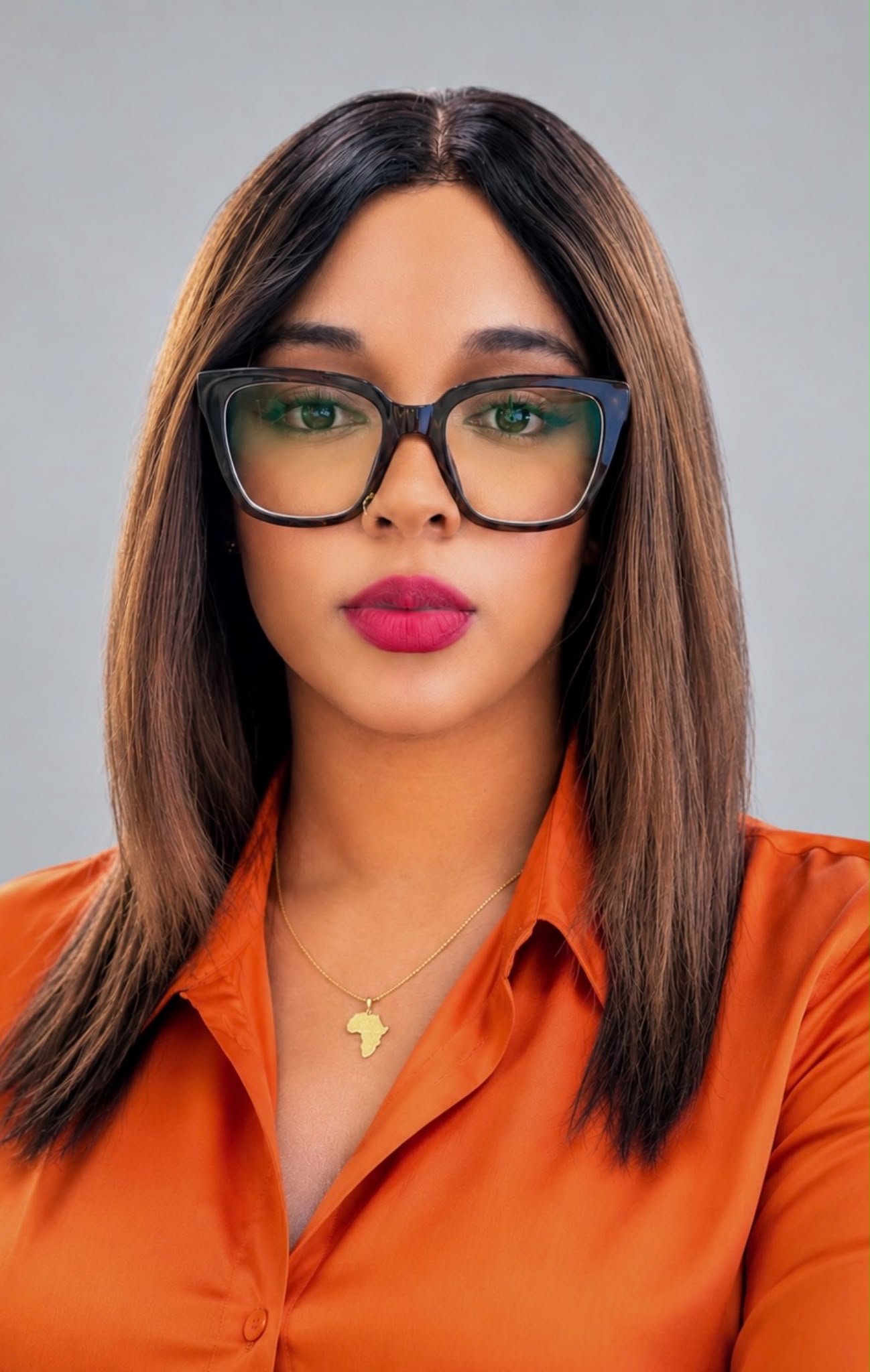
Dr. Mimi Fatou Ceesay
Journalist / Psychologist
Marriage and Family Therapist
References:
United Nations Educational, Scientific and Cultural Organization. (2026). Gender equality and education: From access to agency. UNESCO.
UN Women. (n.d.). Frequently asked questions: Types of violence against women and girls. United Nations Entity for Gender Equality and the Empowerment of Women.
World Health Organization. (2026). Violence against women prevalence estimates, 2023: WHO African Region. World Health Organization.