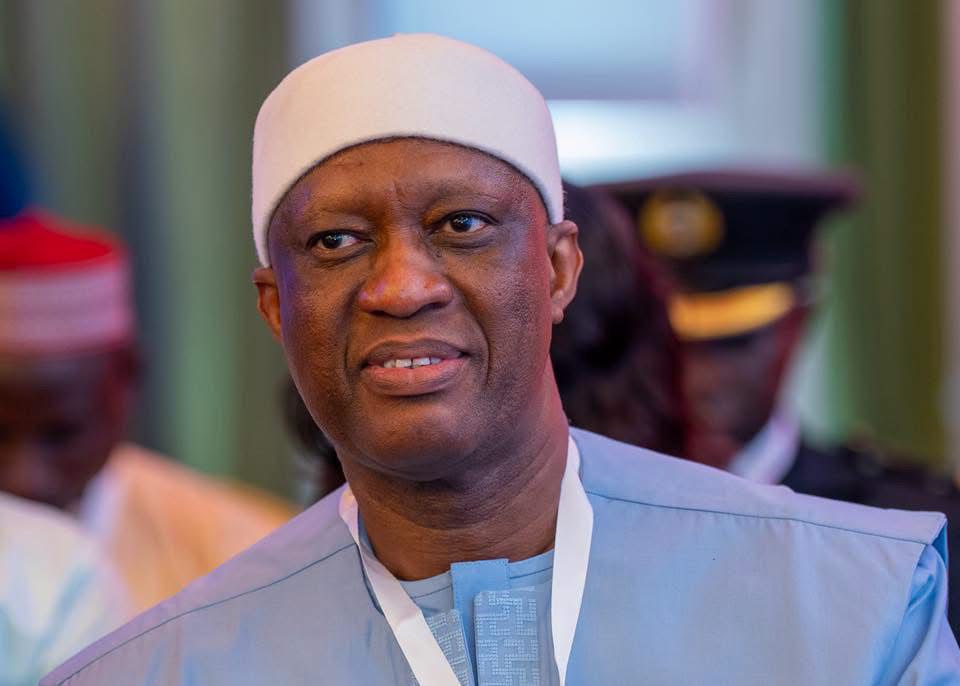
When Yankuba Darboe joined The Gambia’s Customs and Excise Department in 1988 as an administrative clerk, few could have predicted he would one day preside over one of the country’s most striking public-sector turnarounds. Born on 18 February 1965 in Salikenni, Baddibu, to philanthropist Alhaji Turo Darboe and Aja Tida Conteh, he grew up under a strict regimen of garden work and discipline after the family moved to Banjul and later Faji Kunda. That early grit, combined with a GCE O-Level from Gambia High School in 1986, launched a 35-year climb through the ranks.
Today, as Commissioner General of the Gambia Revenue Authority since 2014–2015, Darboe is credited with transforming an institution once known more for leakages than reliability into a regional model of digital tax administration.
Revenue that hovered around D4–6 billion a year before 2017 has surged past D25.3 billion in 2025, more than tripling collections and lifting the tax-to-GDP ratio from 9 percent in 2022 to 13 percent. The 2025 haul exceeded the government’s D23 billion target by 10 percent and marked a 21 percent jump from 2024. March 2026 alone set a new monthly record of more than D3 billion. The 2026 target now stands at D27–27.5 billion.
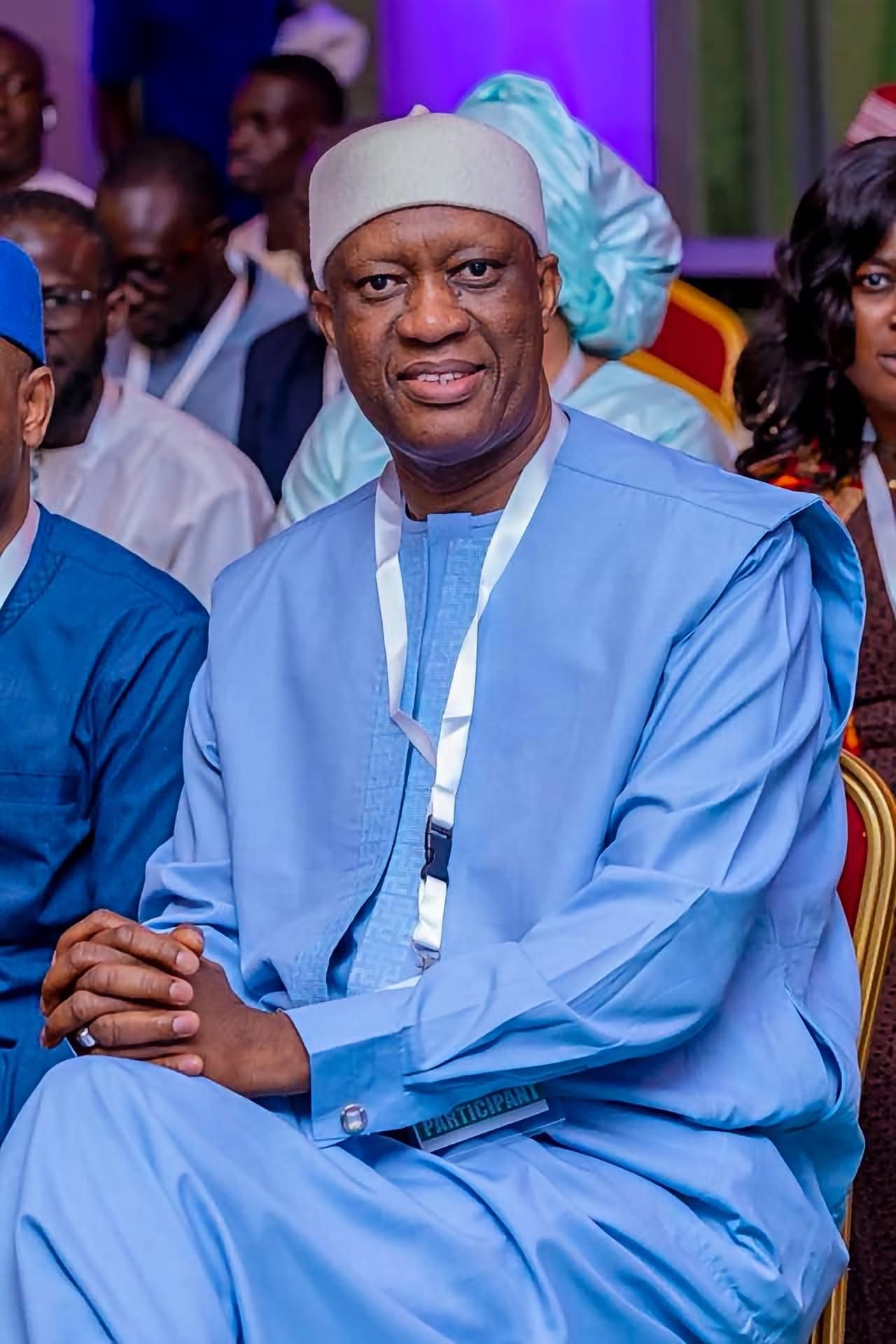
Darboe’s own education prepared him for the technical demands of the job. He earned a bachelor’s degree in Economics and International Development Studies from Saint Mary’s University in Canada in 1999 and an MBA in Finance from Webster University in the United States in 2007, supplemented by specialist courses at Duke University, the University of Connecticut, and World Customs Organization programs across Africa, Europe, Asia and the United States. He previously served as valuation manager, commissioner of Customs and Excise, and deputy commissioner general before taking the top post. He currently chairs the West African Tax Administration Forum and sits on the council of the African Tax Administration Forum.
The transformation he oversaw is fundamentally technological. Under his watch GRA rolled out ASYCUDA World in 2022, a Single Window for trade documents, electronic tracking of transit cargo, digital weighbridges at the port, fuel marking to curb diversion, digital tax stamps on excisable goods, and rental-income mapping tools. Digital stamps alone lifted collections on those products from D15 million in 2023 to D100 million in 2024.
Upcoming systems include an Integrated Tax Administration System for e-registration, e-filing, and e-payment; electronic VAT invoicing; and revenue-assurance software for telecoms. Darboe has repeatedly said the gains come from blocking leakages and expanding the base, not raising rates.
Human capital received equal attention. When he took over, the authority had few graduates. It now employs more than 200 university graduates, a dozen ACCA-qualified accountants, more than ten lawyers, IT specialists and trained auditors. New offices have opened or been upgraded in Soma, Tanji, Banjul and Kanifing, with further construction planned in Brikama and Amdallai. Staff have undergone military-style discipline training and professional courses. Darboe describes himself as a team-builder who prioritizes cohesion after earlier years of internal rivalry. A 2023 Standard Newspaper profile called him “the capacity builder”; that year the paper named him Gambian of the Year.
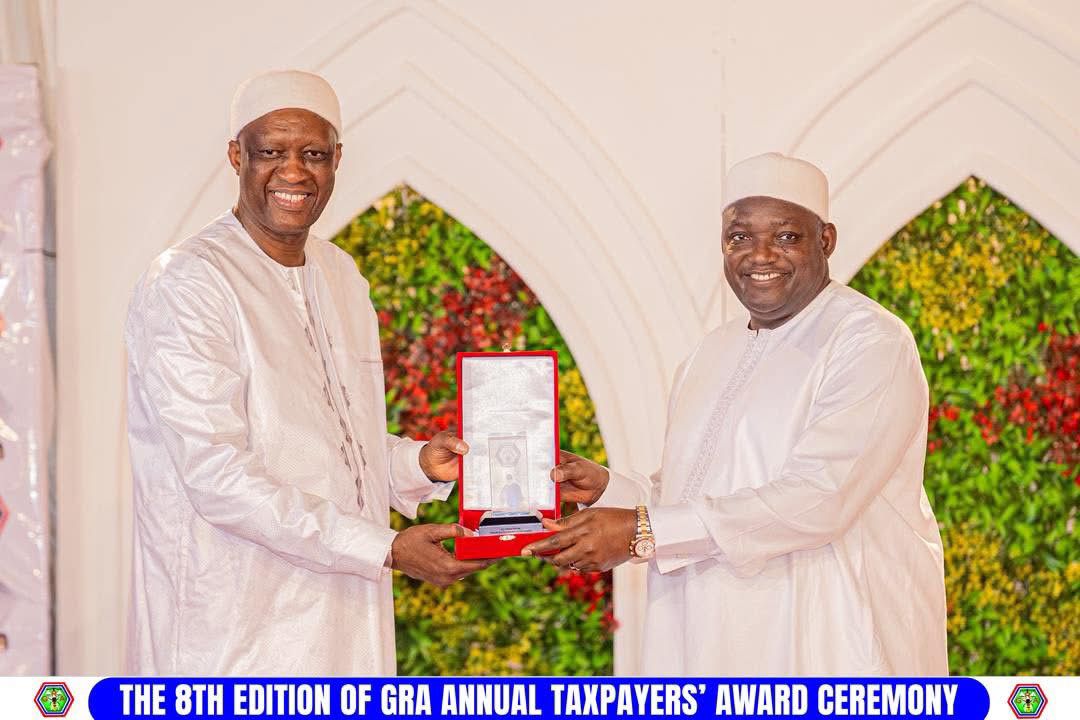
His approach has shifted GRA’s culture from heavy-handed enforcement toward service and voluntary compliance. The authority issued an updated Taxpayer Charter, runs town-hall meetings, media campaigns and taxpayer awards, and treats audits as improvement tools rather than punishment.
Finance Minister Seedy Keita visited GRA headquarters in January 2026 to praise the 2025 performance and describe the institution as one of “global renown.” Darboe himself stresses that political will from the presidency and Ministry of Finance made the reforms possible. “To get to this level, you must have political will,” he has said.
Challenges remain. Completing the digital overhaul, widening compliance among informal operators, and maintaining public trust while collecting ever-higher sums require constant pressure. Darboe frames the work in continental terms: Africa must finance its own development through strong domestic institutions rather than aid. In speeches across the region, he argues that technology is the catalyst but leadership and accountability sustain reform.
From a clerk packing audit files in the late 1980s to the official who has overseen collections rise from D2.8 billion when GRA was created in 2006 to more than D25 billion two decades later, Yankuba Darboe has turned revenue mobilization into a visible engine of Gambian public finance. The numbers are now the story: schools, roads, health facilities and security all draw more directly on taxes that once leaked away. Whether the next phase of ITAS and e-invoicing can lock in those gains will test the institution he rebuilt. For now, the record stands as one of the most consequential administrative overhauls in The Gambia’s recent history.