By: Fatou Dahaba
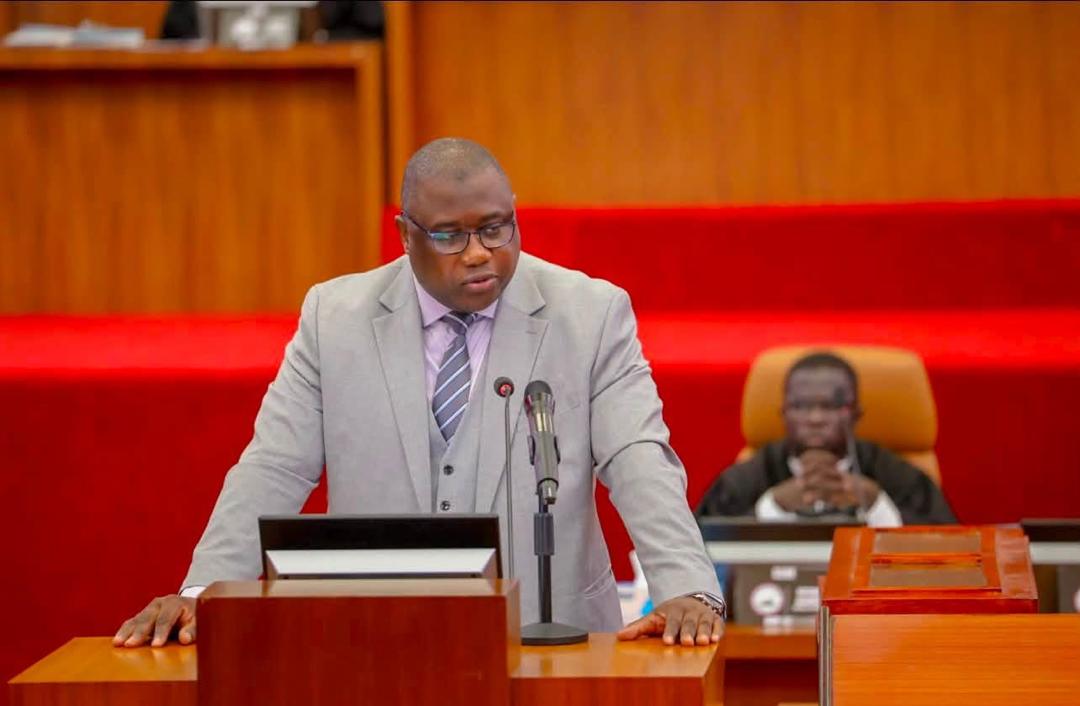
The Gambia has removed the death penalty from its criminal statutes, yet capital punishment remains written into the 1997 Constitution, meaning complete abolition still depends on future parliamentary action, Attorney General and Minister of Justice Dawda A. Jallow told the National Assembly on Wednesday.
Answering oral questions from lawmakers, Jallow said courts can no longer impose death sentences under domestic criminal law because the punishment has been taken out of the Criminal Code and is not listed in the Criminal Penalties Act.
“The death penalty has been repealed from the Criminal Code. Repealed from the Criminal Code means courts cannot impose death sentences,” Jallow said. “It is not provided for as a punishment under the Criminal Penalties Act. Therefore, nobody can be sentenced to death under our criminal law.”
He added that the only remaining reference is in the Constitution, and that “in practice, that provision cannot be applied to subject any person to the death penalty.”
The clarification followed a question from Hon. Abdoulie Ceesay, member for Old Yundum, who asked whether the government was considering full and final abolition. Ceesay noted that while the death penalty has remained on the statute books, successive administrations have taken different positions on its use. Abolition, he said, would protect the sanctity of life, strengthen the justice system, and bolster The Gambia’s standing as a rights-respecting democracy.
Several members described capital punishment as a “big debate” and questioned whether “an eye for an eye” still fits modern Gambian society.
Jallow traced the current policy to a 2018 presidential memorandum that imposed a moratorium on executions and commuted all existing death sentences to life imprisonment. That decision, he said, brought The Gambia closer to the International Covenant on Civil and Political Rights and the African Charter on Human and Peoples’ Rights, both of which emphasize the sanctity of life and movement toward abolition.
He recalled that the 1997 Constitution originally gave the National Assembly a 10-year window to decide whether to keep or remove the death penalty. That period expired without a formal decision, leaving the issue unresolved until the Barrow administration’s 2018 policy change.
“We have no power to remove it from the constitution completely at this stage. But we have to put it on the table,” Jallow told MPs. He stressed that lawmaking is a “joint collaborative responsibility between the Executive and the National Assembly,” meaning any constitutional amendment would require broad political consensus and possibly a referendum.
Human rights groups have long pressed The Gambia to delete the death penalty from the Constitution. The National Human Rights Commission has flagged the issue in monitoring reports on implementation of Truth, Reconciliation and Reparations Commission recommendations, calling for domestic law to match international treaty obligations.
For now, Jallow said, the practical result is that no one can be sentenced to death under Gambian criminal law. Until the Constitution is amended, however, the legal framework remains incomplete.
The Ministry of Justice said it would continue stakeholder consultations on wider justice reforms, including amendments to the Evidence Act and the operationalization of the Special Prosecutor’s office, as part of the government’s transitional justice agenda.