By: Alieu Ceesay
The Public Utilities Regulatory Authority has urged regulators, police, courts, utility operators and other partners to work more closely to stop electricity theft and protect power infrastructure across The Gambia.
The appeal came at the opening of a two-day workshop on draft Electricity Anti-Theft and Infrastructure Protection Regulations. The meeting aims to tighten the legal, regulatory and institutional tools used against illegal connections, meter tampering and vandalism of transformers, cables and other equipment.
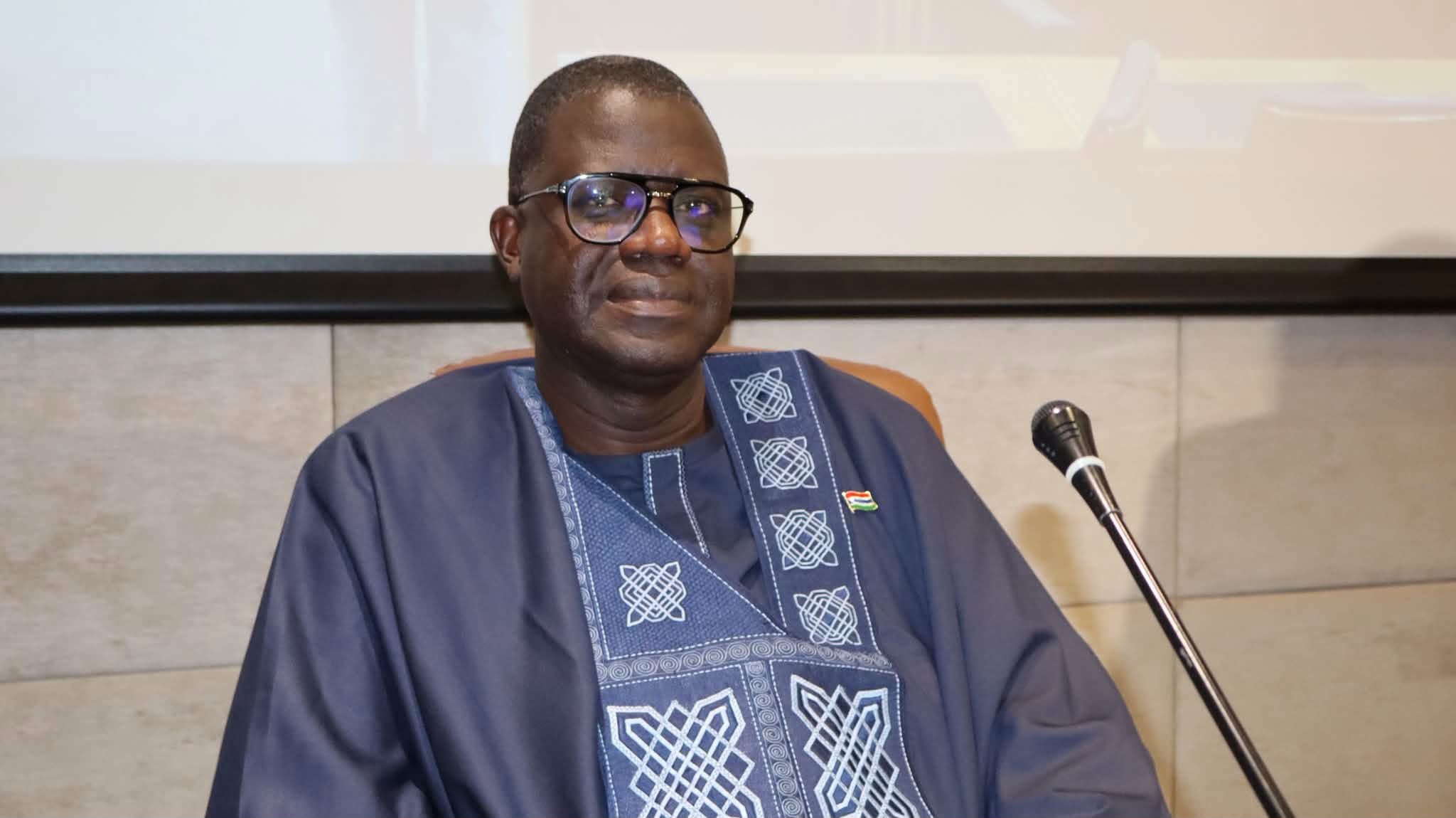
Director General Njogu L. Bah told participants that the damage goes far beyond the power company. “Electricity is fundamental to our economic and social development. It supports our homes, our businesses, our schools, our hospitals, industries and public institutions,” he said.
PURA said bypassing or tampering with meters, illegal hook-ups and attacks on infrastructure cause losses, weaken the utility’s finances and operations, and raise safety risks for the public. “When electricity is consumed but not properly accounted for, when meters are bypassed or tampered with, when illegal connections are made, or when transformers, cables and other electricity infrastructure are vandalised, there are consequences for the entire electricity system,” Bah noted.
He stressed that accountability must run both ways. The utility should be held to standards of reliability, efficiency and service quality, but the electricity it supplies and the network that delivers it must also be guarded. “Regulatory accountability must, therefore, work both ways. The utility must perform, but the electricity supplied and the infrastructure supporting that service must also be protected,” he said.
The draft rules are meant to set a clearer process for preventing, detecting, investigating and punishing electricity-related offences. Bah said the work is supported by the Government of The Gambia, the World Bank and the Central Project Coordinating Unit under the Gambia Infrastructure Project.
PURA warned that writing the regulations is only the first step. “Having a sound regulation is only the beginning. The effectiveness of any regulatory instrument ultimately depends on how well it is understood, implemented and enforced,” Bah said.
The workshop is designed to prepare the institutions that will apply the rules. Participants will review approaches used elsewhere, penalties and enforcement methods, how agencies should work together, practical tools, and case studies of meter tampering, illegal connections and vandalism.
Officials also want clearer lines between regulatory action and criminal investigation. “We need clarity on when the utility acts, when a matter should be referred to law enforcement, how evidence should be handled, and how the relevant institutions coordinate throughout the process,” Bah said.
No single body can solve the problem, PURA argued. Success will require cooperation among the regulator, the utility, the relevant ministry, police, courts, consumer bodies, local authorities, civil society and ordinary consumers.
By the end of the two days, organizers expect participants to share a common reading of the draft regulations, clearer roles, stronger coordination arrangements and greater readiness to put the new framework into practice.